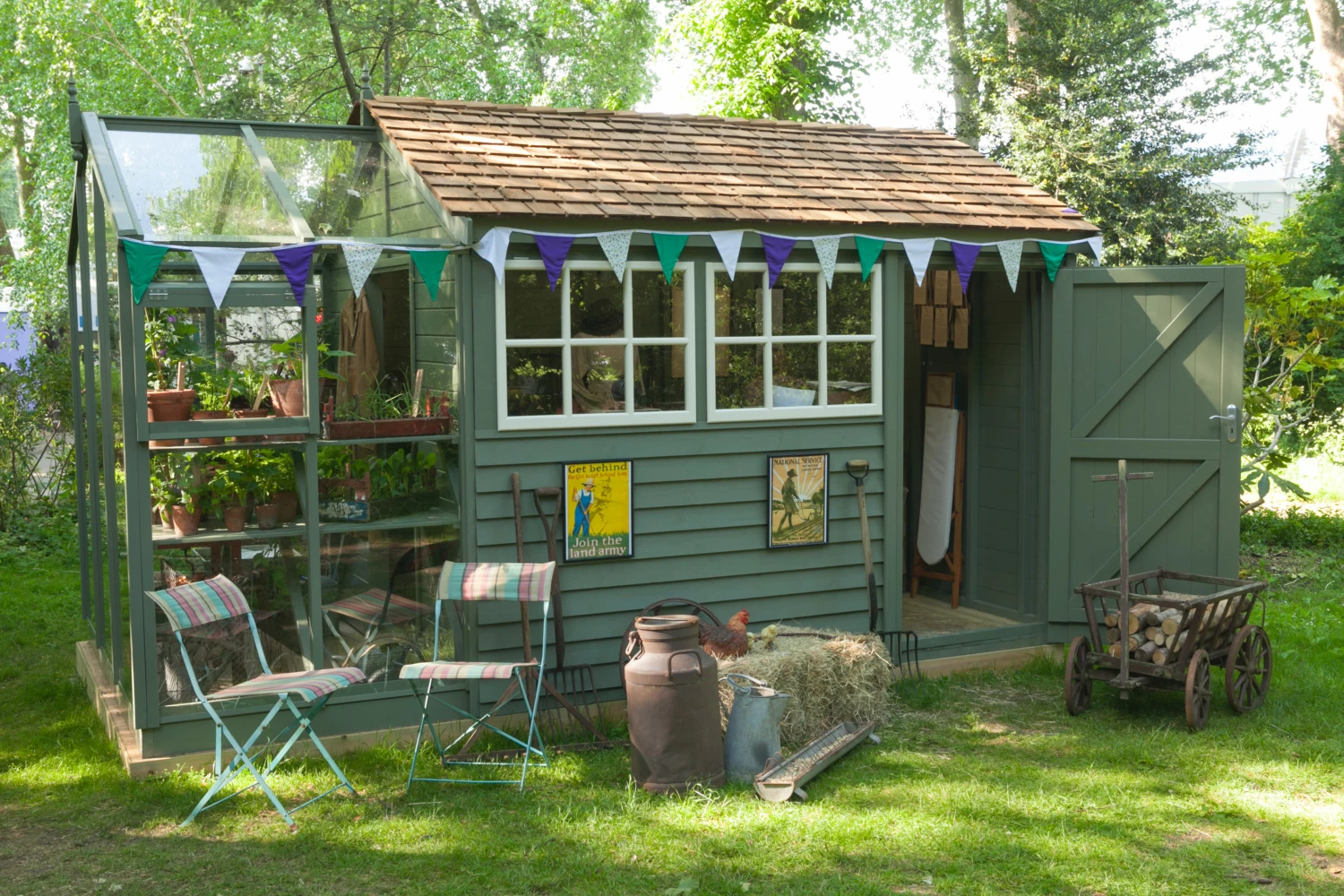
Over the past year three million of us have taken up gardening. This new influx of gardener is younger and hungrier for information. Gardens are now THE place to unwind, enjoy with the family and grow food.
Maybe it was the empty shop shelves and the desperate need to regain control of our lives that led to a run on seeds and had us all reaching for our garden forks. It certainly isn’t the first time the nation has attempted to grow its way out of a crisis.
In 1939 the Ministry of Agriculture urged people to “Dig for Victory”. At one point during World War II, 40% of the country’s vegetables came from home, school and community gardens.
These vegetable plots and patches became affectionately known as “victory gardens”. Not only did tending these gardens help keep the population fed, but they also boasted morale and relieved anxiety in a time of great uncertainty.
victory garden (vik-tuh-ree gahr-dn) noun – a vegetable garden, especially a home garden, cultivated to increase food production during a war or period of shortages.
Sound familiar? Food security continues to be a concern. A conscious effort to avoid trips to the supermarket, food price hikes, Brexit and a desire to be healthier and more self-sufficient, make planting a victory garden just as relevant today.

How to Grow Your Own Victory Garden
If you gave vegetable growing a go last spring, you will already have had a taste of the patience and focus needed. All the waiting and weeding will be rewarded with delicious seasonal feasts. You will also be helping to reverse climate change by restoring the soil’s health and increasing biodiversity.
Growing for The Greater Good
Banding together as a community comes with the territory when you grow a victory garden.
When you have a garden full of bounty you, your family or your friends cannot possibly eat, it’s your duty to share with neighbours.
Harvesting seeds and passing them on also costs nothing but helps feed the community at large. Why not organise a seed swap locally? The Eden Project is a great resource to get you started.
The Bristol Seed Swap has been promoting the circular economy of seed saving for years. A few days after the first lockdown began, they advertised leftover seed packets from a previous event, which the public could request free of charge by sending a self-addressed stamped envelope. They were inundated with requests.
Grow your own can quickly become growing for the masses as was the case in the village of Todmorden. If you are still in any doubt how incredible growing edibles can be watch this impassioned TED talk by Pam Warhurst.
Once you’ve decided which veggies you’re going to take a stab at, consider investing in a greenhouse to help the process along.
We have a wide range of greenhouses available, and a handy Greenhouse Buyer’s Guide to help you make the decision on which brand, size and shape will be best.