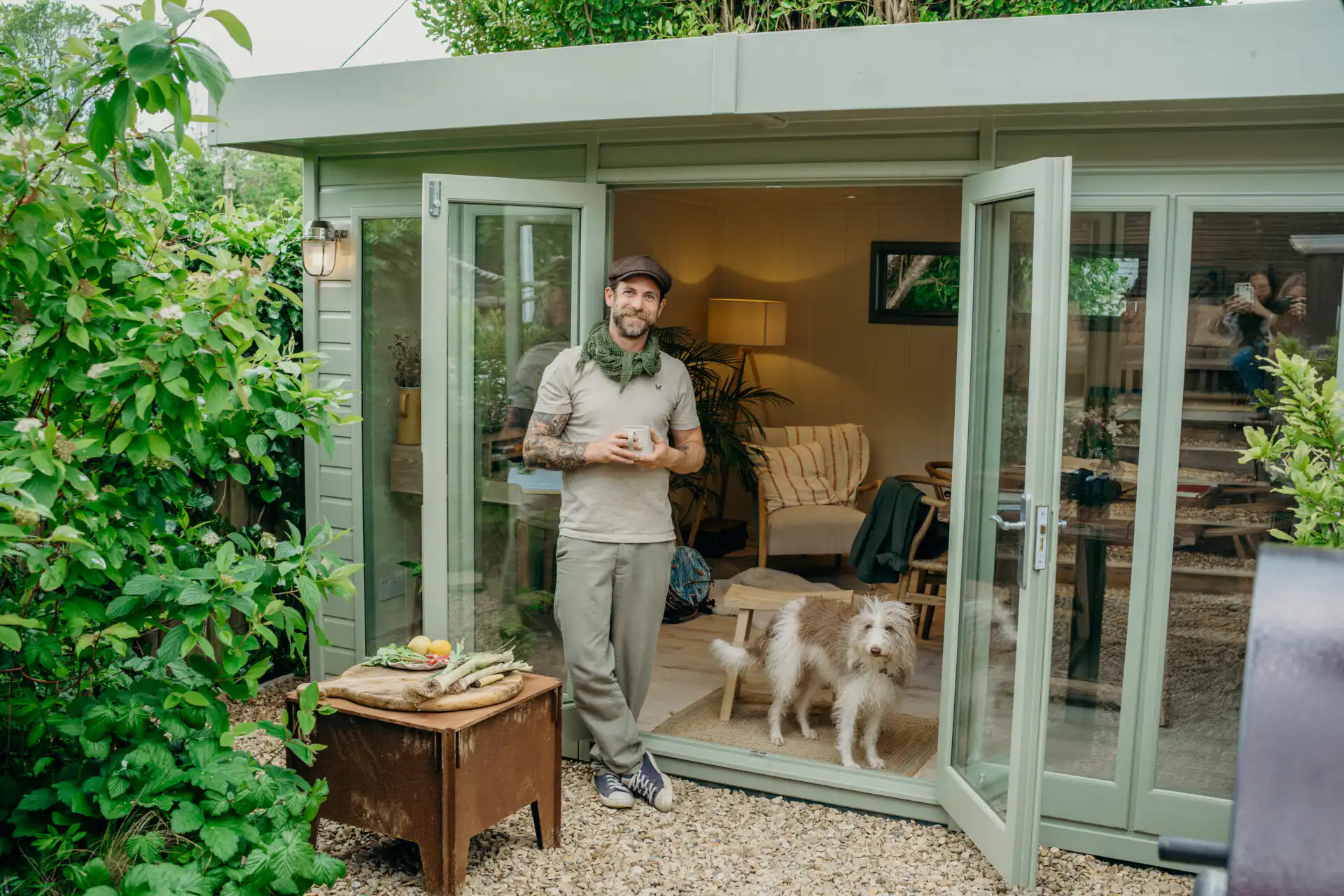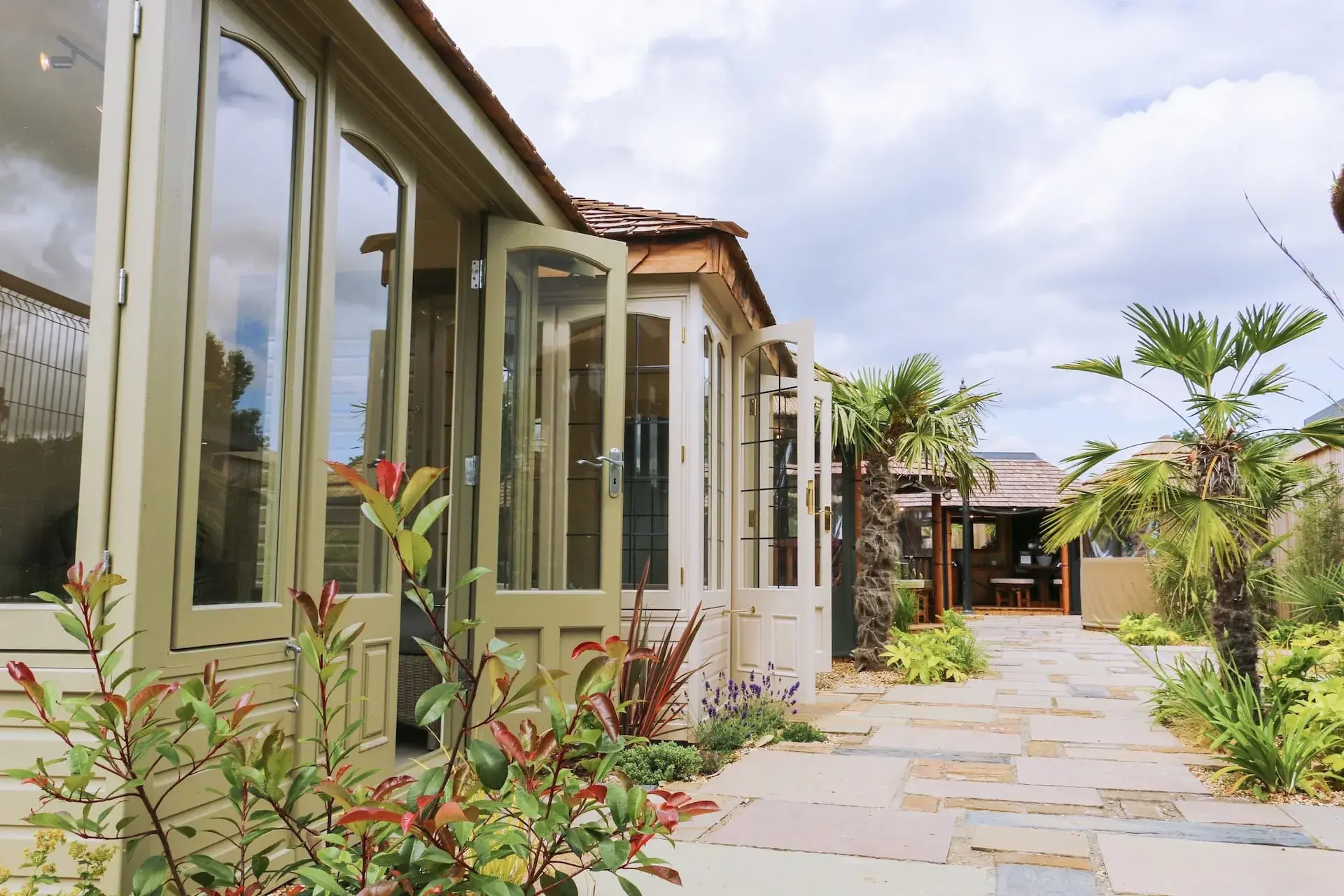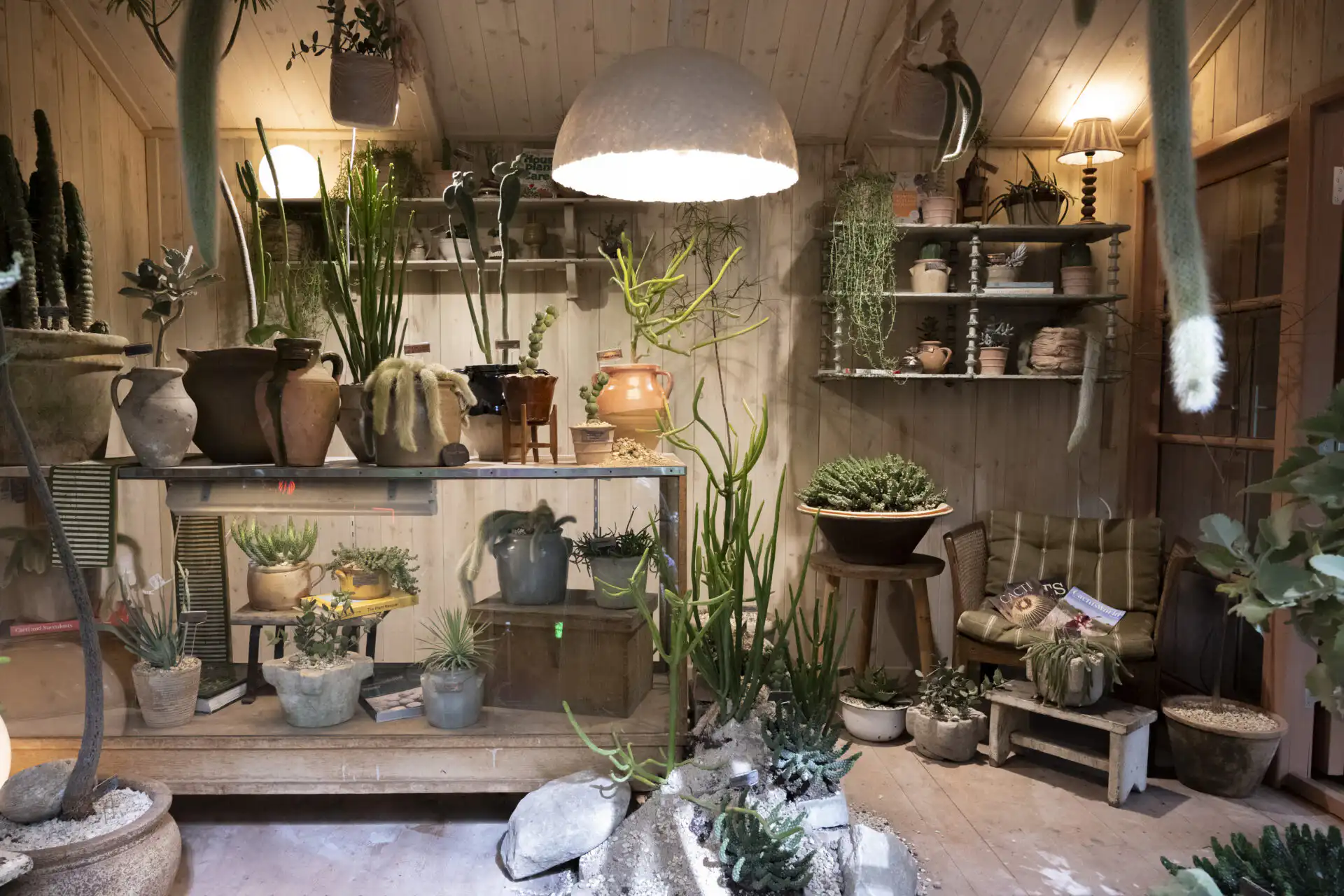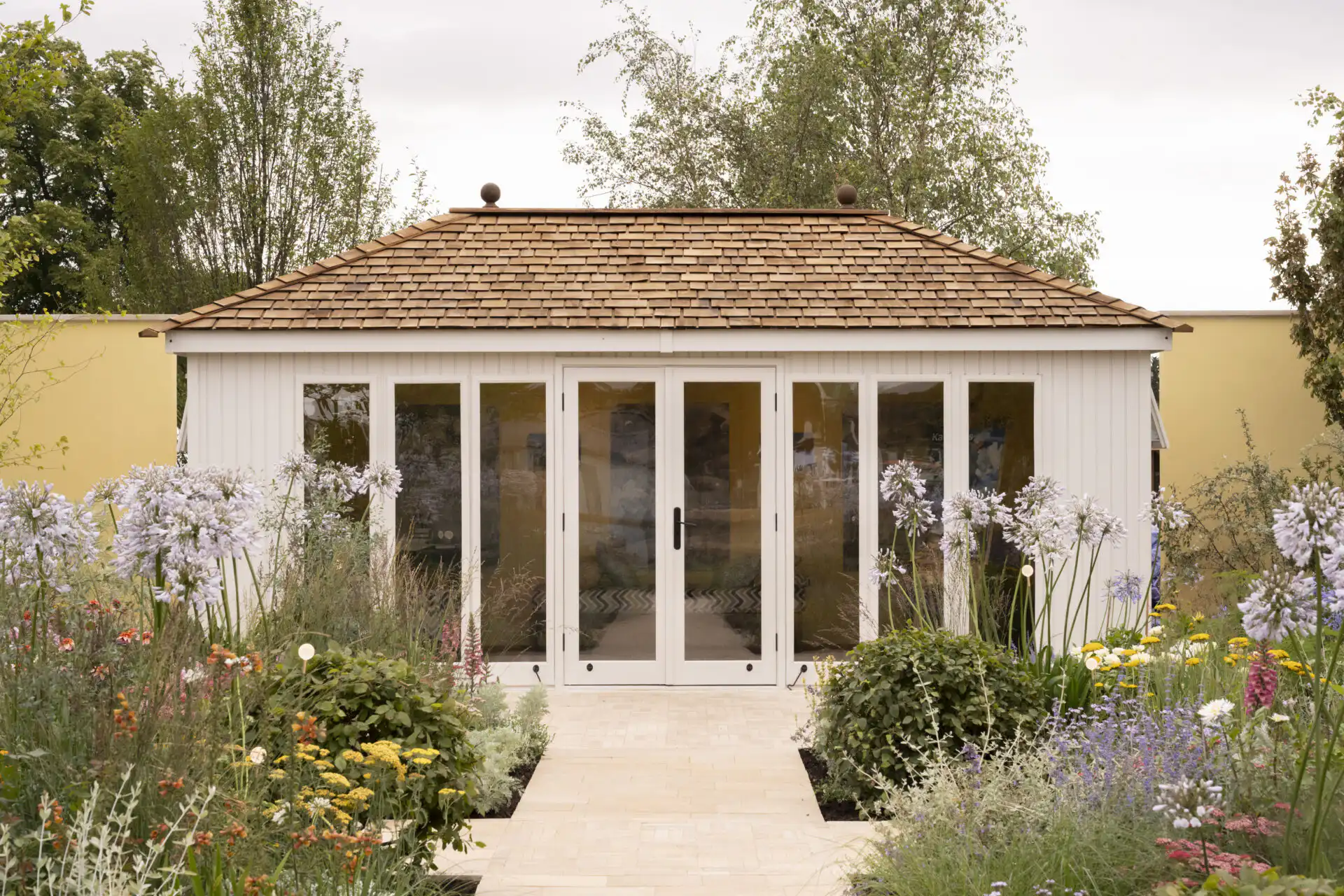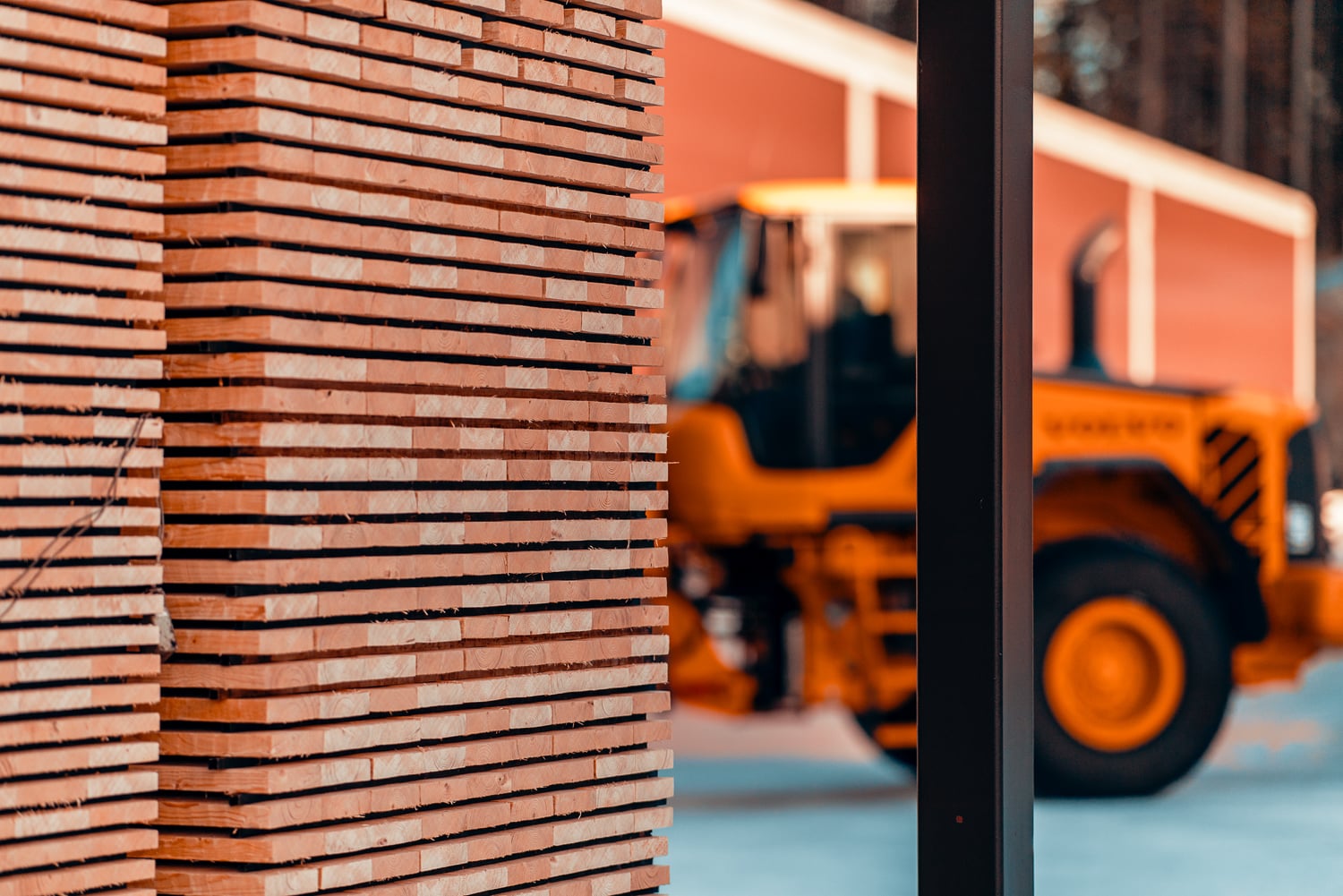
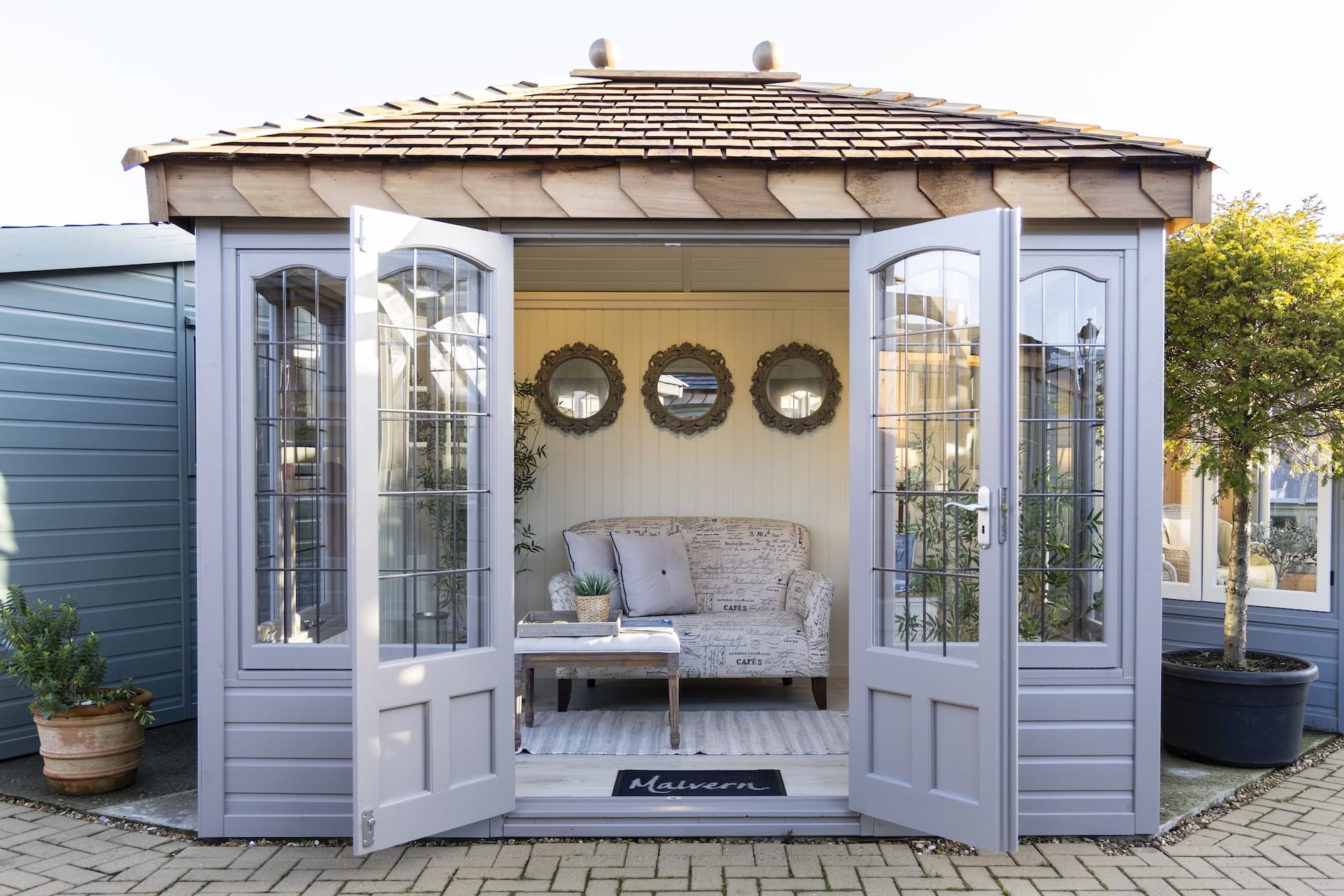
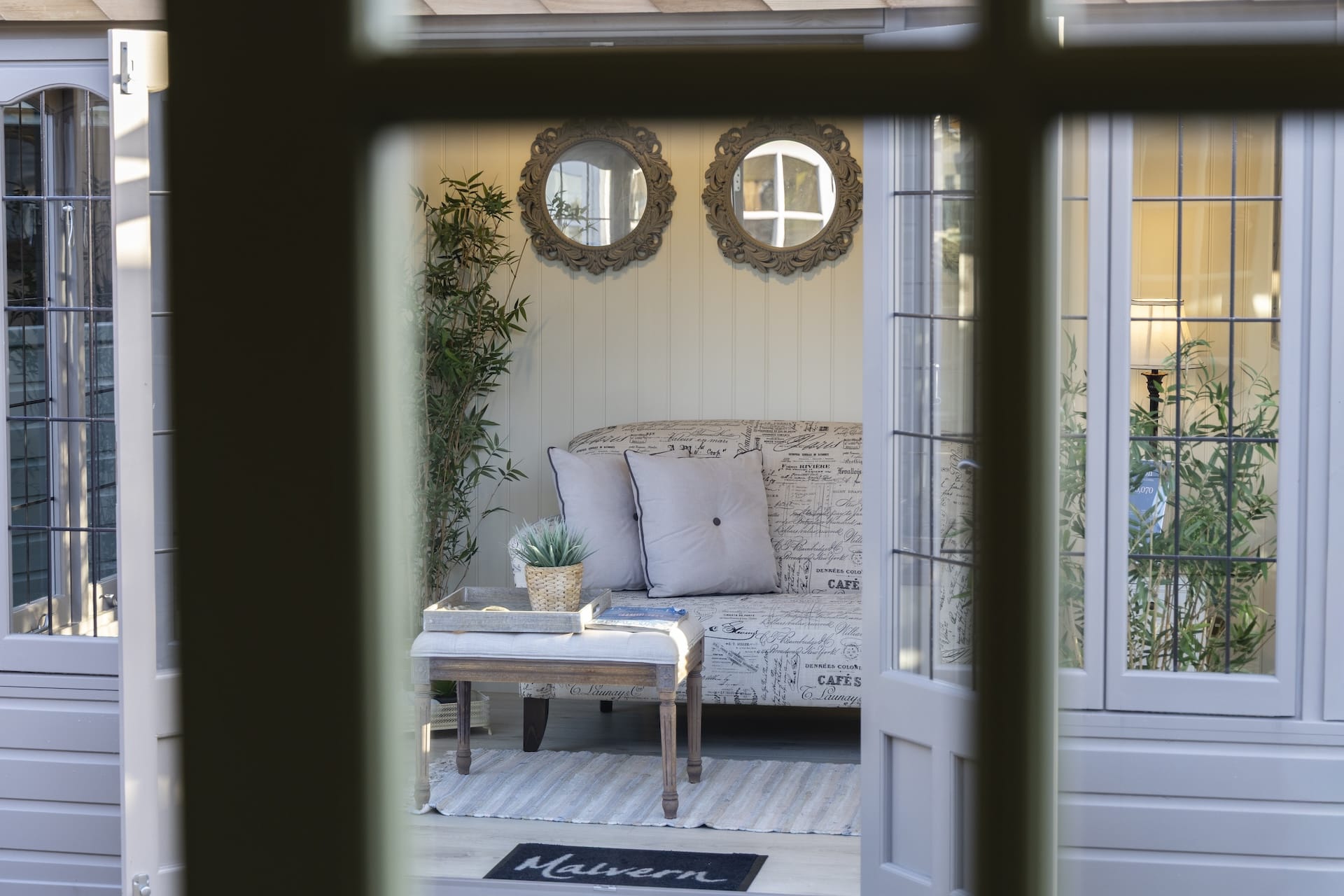
When winter really starts to bite, there’s nothing better than stepping into a garden building that feels warm, snug, and instantly welcoming. Staying cosy in your space can boost your motivation when working remotely, spark creativity while crafting a handmade Christmas, or simply give you a peaceful escape from the festive chaos.
Lock in the warmth with Thermowood
Thermowood has excellent thermal insulating properties. This heat-treated timber locks in warmth while withstanding the cold, damp winter weather. Used as a cladding material for garden buildings, Thermowood is not only durable and beautiful but also comfortably warm even during the chilliest months.
So, here’s everything you need to know about Thermowood:
What is Thermowood?
Originally developed in Finland (where cold winters are very much a way of life) Thermowood is made using a specialist heat and steam process that enhances the natural properties of wood. Carefully controlled heat that transforms the timber from the inside out. The result is a material that looks beautiful, lasts longer, and performs brilliantly outdoors, especially when it comes to keeping warmth in.
How is Thermowood made?
Our Thermowood supplier is a proud member of the Finnish Thermowood Association and a family-owned pioneer in this specialist process. Using slow-grown Nordic timber (known for its straight grain and tight growth rings) the wood undergoes a carefully controlled three-stage treatment.
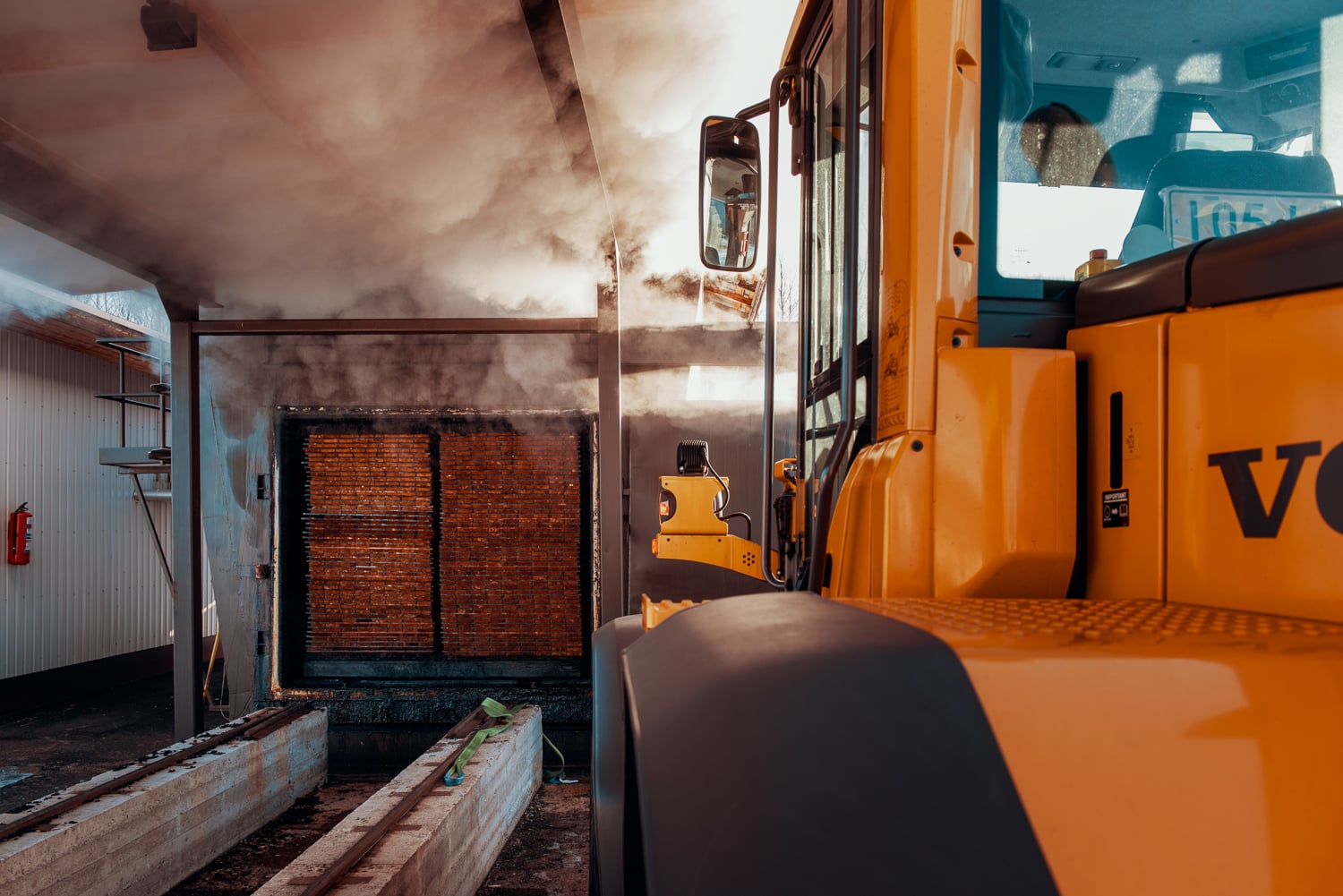
Drying the timber
Heat treatment
Cooling and conditioning
This low moisture content is key to Thermowood’s excellent insulation and resistance to cold, damp conditions.
Why Thermowood is perfect for Malvern Garden Buildings
When it comes to cladding garden buildings that are used all year round from summer evenings to winter mornings Thermowood really comes into its own.
Exceptional stability and durability
Thermowood is far more stable than untreated softwood. It’s less likely to warp, swell or shrink, even as temperatures drop and weather conditions change.
Naturally resistant to rot and insects
The heat treatment makes Thermowood highly resistant to fungal decay and the three most common wood-boring insects found in Europe.
A warm, natural appearance
Thermowood’s rich golden-brown tones feel especially at home in winter gardens. Left untreated, it will weather naturally to a soft silver-grey, much like cedar or larch, giving your garden building a timeless look.
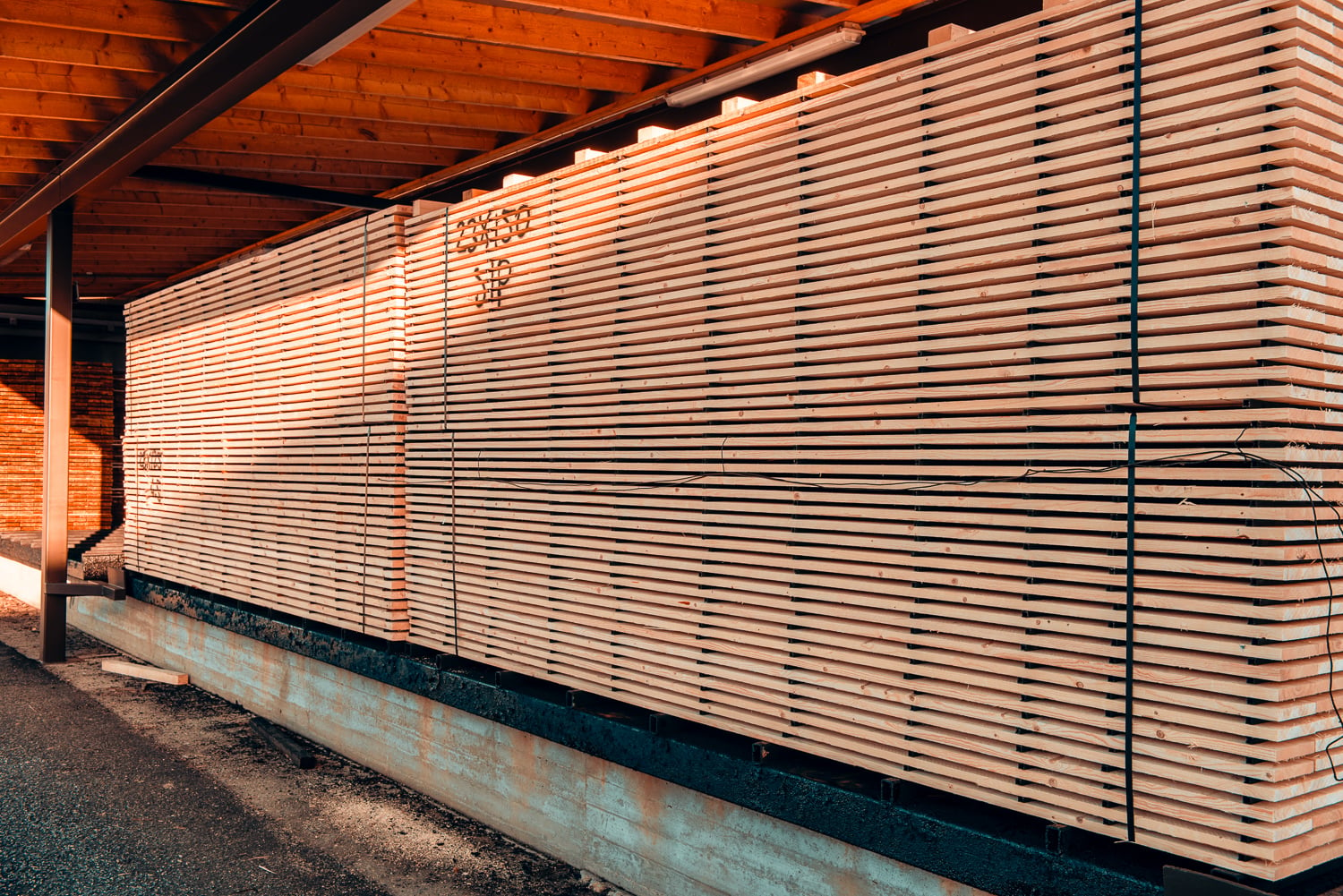
Improved thermal performance
Its thermal conductivity is around 20–25% lower than standard kiln-dried softwood, meaning it helps retain heat more effectively.
That makes a noticeable difference when you’re using your garden building as a home office, studio or cosy retreat during the colder months, especially with the heater on inside.
How to care for Thermowood
Thermowood is refreshingly low maintenance, but a little care will keep it looking its best for years to come.
- Use mild soap and water: A gentle detergent or specialist wood cleaner is all you need.
- Brush lightly: Use a soft brush or sponge, working in the direction of the grain.
- Rinse thoroughly: Remove any soap residue with clean water.
- Let it dry naturally: Always allow the surface to dry fully before applying any finish.
Why Choose Thermowood?
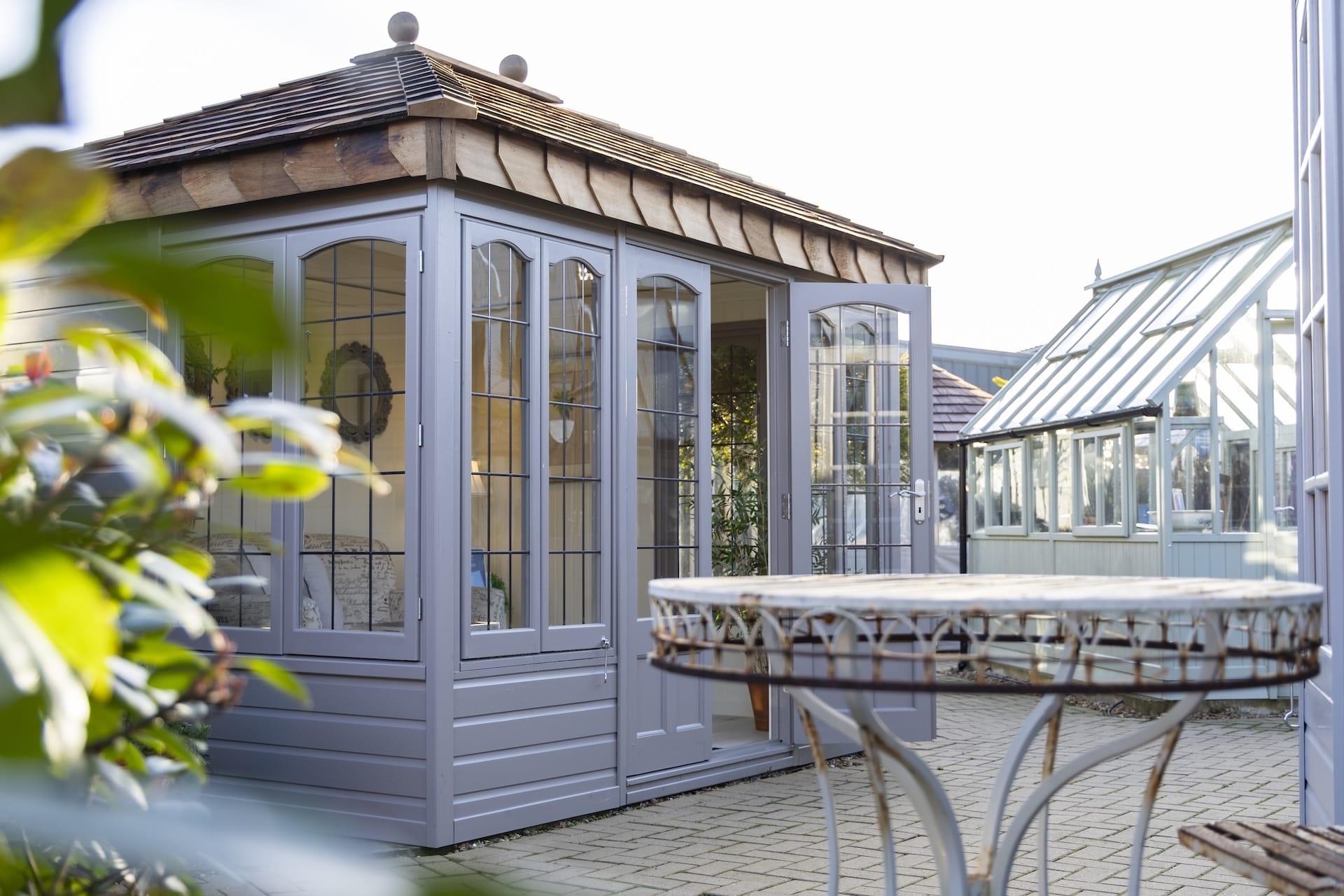
Thermowood combines modern timber technology with natural beauty and it’s particularly well-suited to winter living. With improved insulation, outstanding durability, it’s the ideal cladding choice for Malvern Garden Buildings.
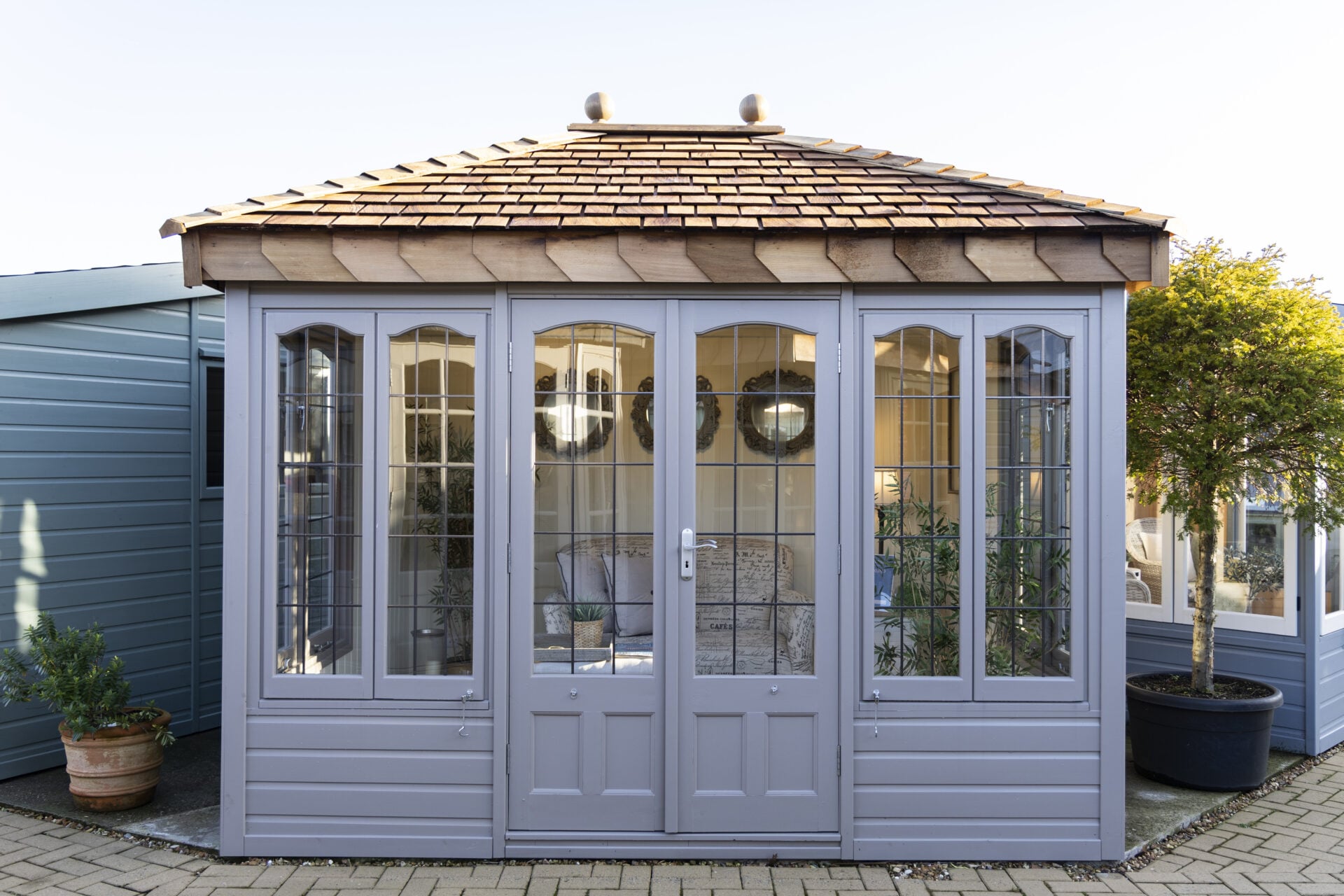
Speak to our team of garden building specialists about using Thermowood on your building (available across our range except Bewdleys).