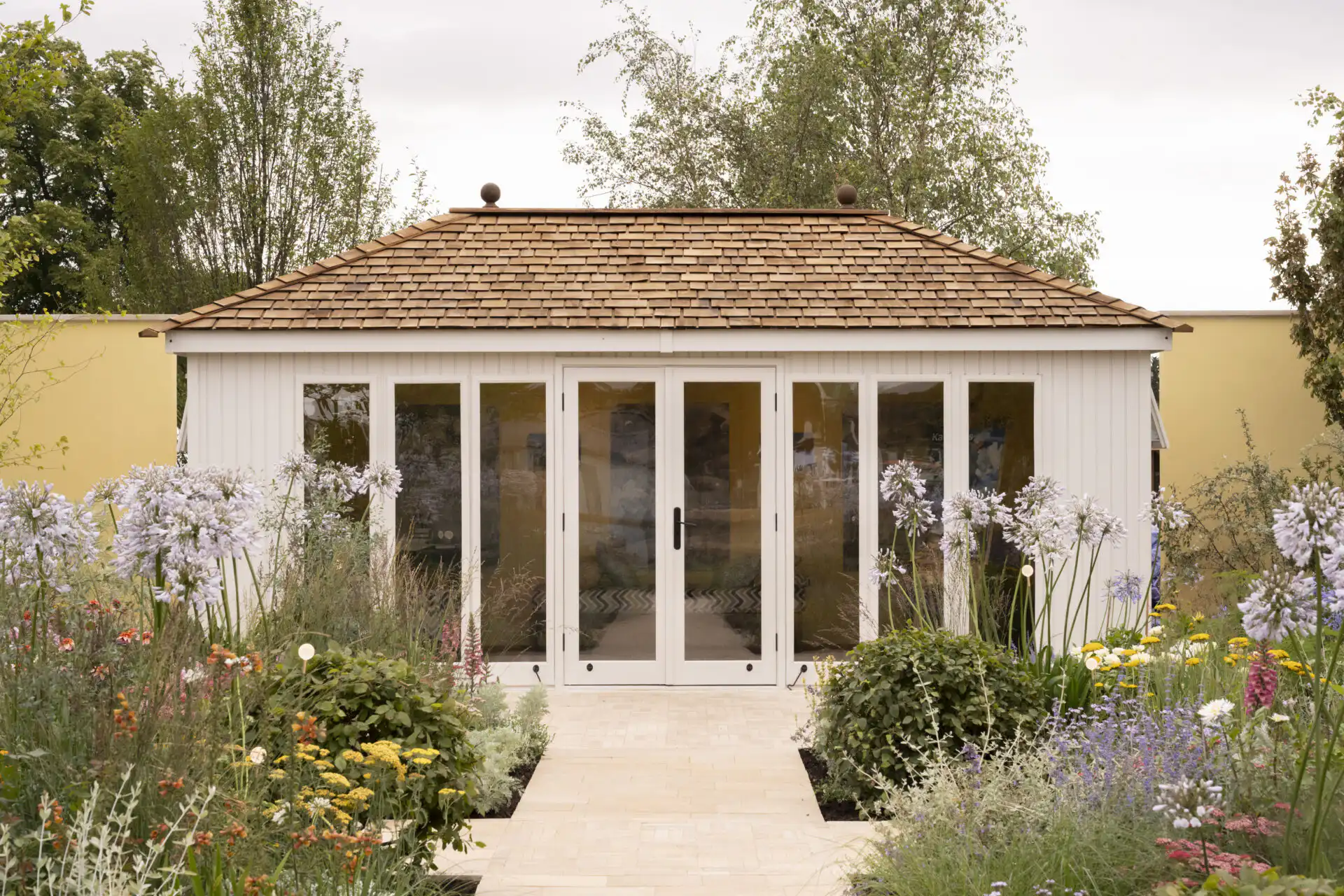
A masterpiece of a garden deserves a master-crafted garden building.
For the first-ever RHS Flower Show at the royal estate at Sandringham, we had the honour of working with the exceptionally talented garden designer, Mr Frederic Whyte, whose show garden celebrated the life and work of one of Britain’s greatest artists, Thomas Gainsborough.
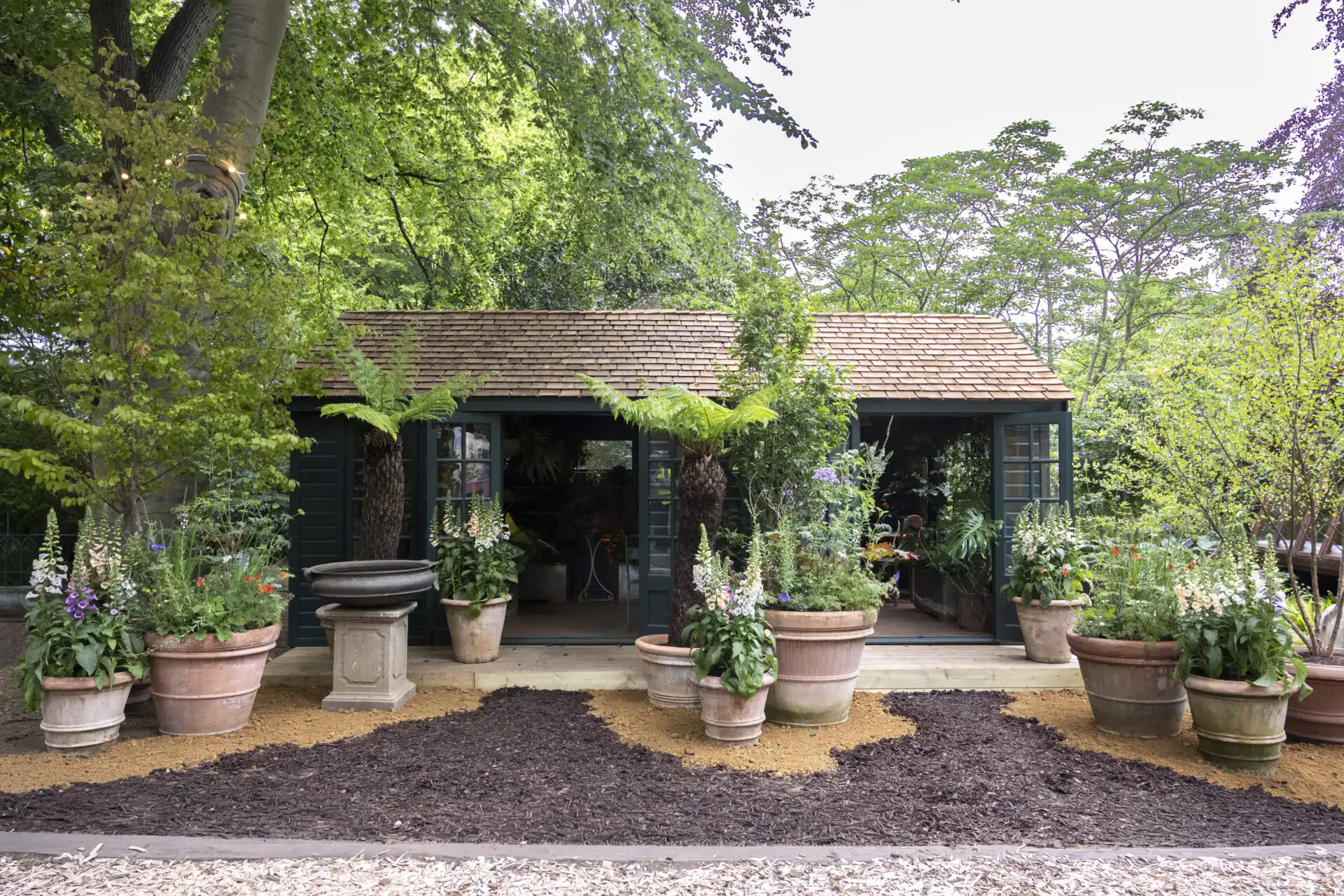
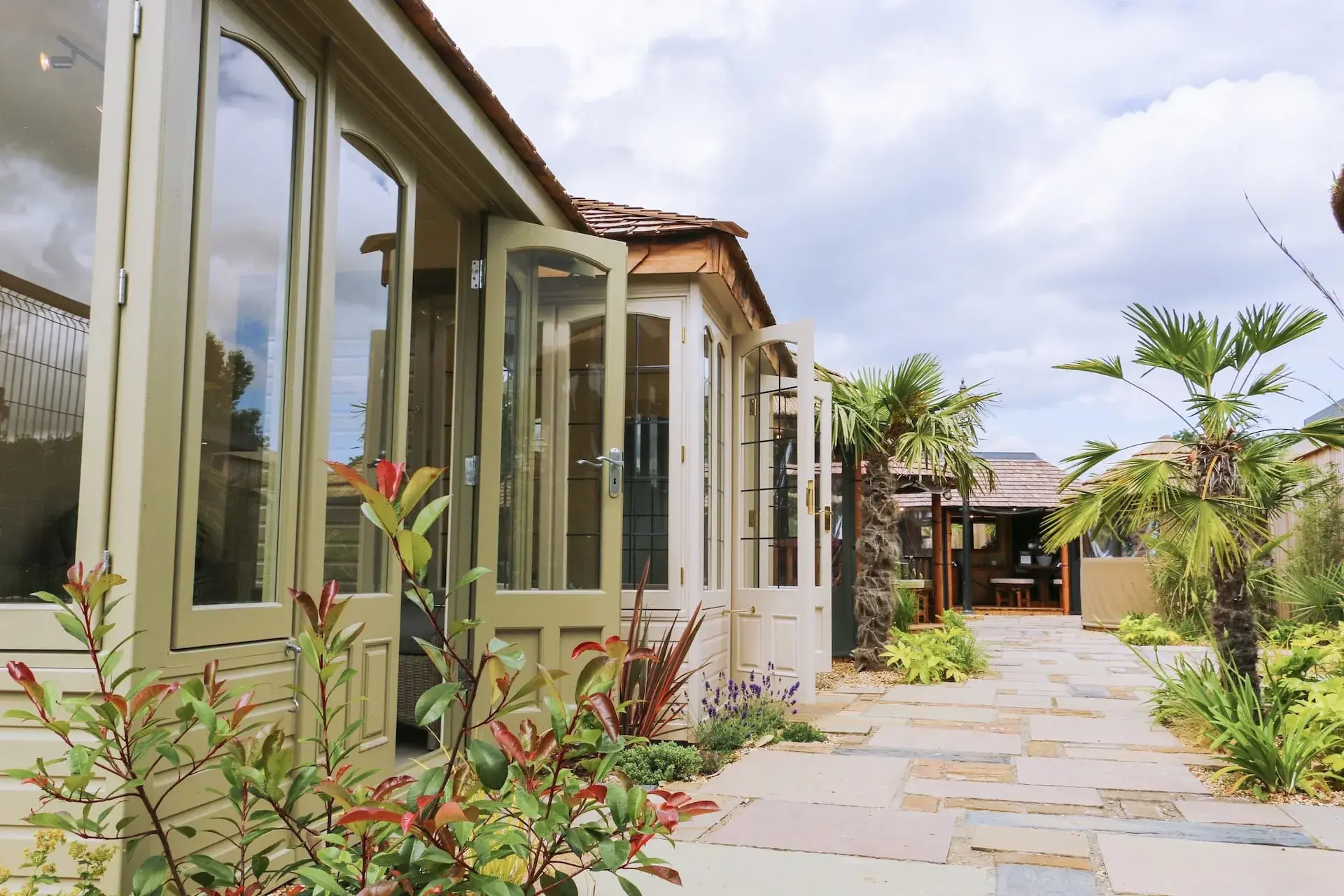
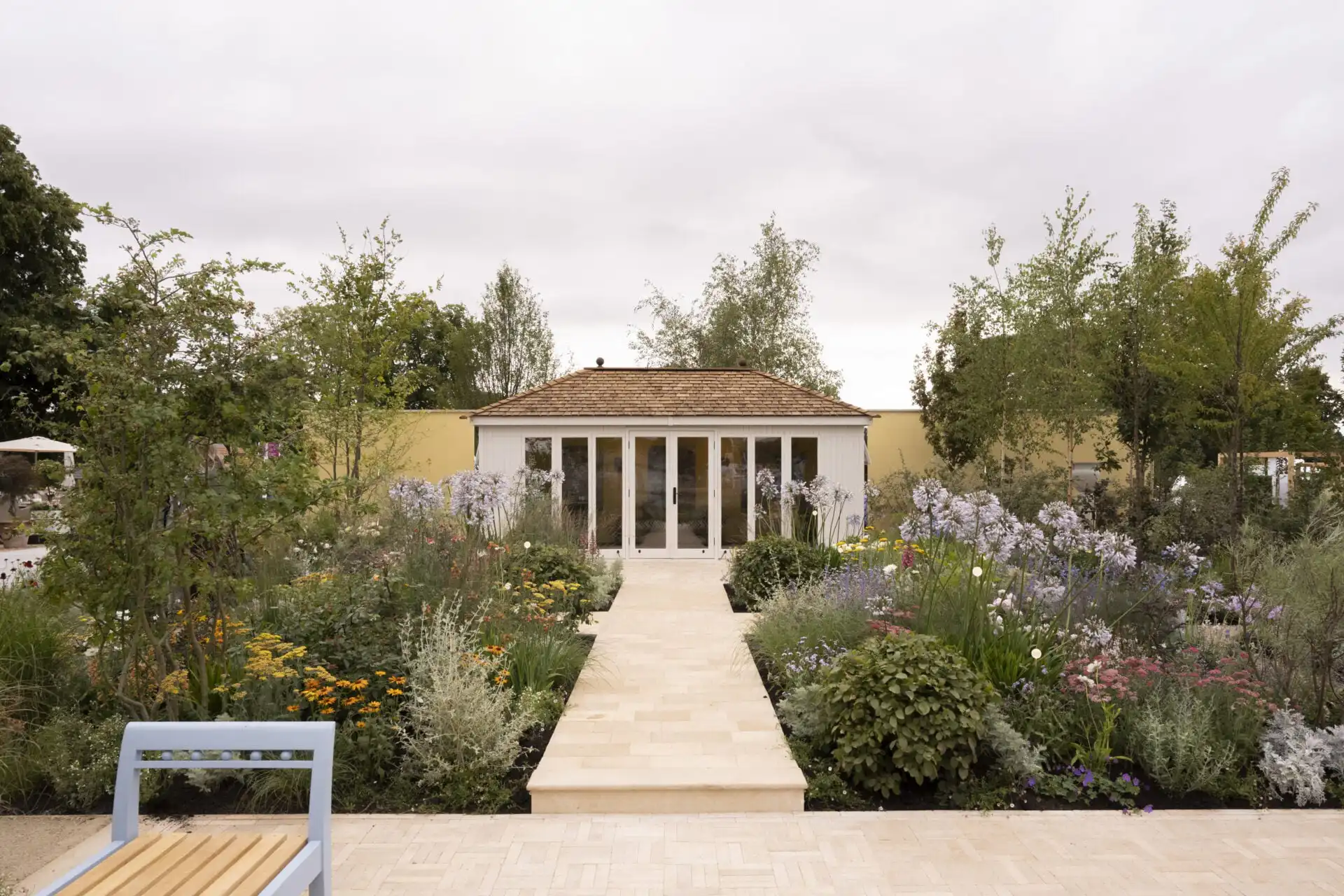
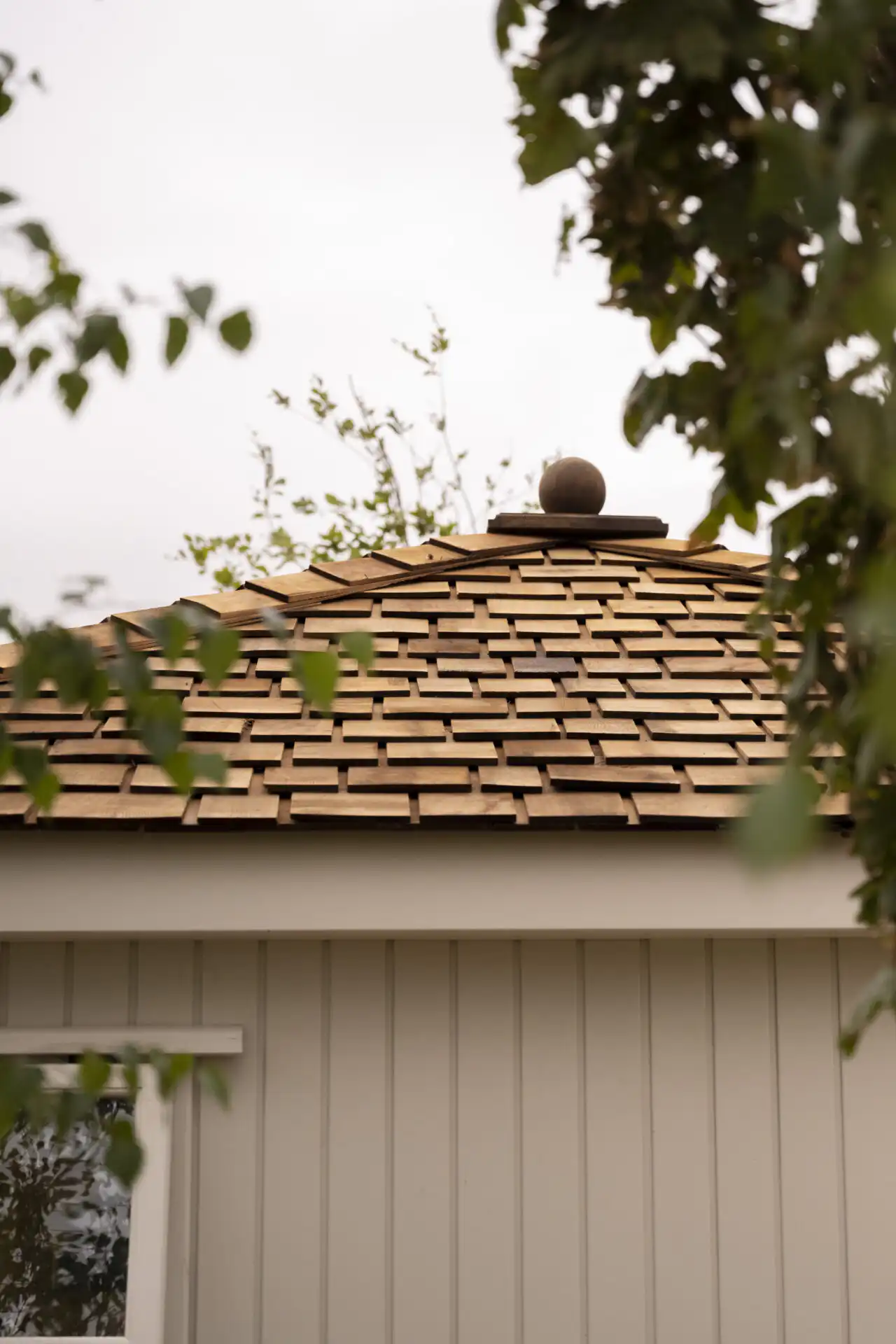
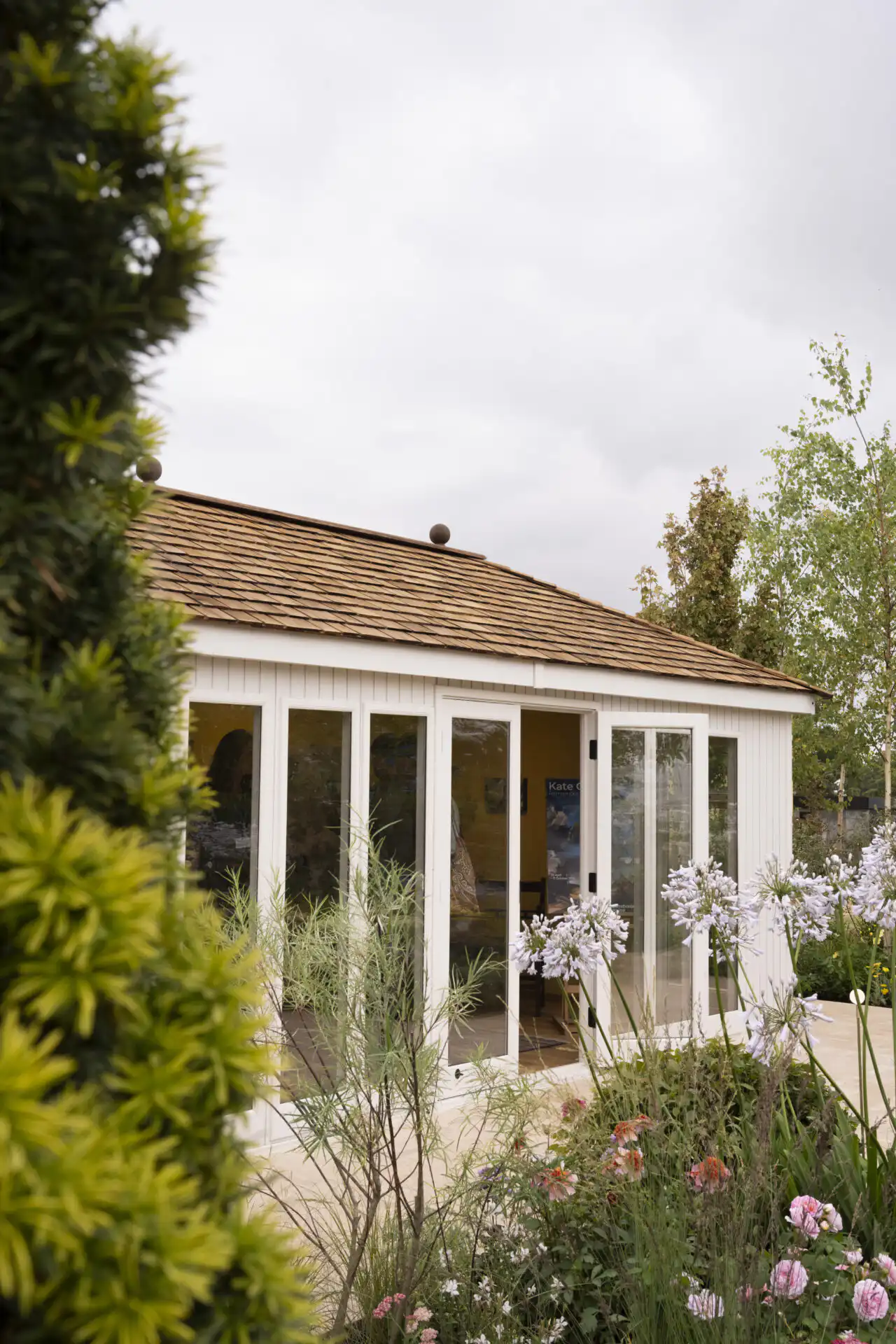
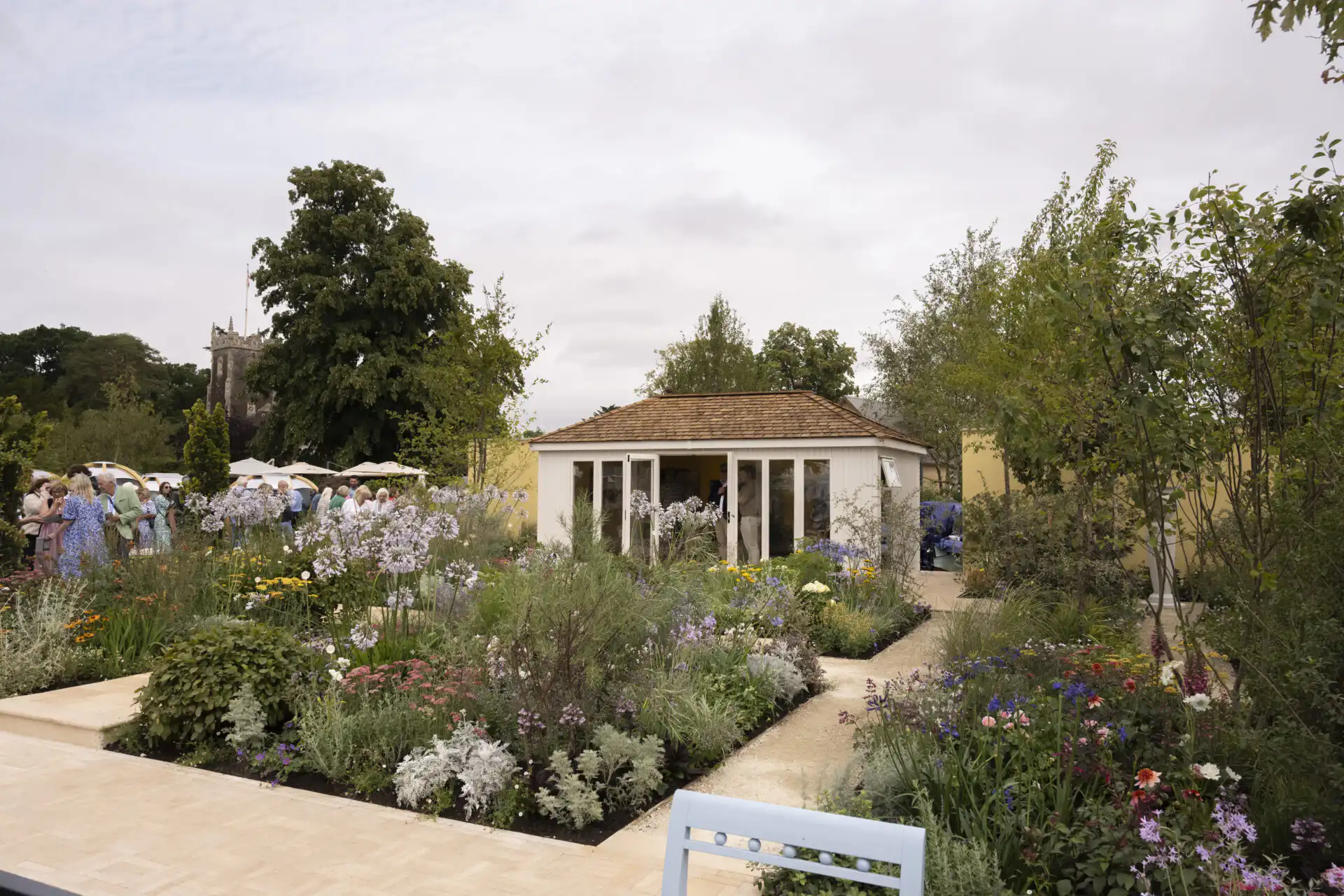
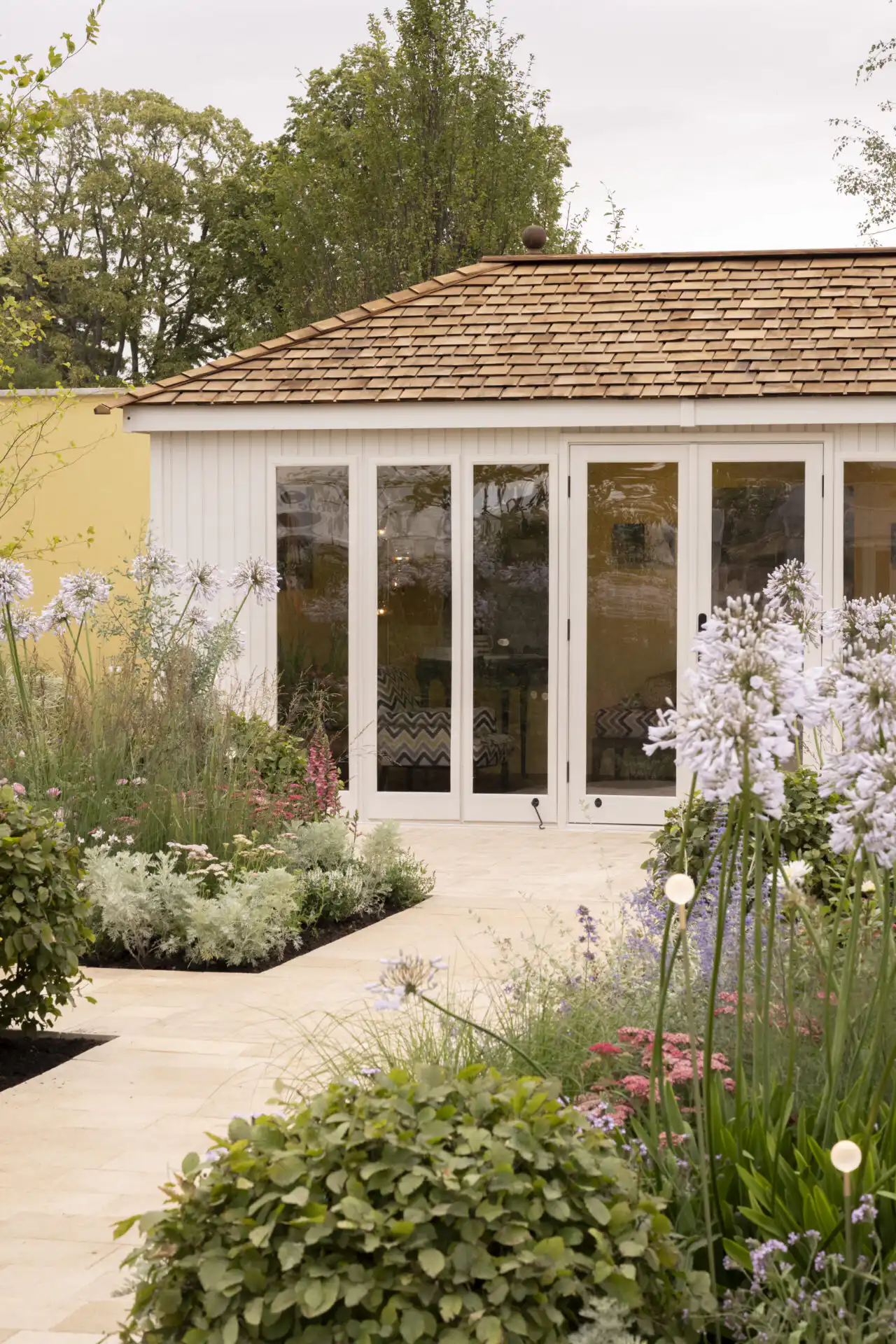
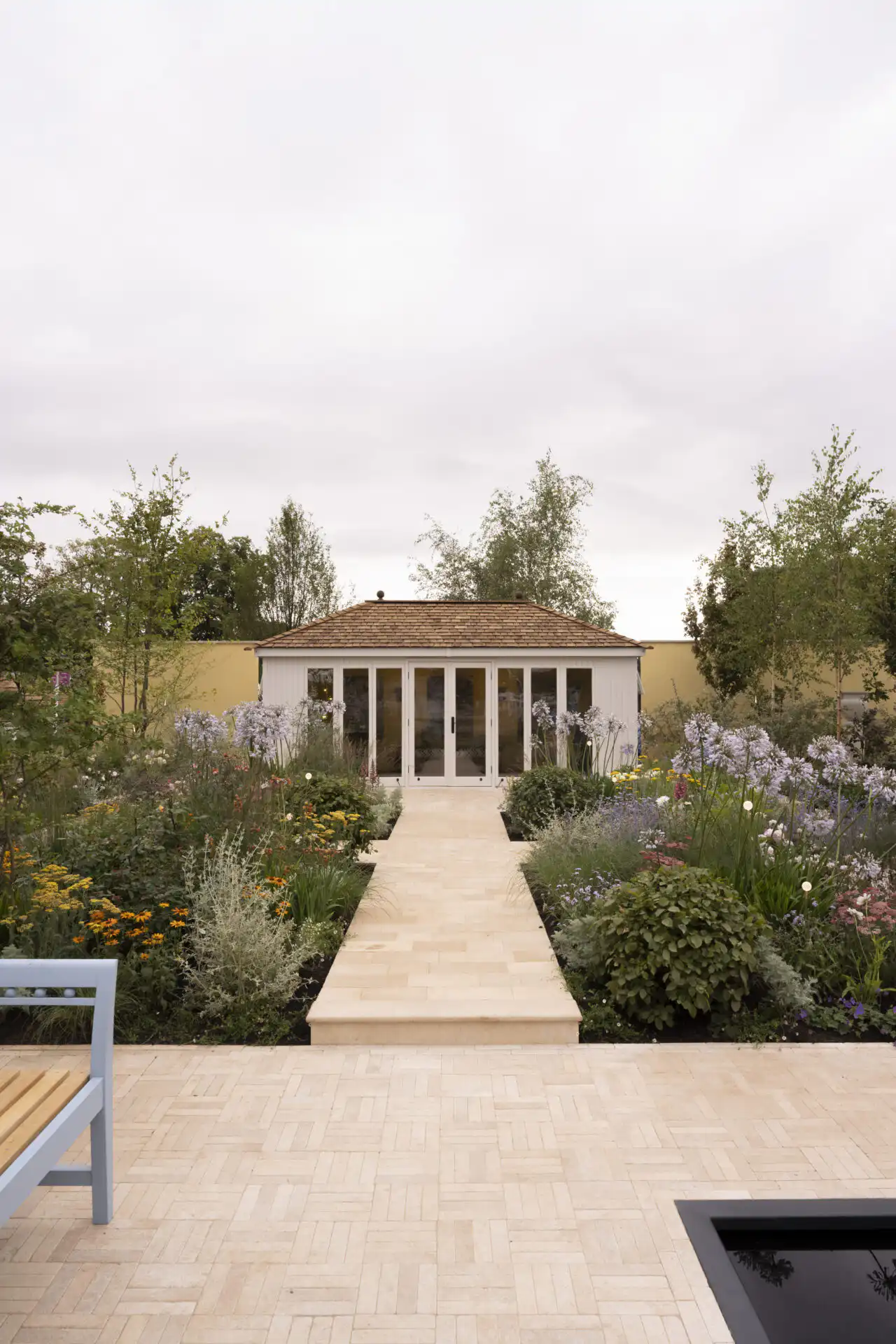
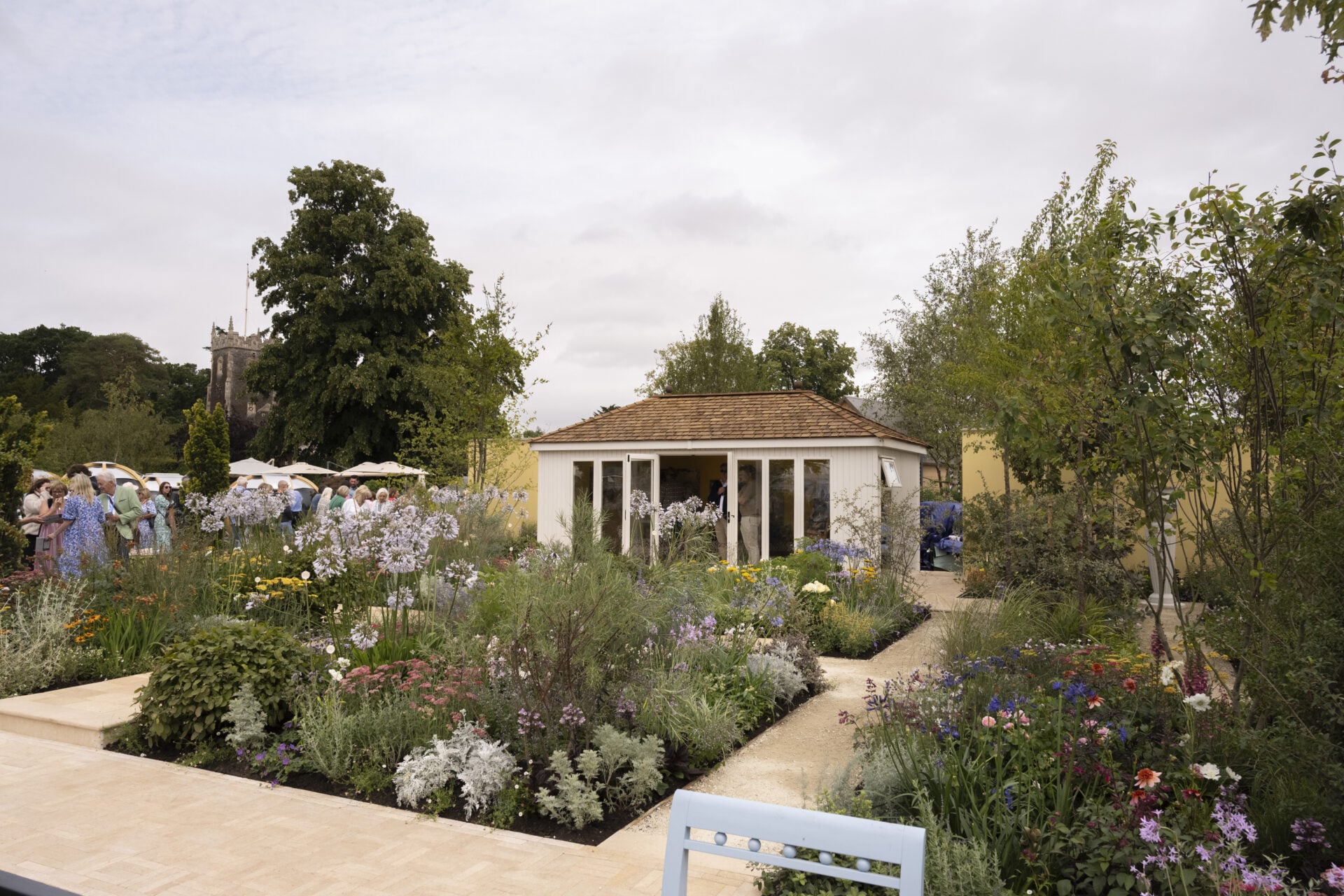
At the heart of the garden, Frederic chose a Hipped Garden Studio to create a north-facing artist’s studio. Its elegant silhouette and beautifully proportioned roof complemented the garden’s pared-back aesthetic, while its understated design allowed the planting and artistry of the scheme to take centre stage. As Frederic explained, “I love the simplicity of the design.”
A Garden Inspired by an Artist
The Thomas Gainsborough Garden had been years in the making. The project began when Frederic approached Gainsborough’s House in Sudbury with the idea of creating a garden inspired by the artist’s paintings and the historic home that now serves as a museum and gallery. With the tercentenary of Gainsborough’s birth approaching, the garden provided the perfect way to begin the celebrations.
Although Gainsborough is best known for his portraits, his enduring love of landscape is evident throughout his work. His sitters were frequently framed by romantic countryside scenes, expansive skies and carefully composed gardens. With the help of D T Landscapes, Frederic translated these artistic qualities into a living landscape, using planting, colour and structure to echo Gainsborough’s distinctive style.
Painting with Plants
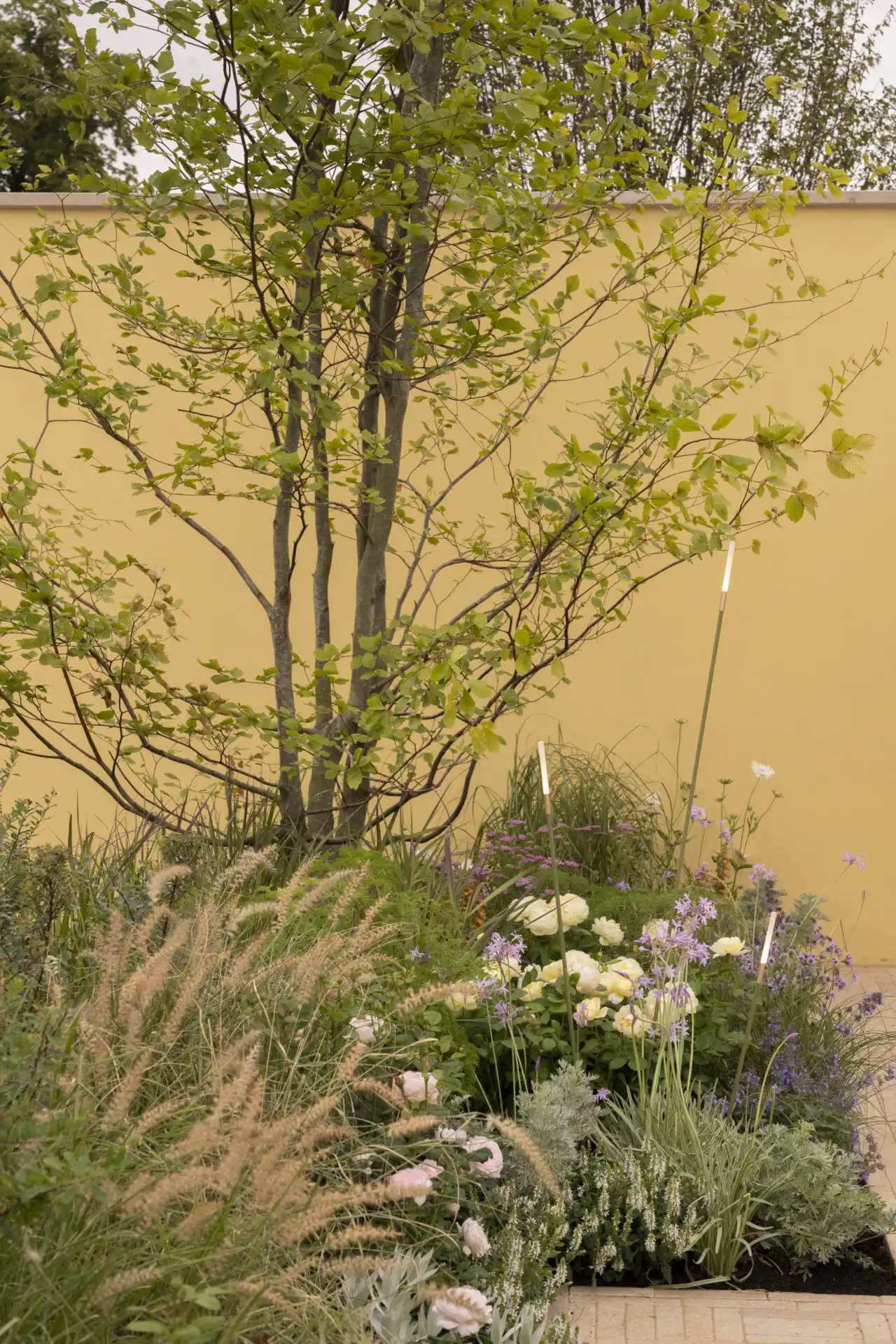
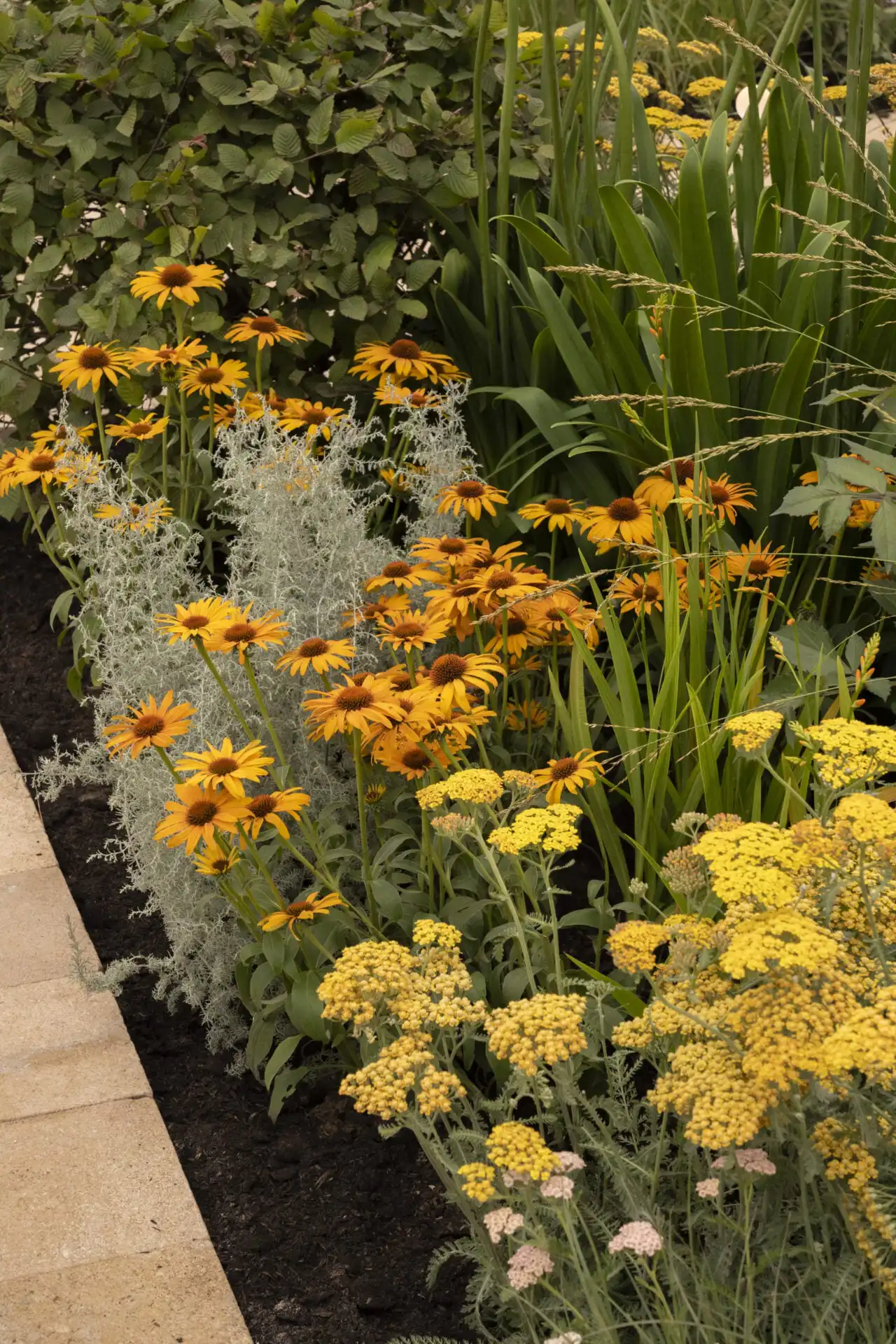
The garden was divided into four formal quadrants, each inspired by a carefully selected group of Gainsborough’s portraits. Rather than copying individual paintings, Frederic studied the artist’s complete catalogue of work, identifying recurring colour palettes and translating them into planting combinations.
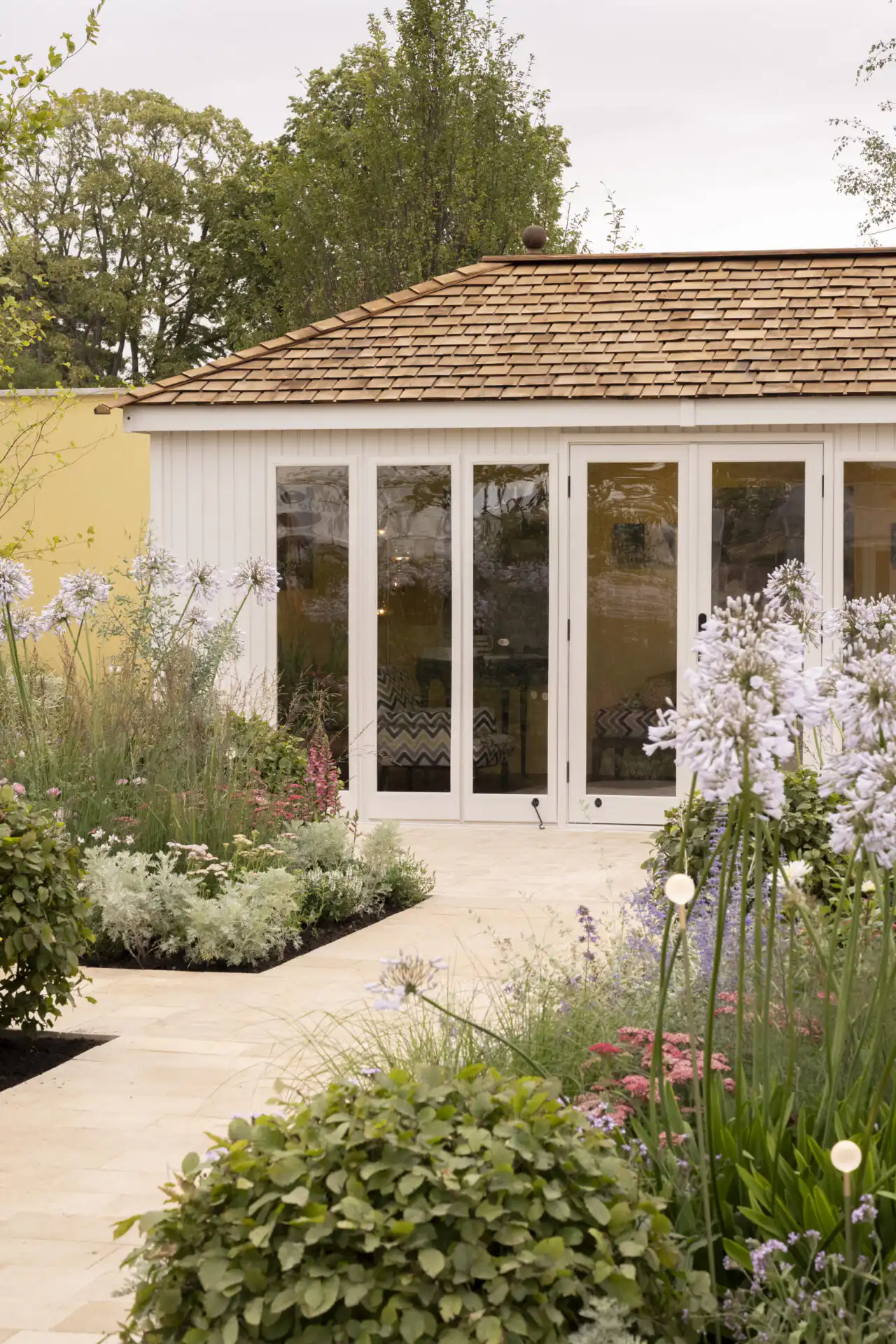
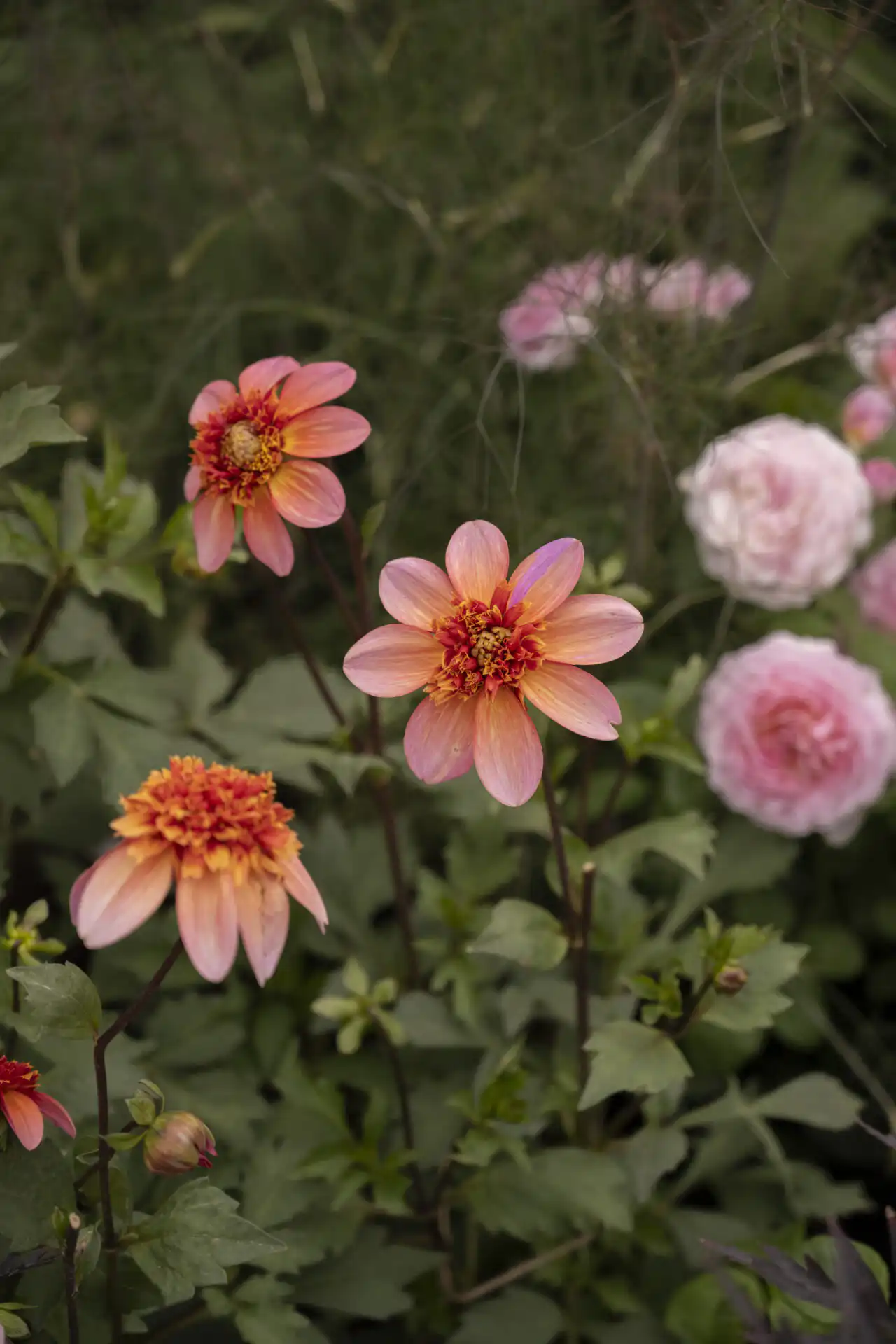
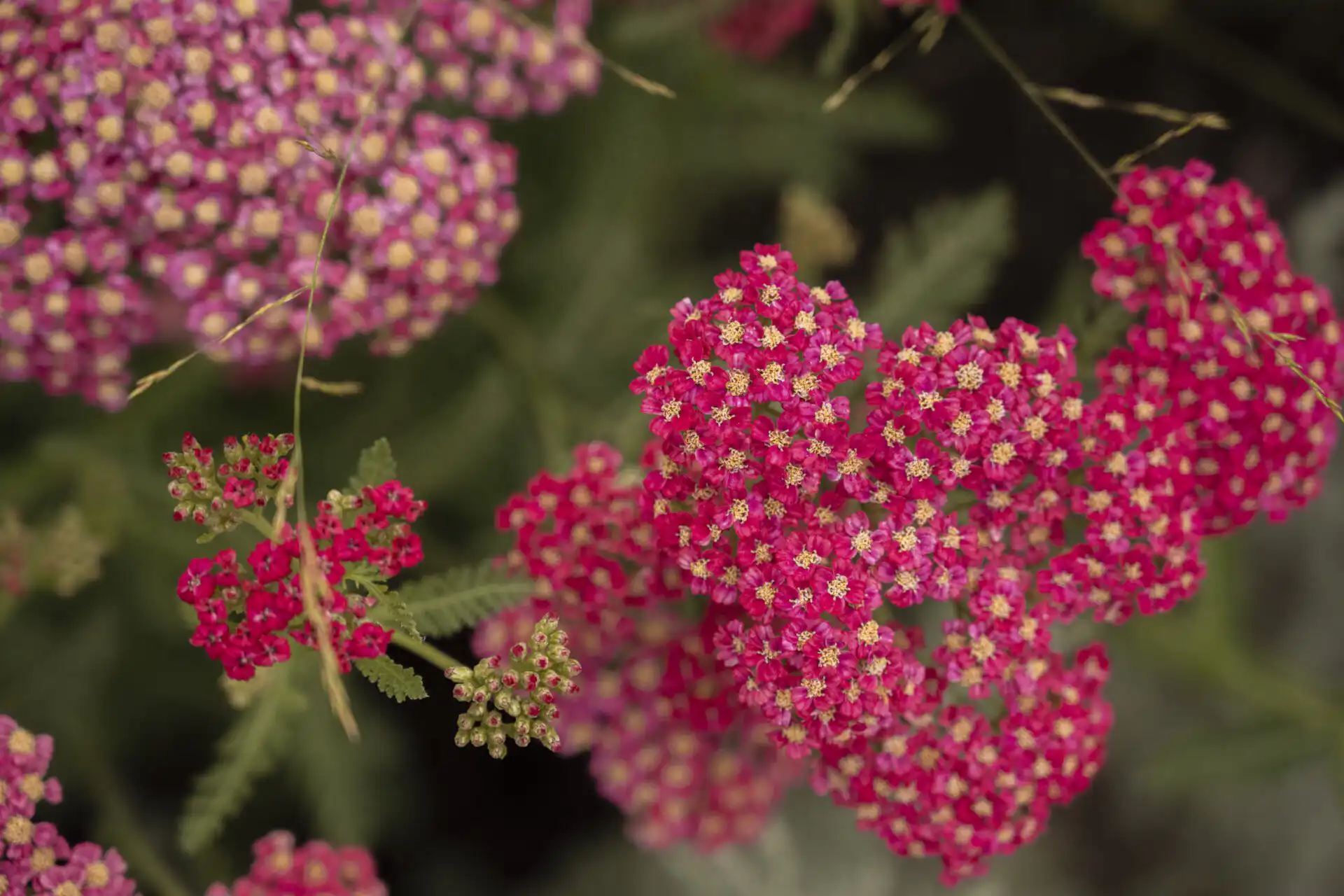
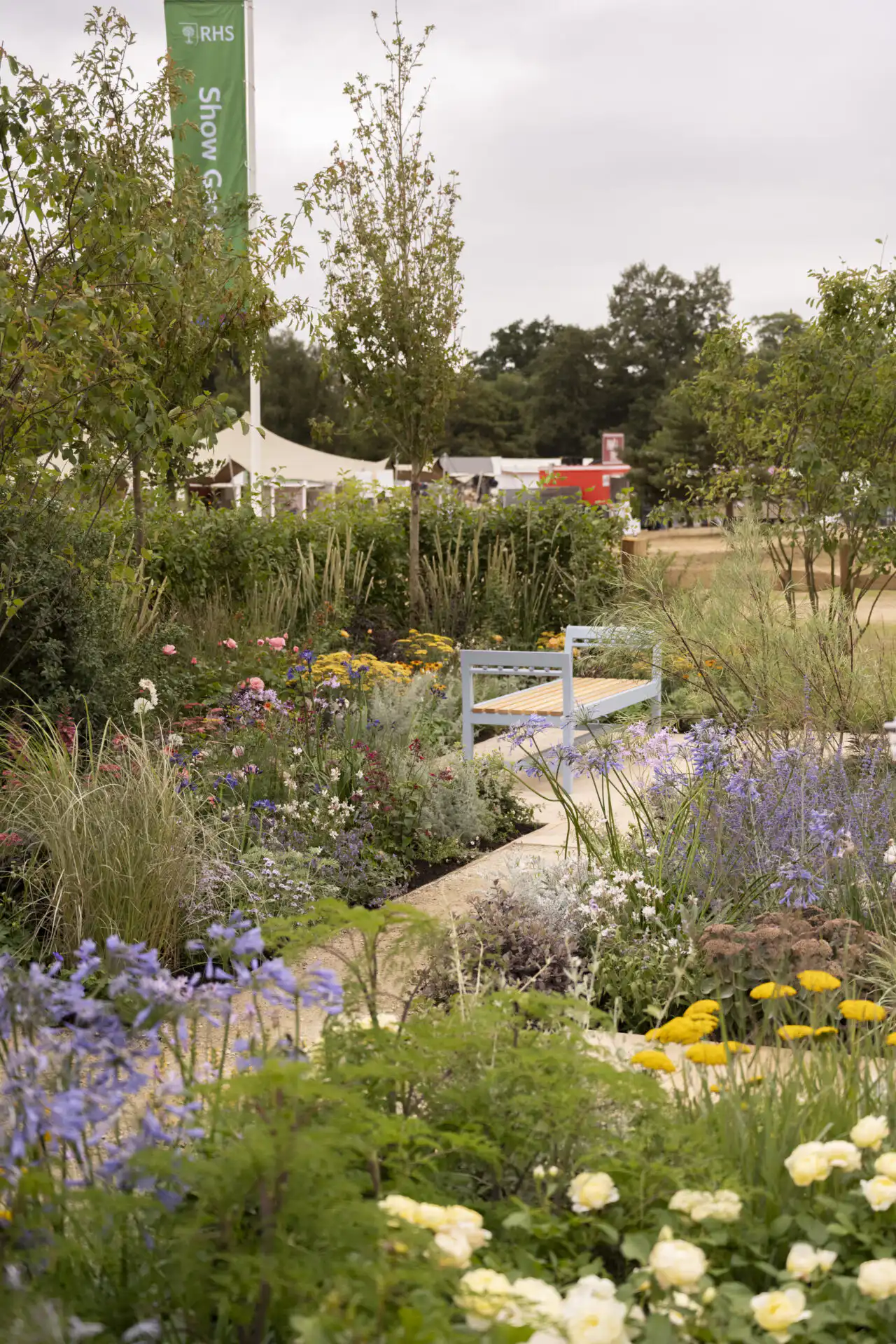
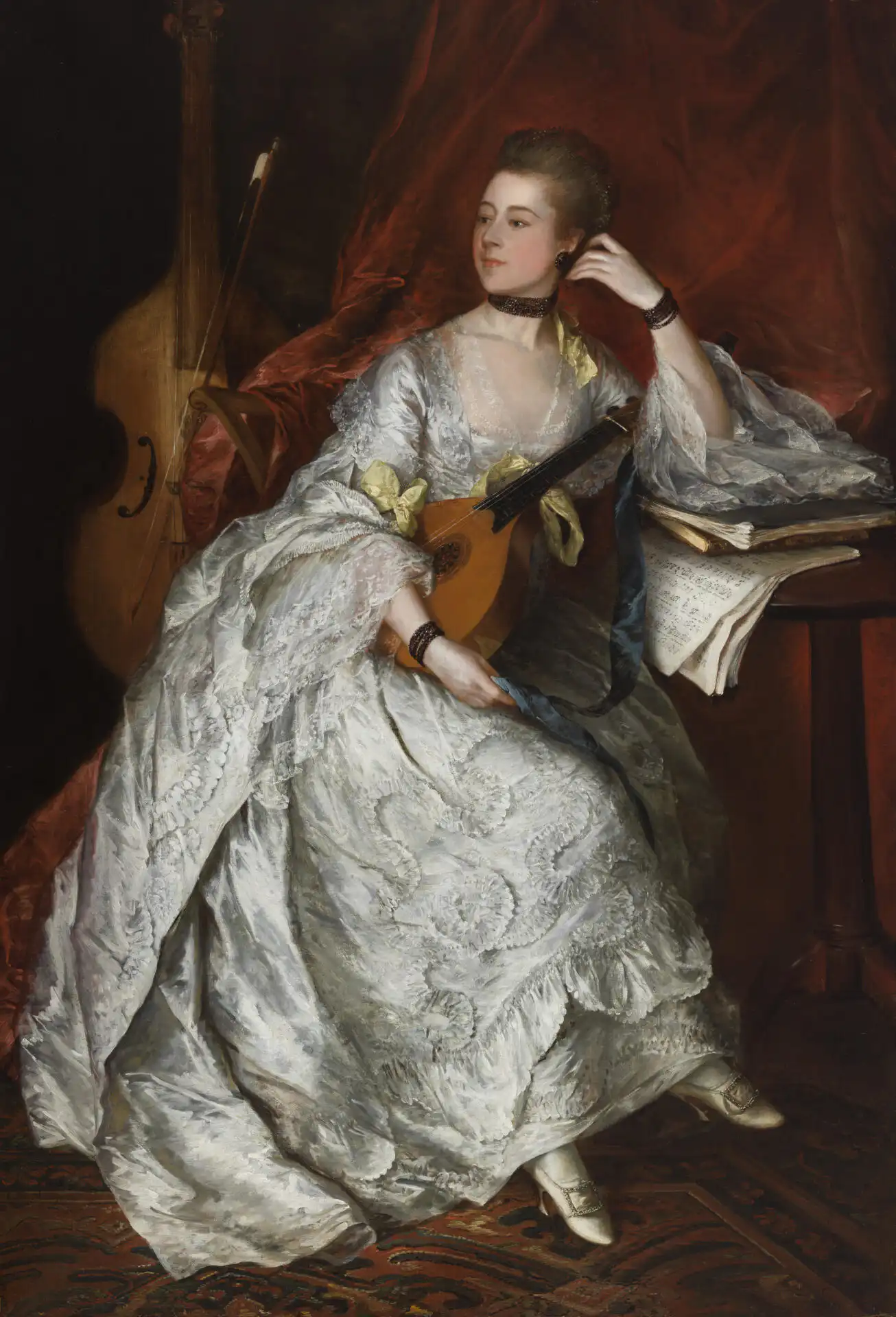
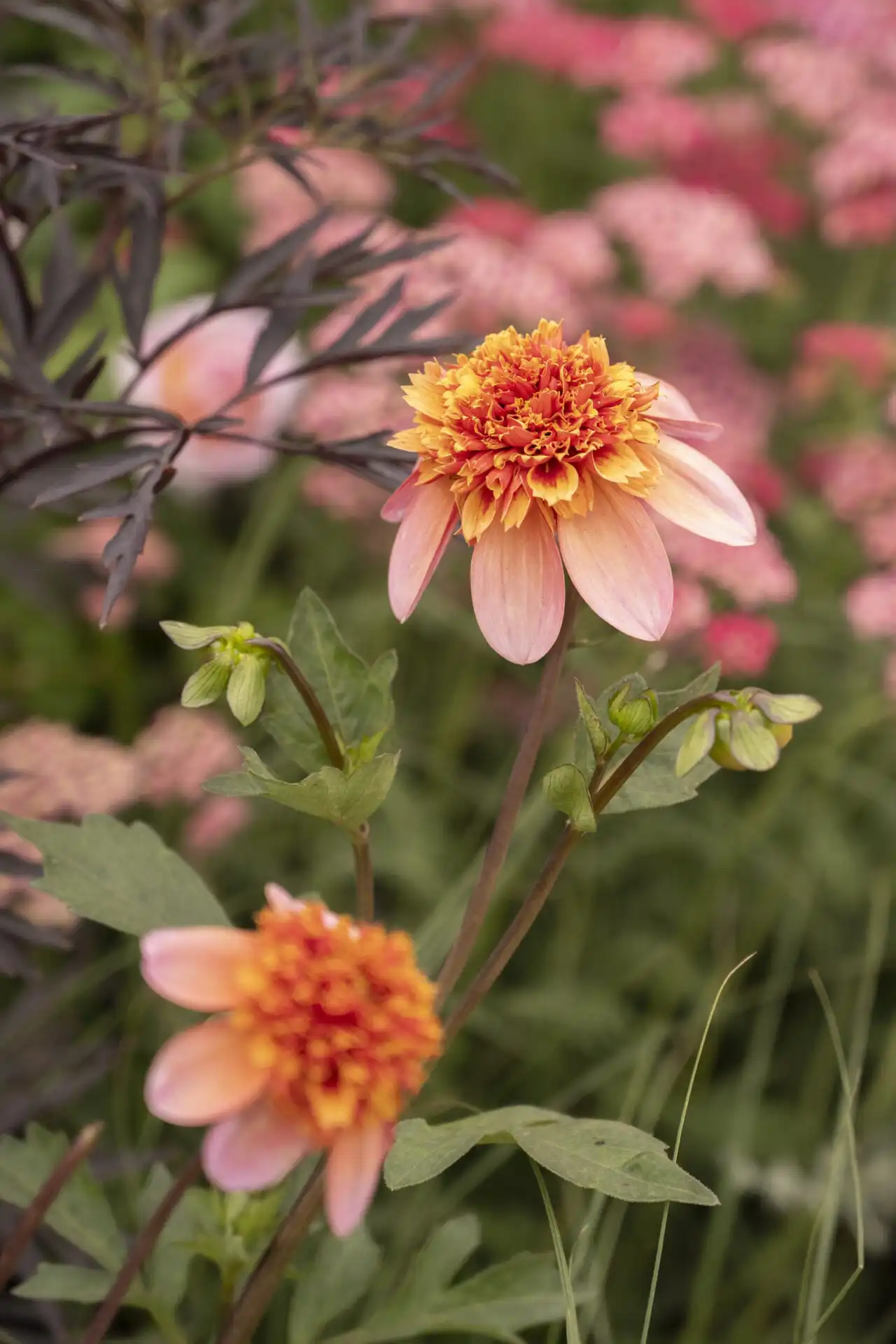
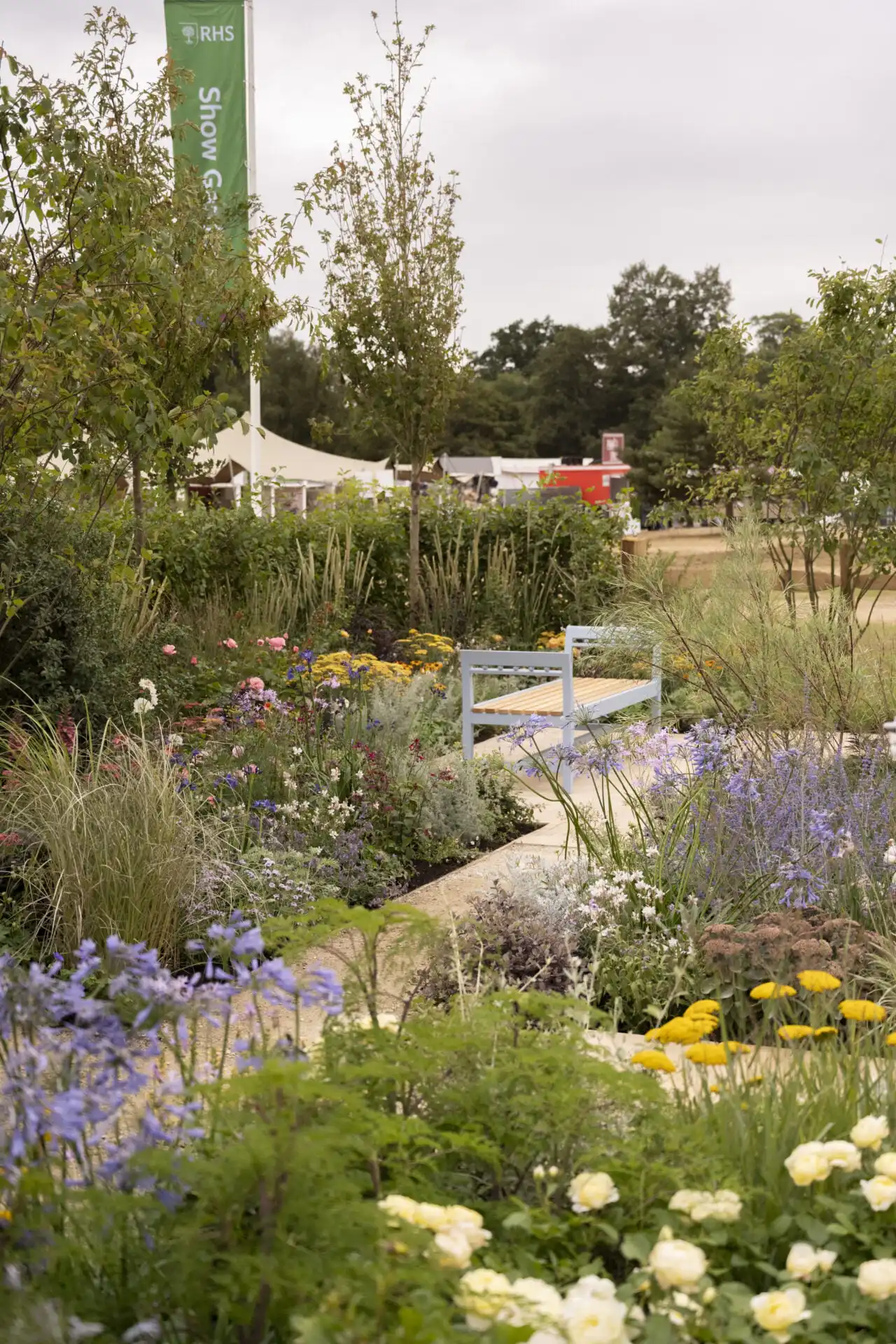
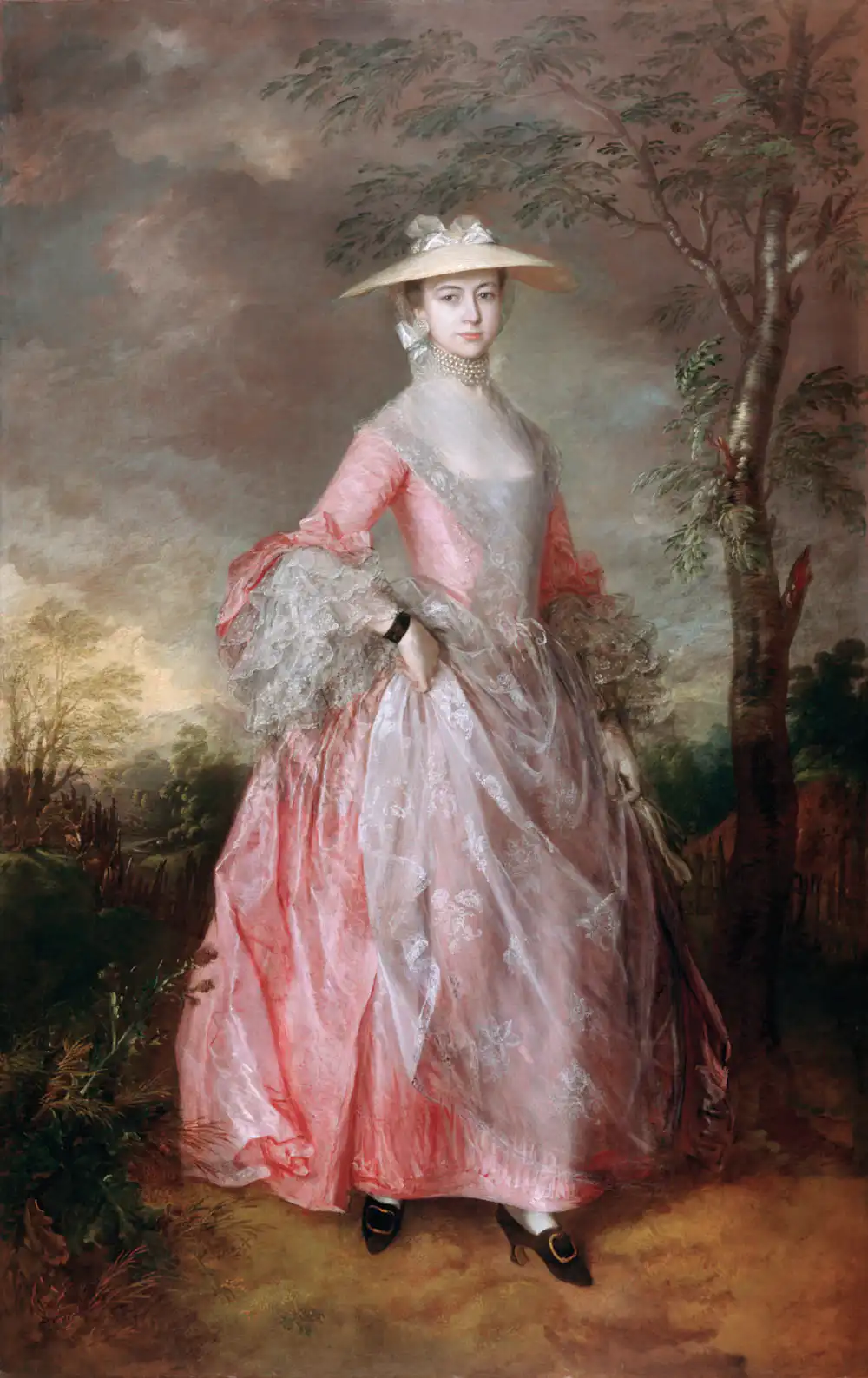
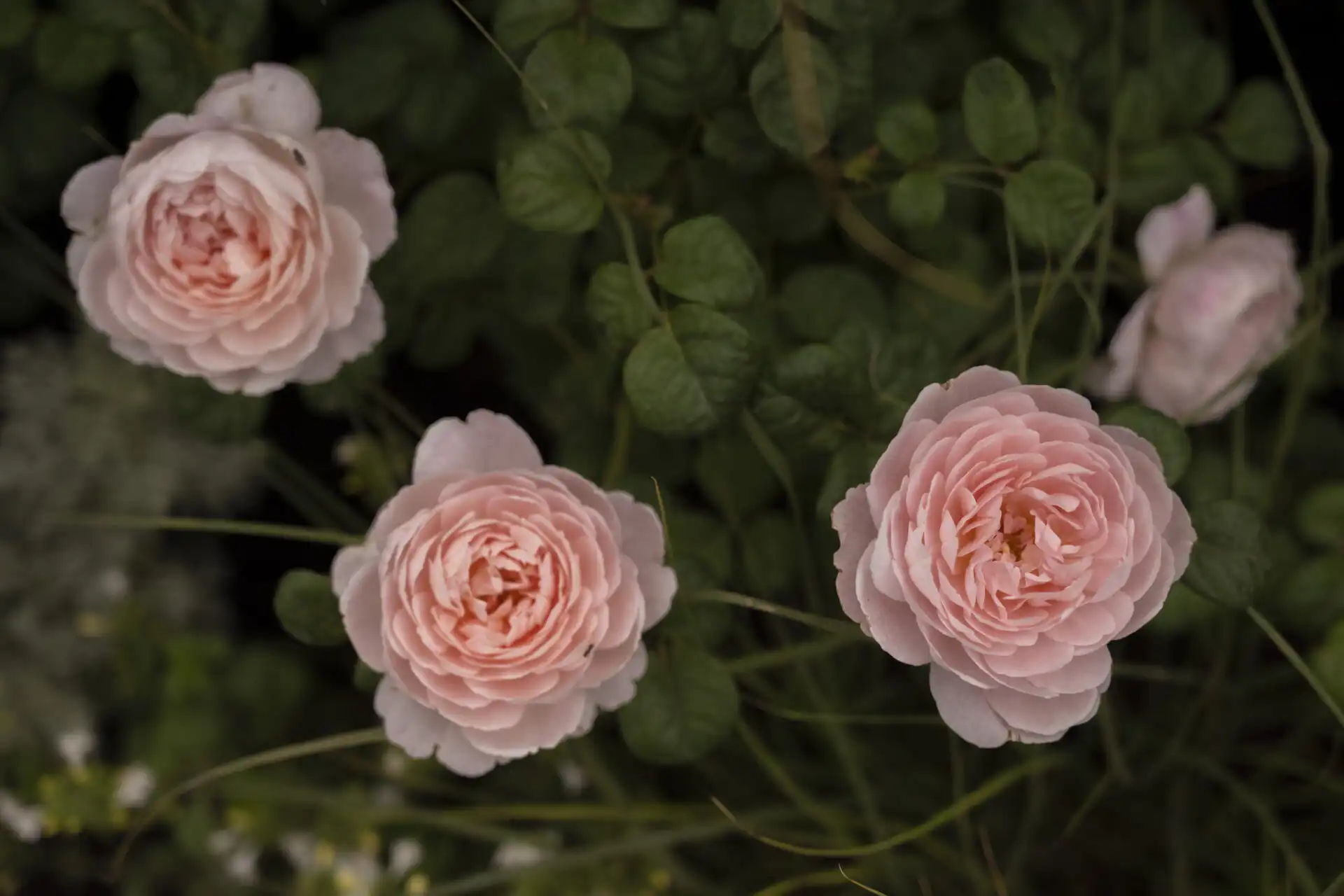
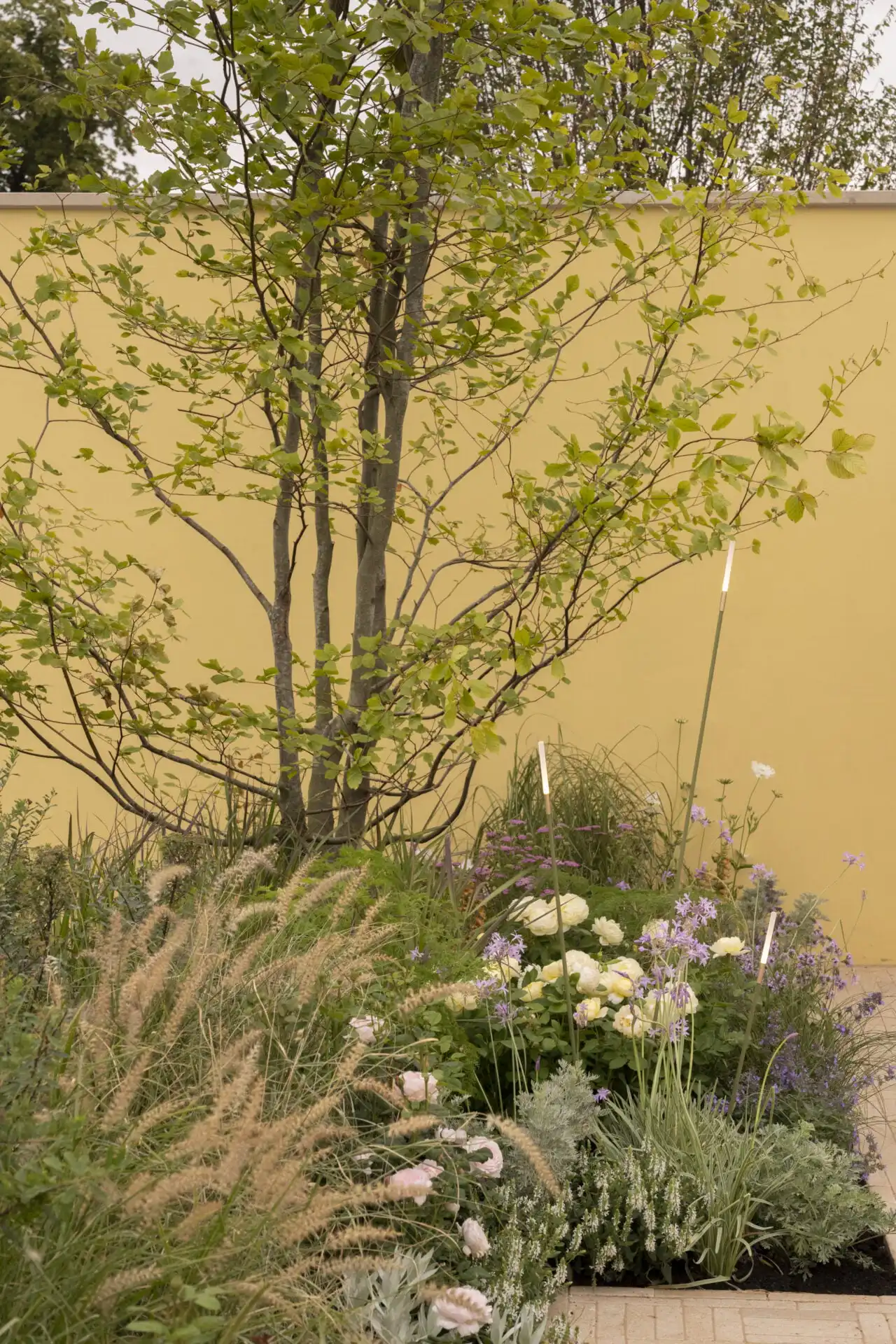
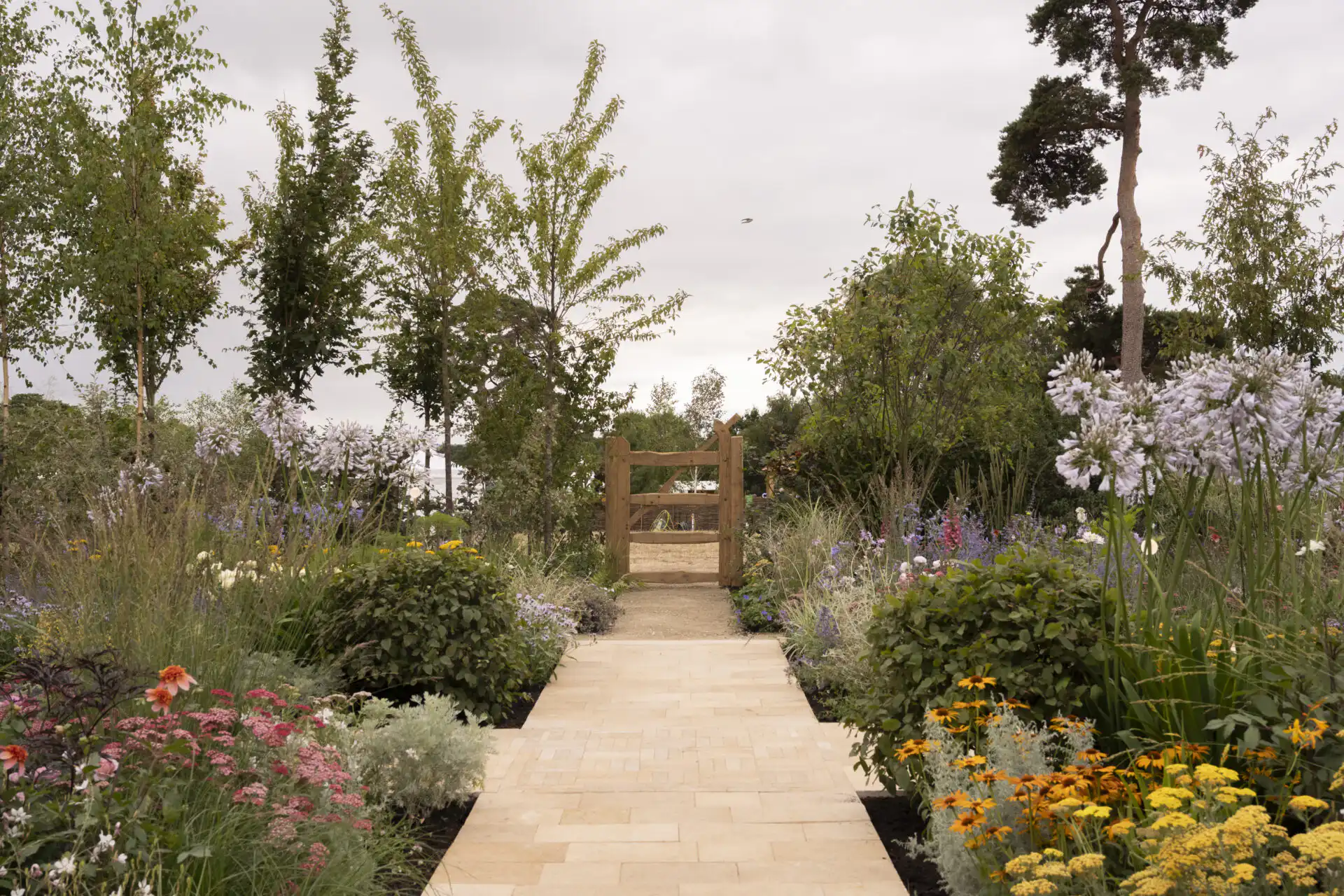
Roses, dahlias and perennials reflected the colourways found in celebrated portraits including Portrait of Countess Howe, The Honourable Mrs Graham and Portrait of Ann Ford. Frederic used personal plant favourites like David Austin Vanessa Bell roses, with its soft primrose-yellow blooms, and Silas Marner, whose gentle pink flowers echoed the romantic tones found throughout Gainsborough’s work. Elegant drifts of Agapanthus ‘Windsor Grey’ introduced cool blue hues that complemented the Linfa spherical lighting woven discreetly through the garden.

Bringing Gainsborough’s House into the Garden
Many of the garden’s architectural details referenced Gainsborough’s House itself.
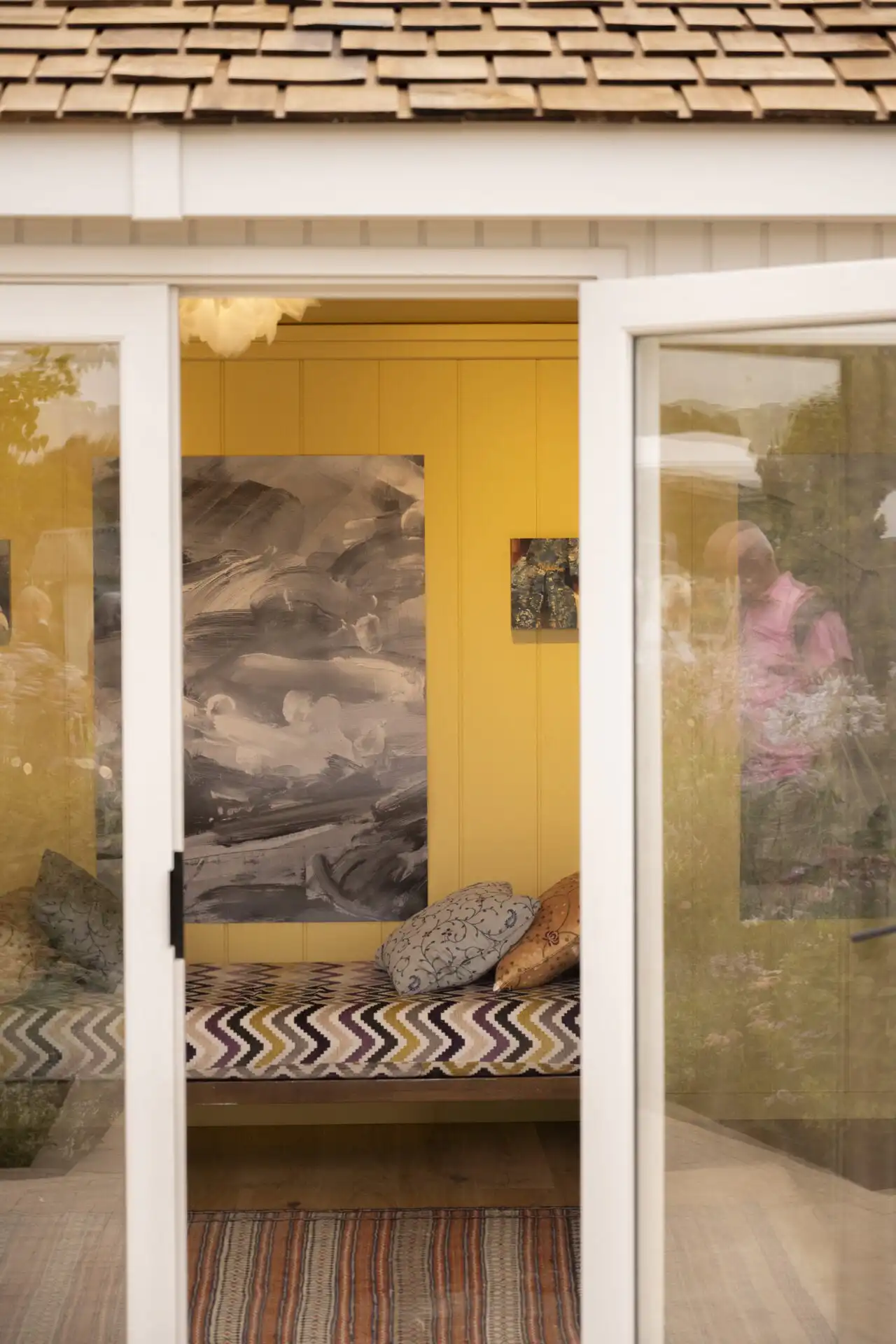
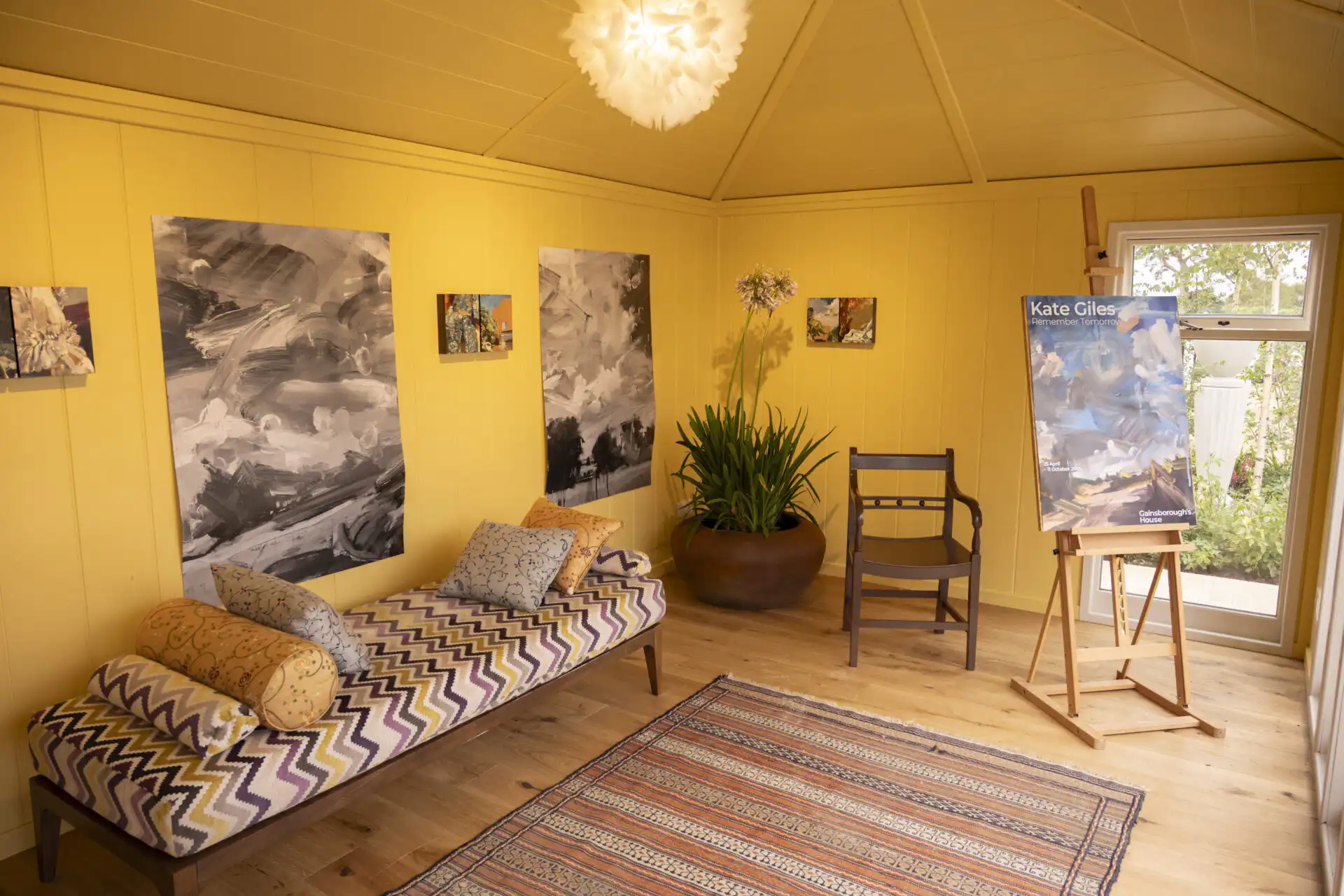
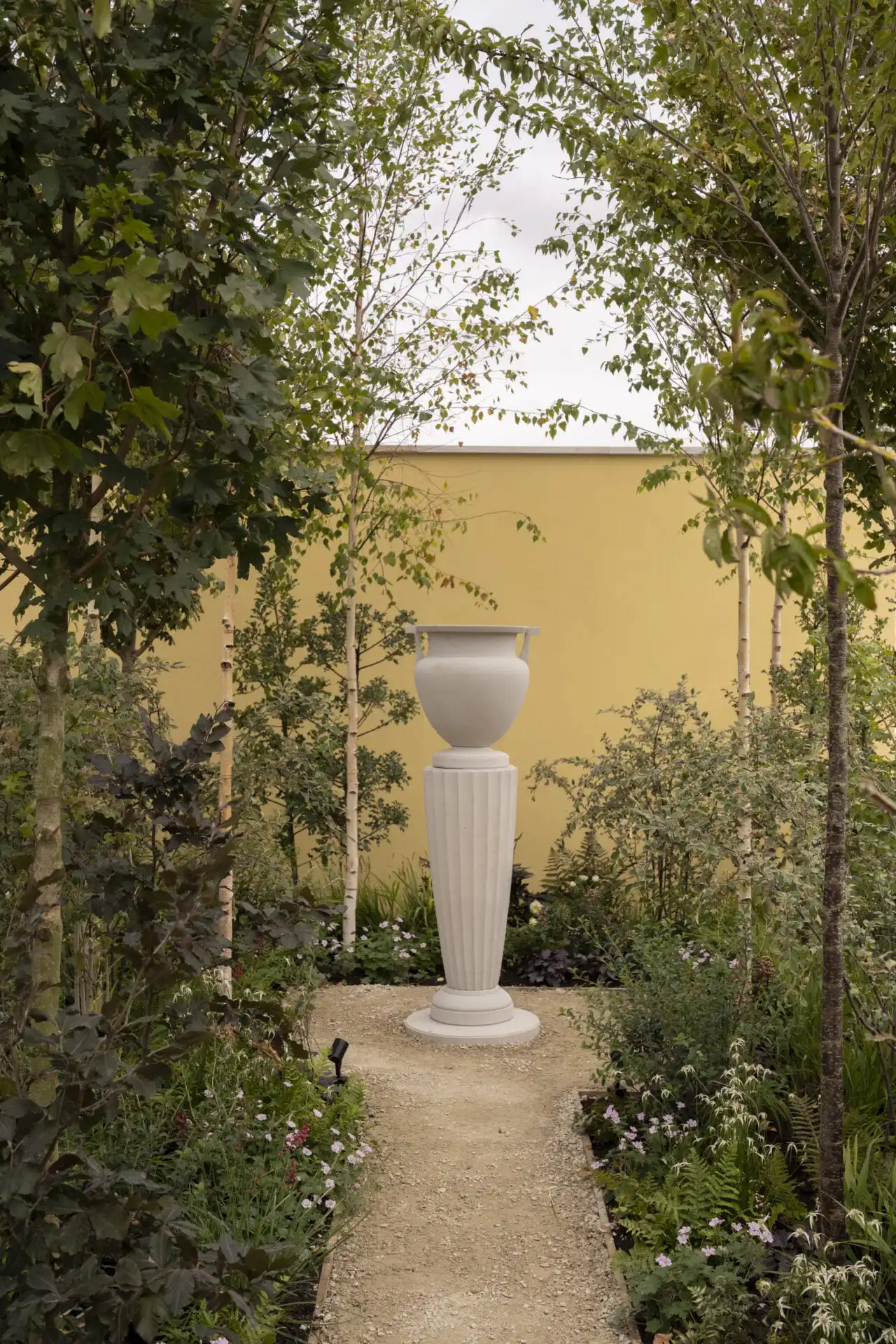
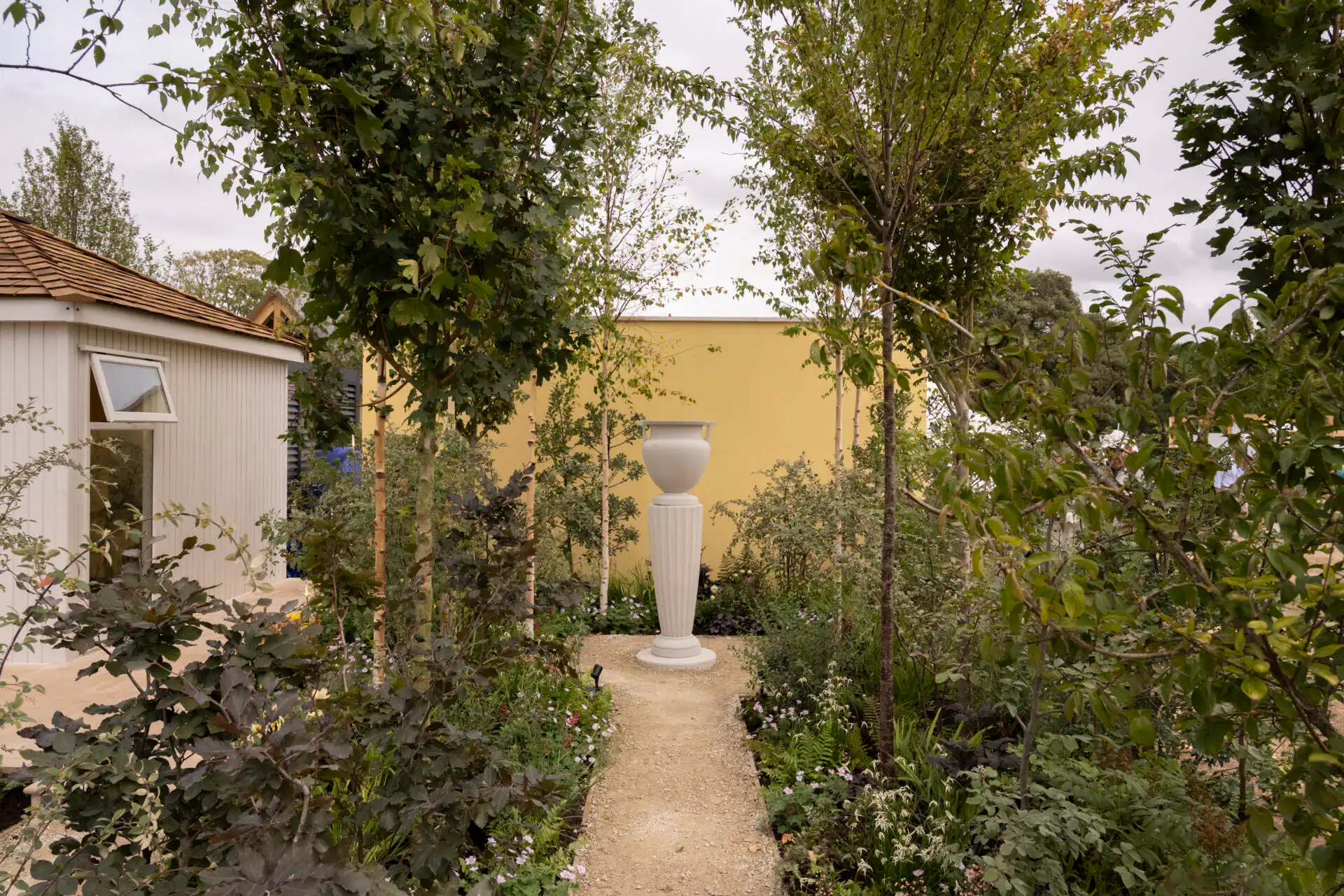
The garden’s walls were painted in a soft limewashed yellow echoing the façade of Gainsborough House, while the garden studio was finished in a subtle green-grey shade (based on Little Greene’s Limestone 238) replicating the exterior fixtures. Inside, the studio was also colour-drenched in a soft yellow and very simply furnished.
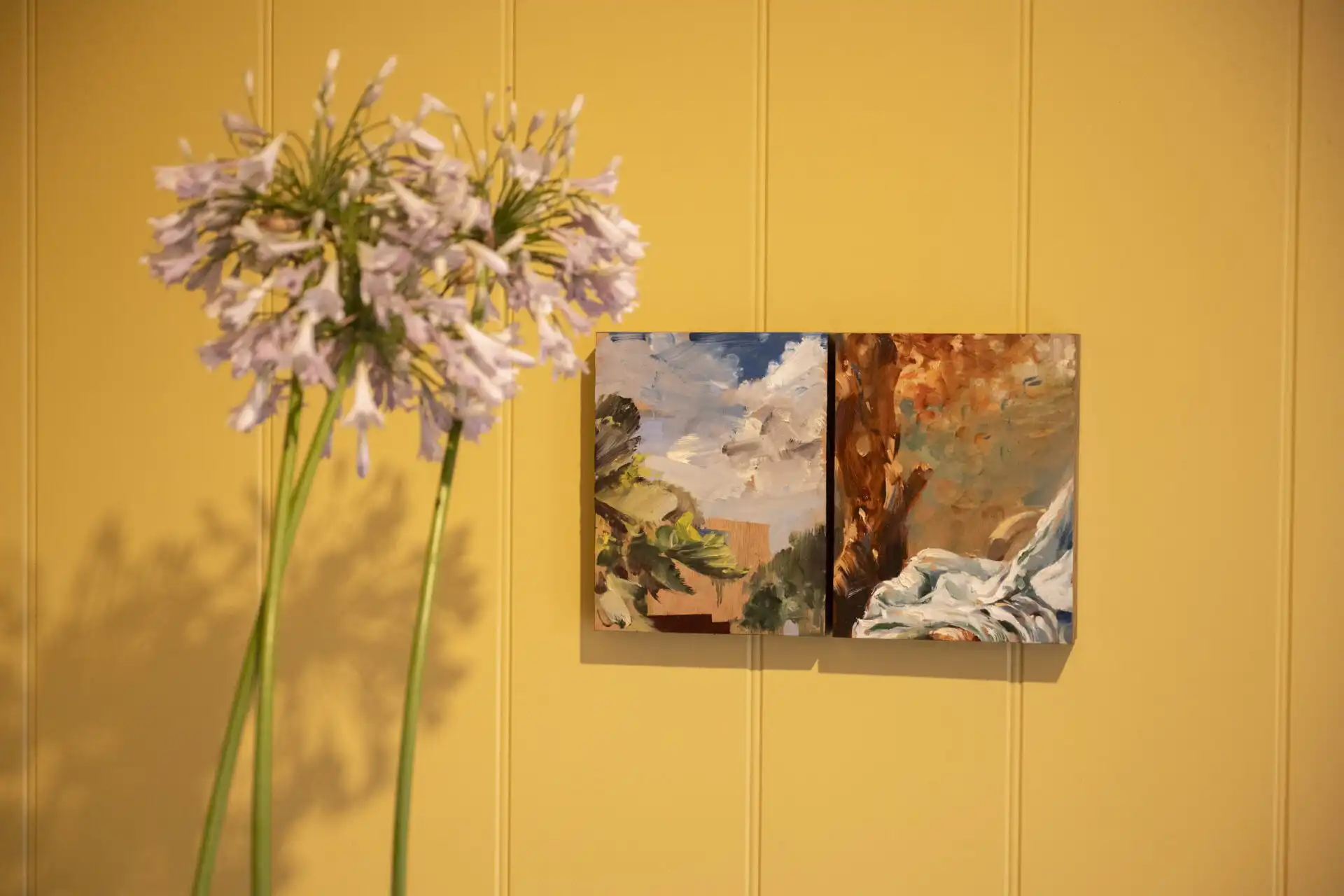
The interior featured specially commissioned diptych paintings by artist Kate Giles, created to celebrate the garden, alongside handcrafted furniture by Otis of O B Luxton, whose work also includes the gallery benches at Gainsborough’s House.
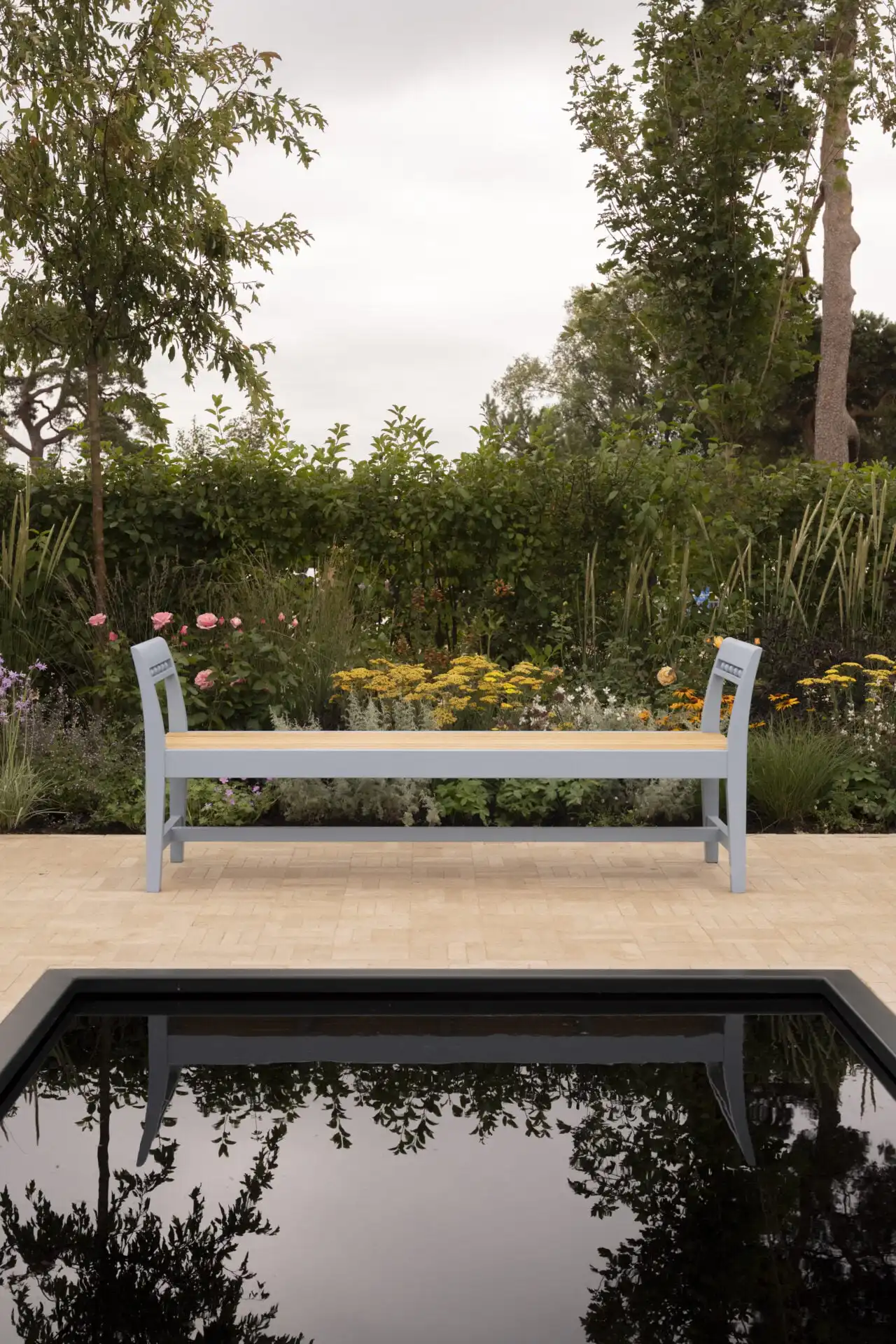
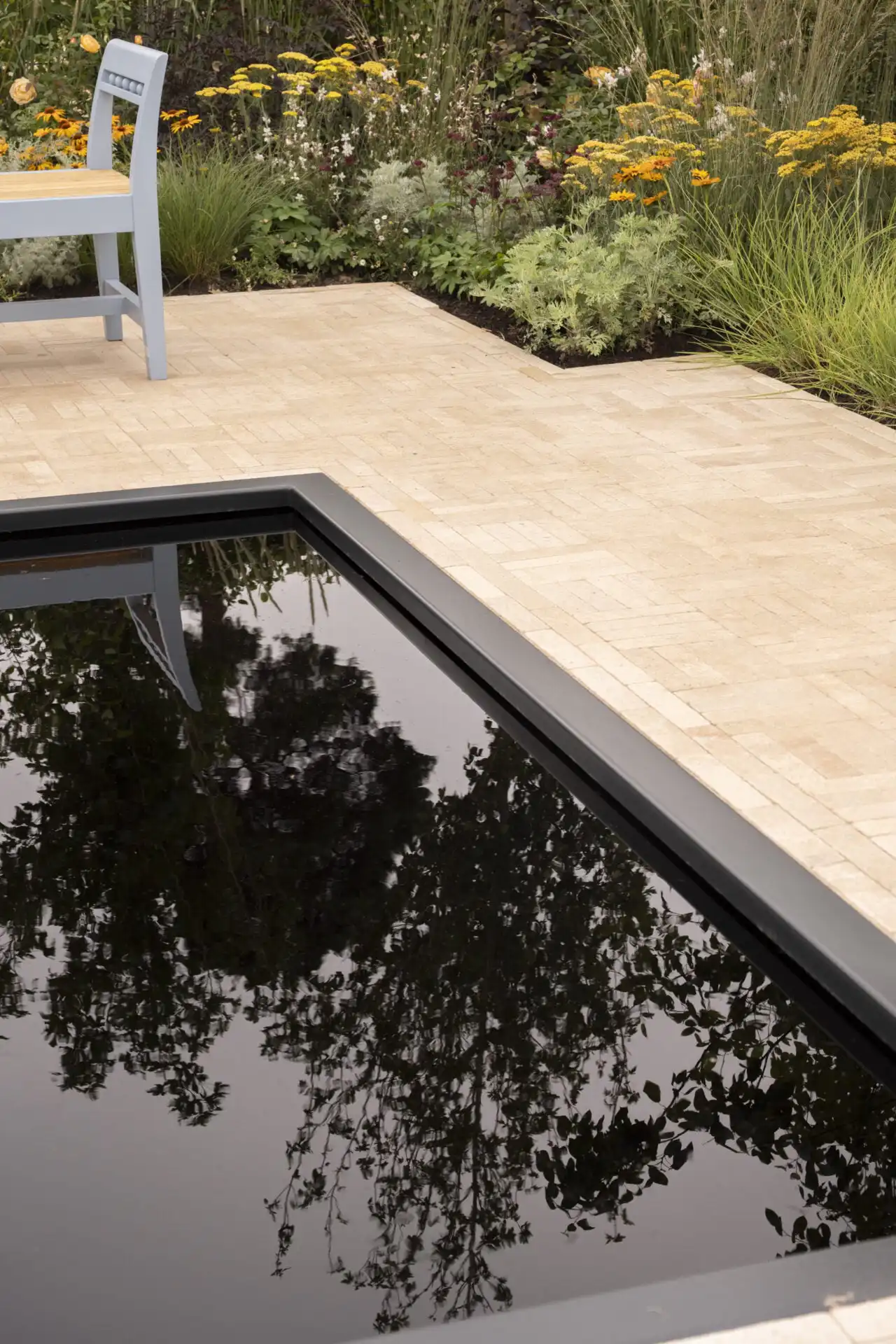
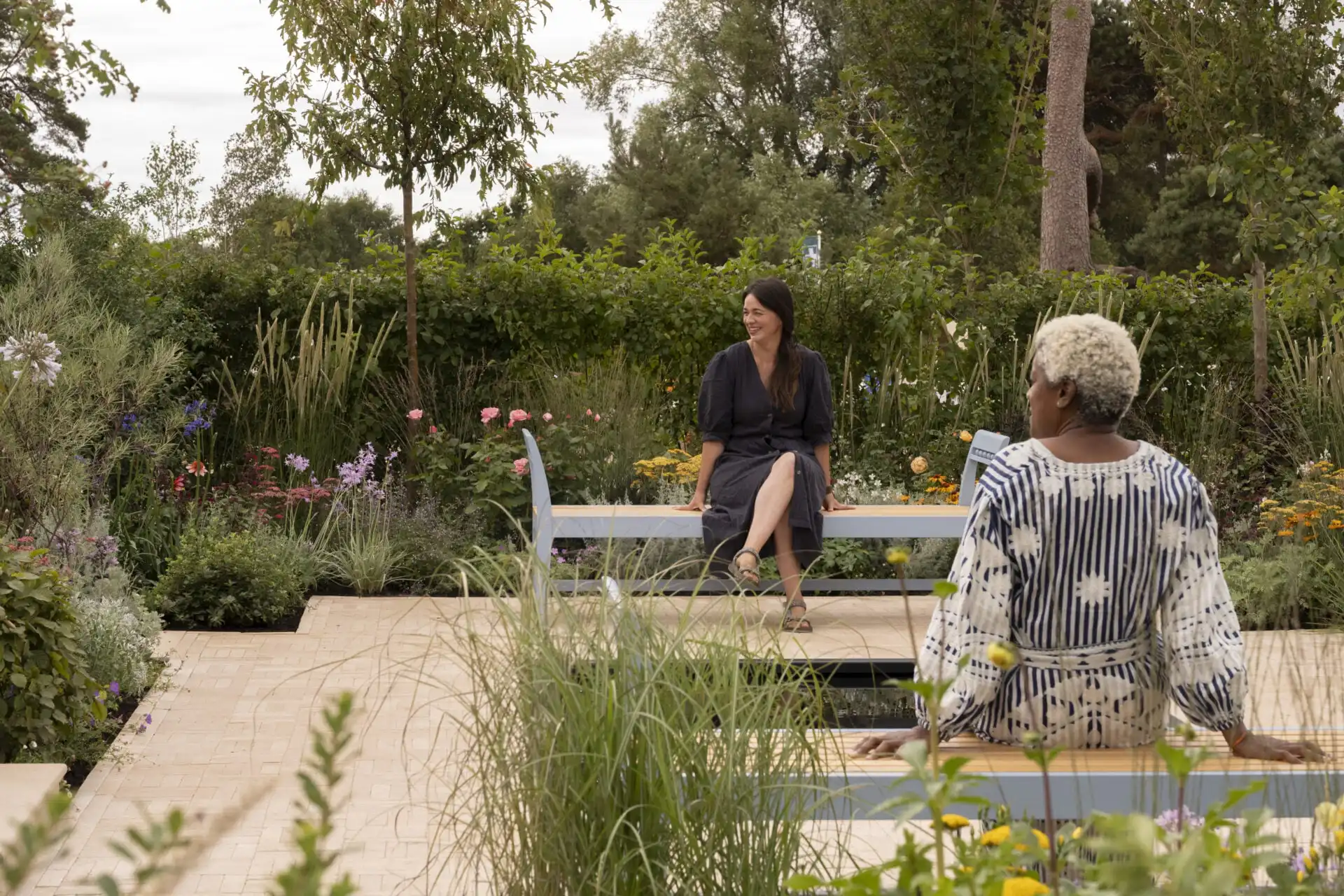
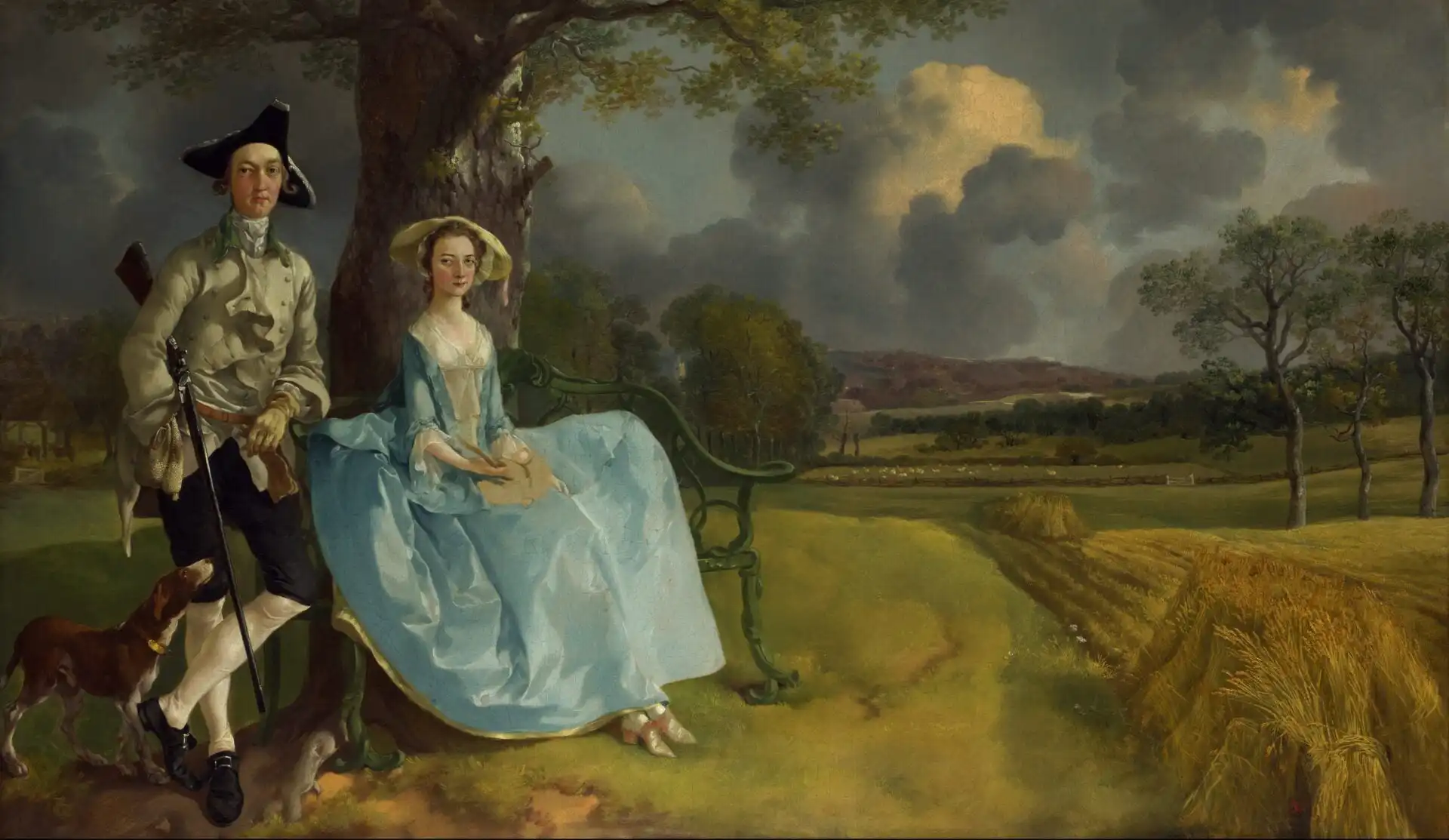
Two garden daybeds, also designed by Otis, used the powder blue of Mrs Andrews’ dress in Mr and Mrs Andrews (perhaps Gainsborough’s most famous portrait that will be returning home for the tercentenary exhibition). Positioned either side of a mirror-like pool reflecting the expansive, ever-changing East Anglian skies that so often feature in the artist’s landscapes, they invited visitors to pause and experience the garden much as an artist might.
Behind the seating, Frederic artfully used yellow-tinged ornamental grasses and blue meadow perennials, to bring out the blue colour even more.
A Landscape Rooted in Suffolk
Beyond the formal planting, the garden drew deeply from the Suffolk landscape that shaped Gainsborough’s artistic vision.
The perimeter of the garden was more naturalistic, reflecting the gentle landscapes of the Suffolk countryside. A mixed native hedgerow, a stylised meadow, a grove of silver birch with a classical urn framed the space, while traditional chestnut fencing also referenced Mr and Mrs Andrews. Hoggin paths and stone paving acknowledged Gainsborough’s later years in Bath and London.
A pair of Irish yews mirrored the distinctive trees found at Gainsborough’s House, while a young white mulberry paid tribute to the museum’s remarkable 400-year-old mulberry tree, believed to have already been mature when Gainsborough was born in 1727.
Art and Nature Working Together
For Frederic, the garden explored the relationship between art, craftsmanship and nature.
“I’ve always loved the work of Thomas Gainsborough because of the contrast between the artistry and the artifice of his portraits, set against soft, idealised romantic landscapes. That’s how I approach garden design too. It’s a combination of art and nature. Garden design is a craft and an art form, and planting should be approached creatively rather than simply replicating nature.”
That philosophy is reflected throughout the garden, where carefully composed planting sits within a strong architectural framework, creating spaces that feel both natural and intentionally designed.
Completing the Composition
The restrained architecture of the Hipped Garden Studio quietly anchored the composition, reinforcing the idea that a garden studio can be both functional and beautiful. As a working artist’s space, it brought the story full circle, celebrating the creativity of a contemporary artist while paying homage to the environments that shaped Gainsborough’s own work.
Like the finest works of art, every element of the Thomas Gainsborough Garden was considered with purpose. It serves as a reminder that exceptional gardens are living works of art.
When a garden is conceived as a masterpiece, it deserves a master-crafted garden building.