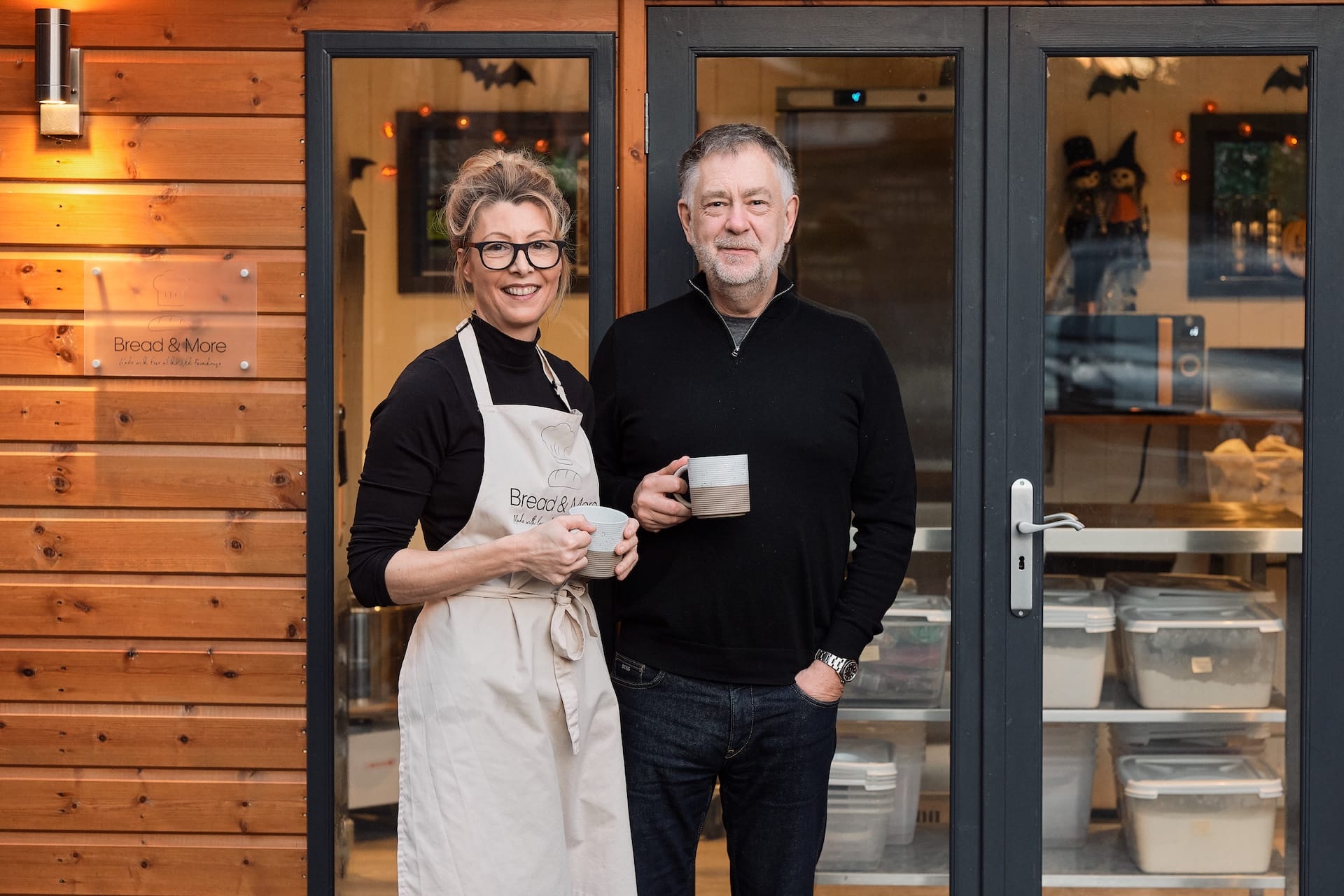
For many, bread baking starts as a hobby. It’s easy to see the appeal: the comforting rhythm of kneading dough, the warm scent of a fresh loaf, and the simple pleasure of sharing something homemade. For Vanessa Rae, what began as a search for a healthier way to enjoy bread has grown into a source of joy, freedom from a high-flying career, and a new sense of community – all just metres from home in a garden room turned micro-bakery.
From home-baking to a local micro-bakery
“My journey with baking started over 20 years ago,” Vanessa explains. “I was having digestive problems, so I began baking my own bread to know exactly what went into it, and I never stopped!”
What began with a bread machine soon grew into an obsession with craft baking. “I started baking for family and friends, but there’s only so much bread my husband and I can eat!”
After decades in a demanding corporate career, she decided it was time for a better work-life balance. “I’d been working globally, often at a relatively high level, so I asked to reduce my working hours to four days, without really knowing what I would do with the extra day. I was following micro-bakers on social media, and one day I thought, ‘Why not me?’”
That spark led to enrolling in a course on starting a micro-bakery at mabakerbakes, and soon after, Vanessa and her husband Tom began planning a dedicated baking space.
Choosing a garden room for the bakery
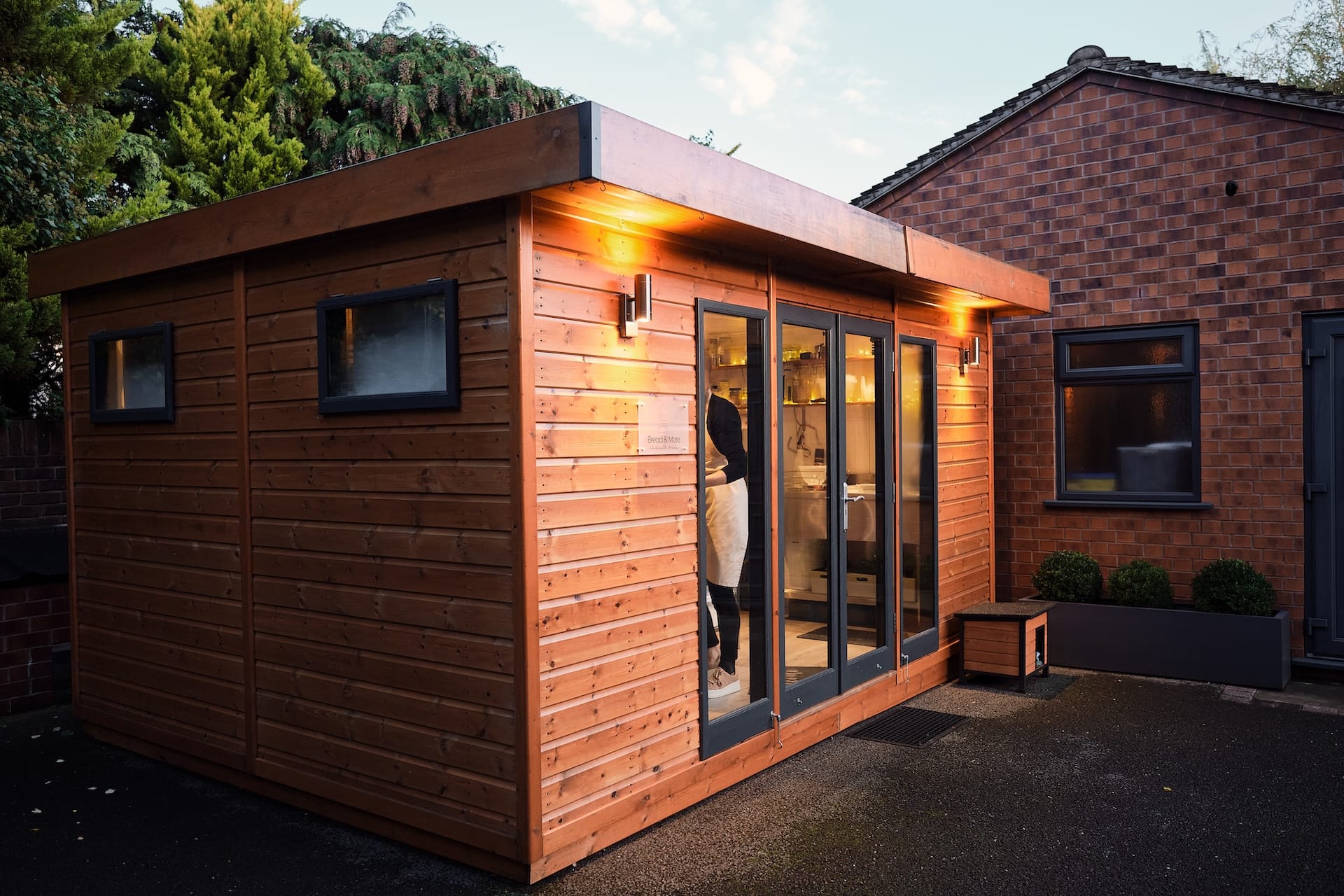
The next question was where Vanessa would bake. “There wasn’t a suitable space in the house, so my husband Tom suggested a garden building. We had the perfect spot next to the garage.”
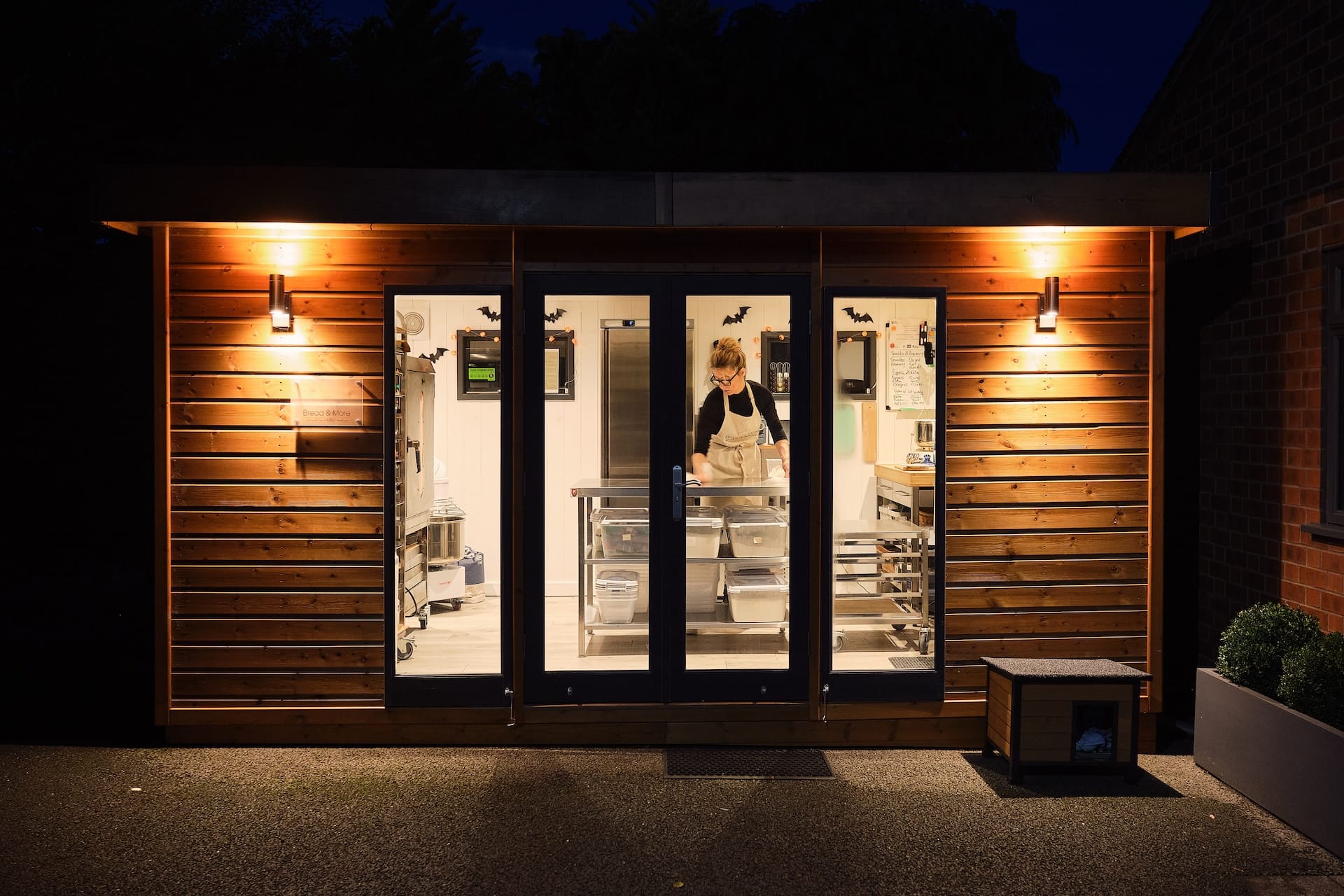
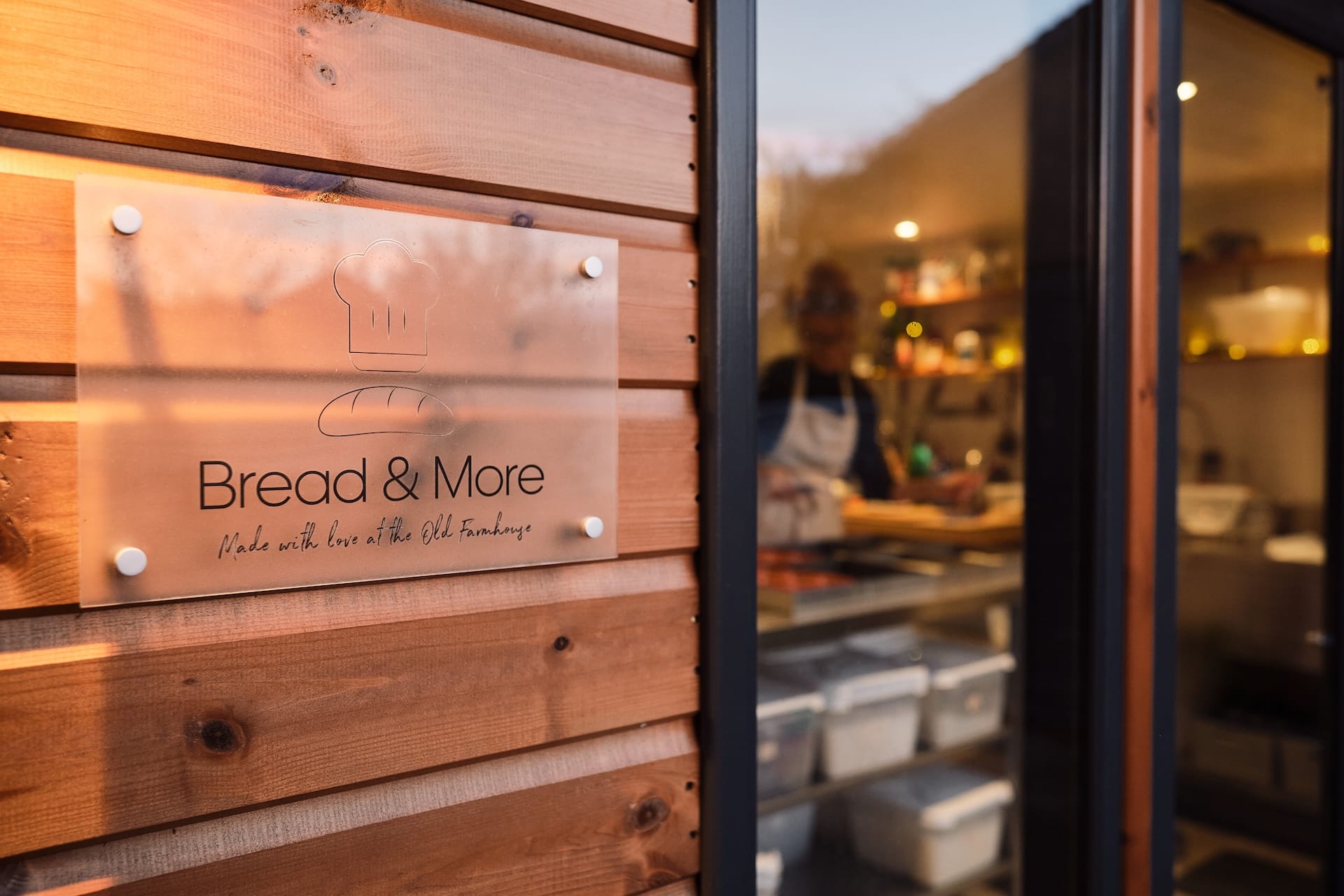
The location turned out to be ideal. “It’s perfect — I don’t need to travel anywhere, and we designed the space, so it works beautifully for both baking and selling. I couldn’t be happier with the result.”
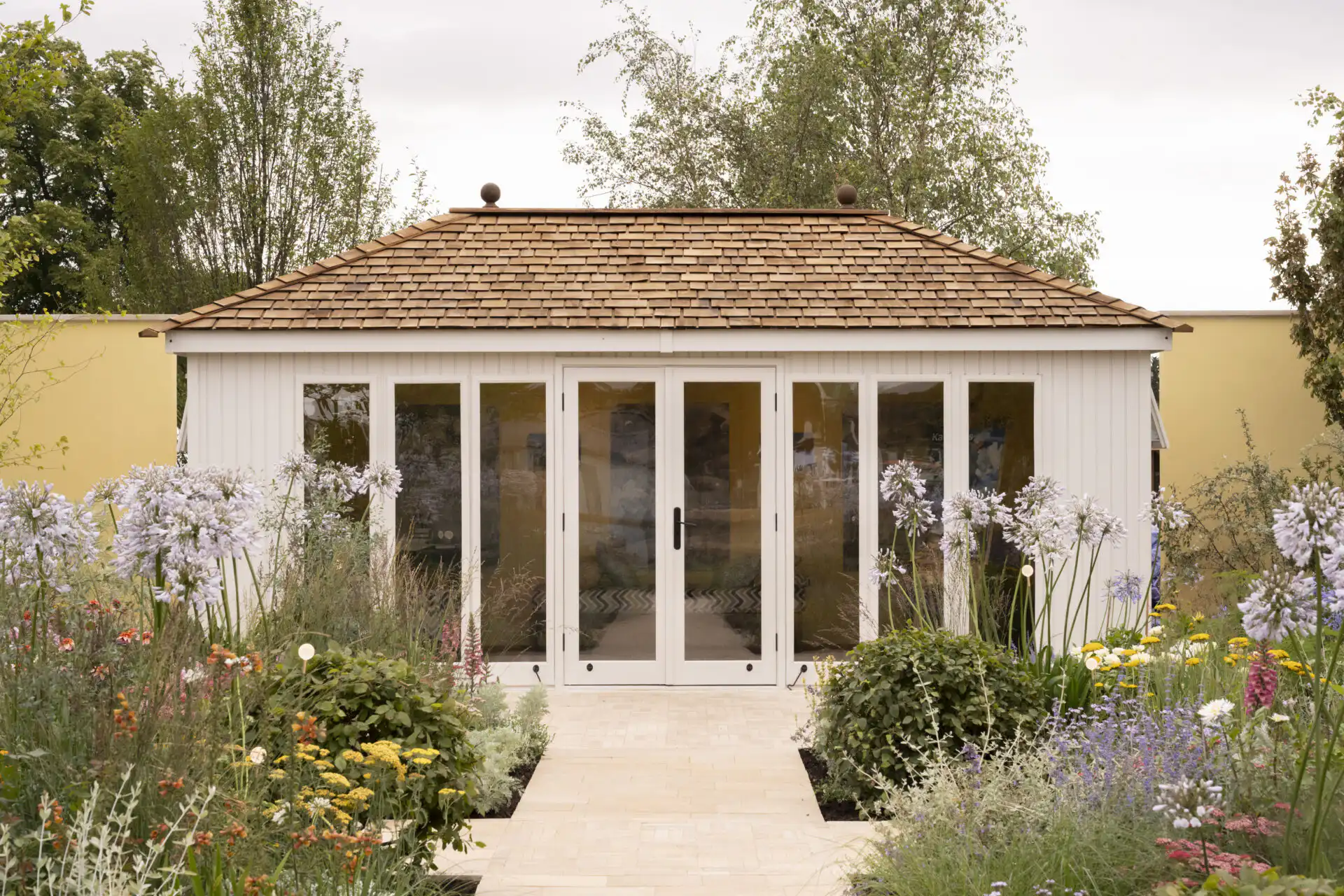
Vanessa and Tom chose a 14 x 10 Studio Flat for their micro-bakery.
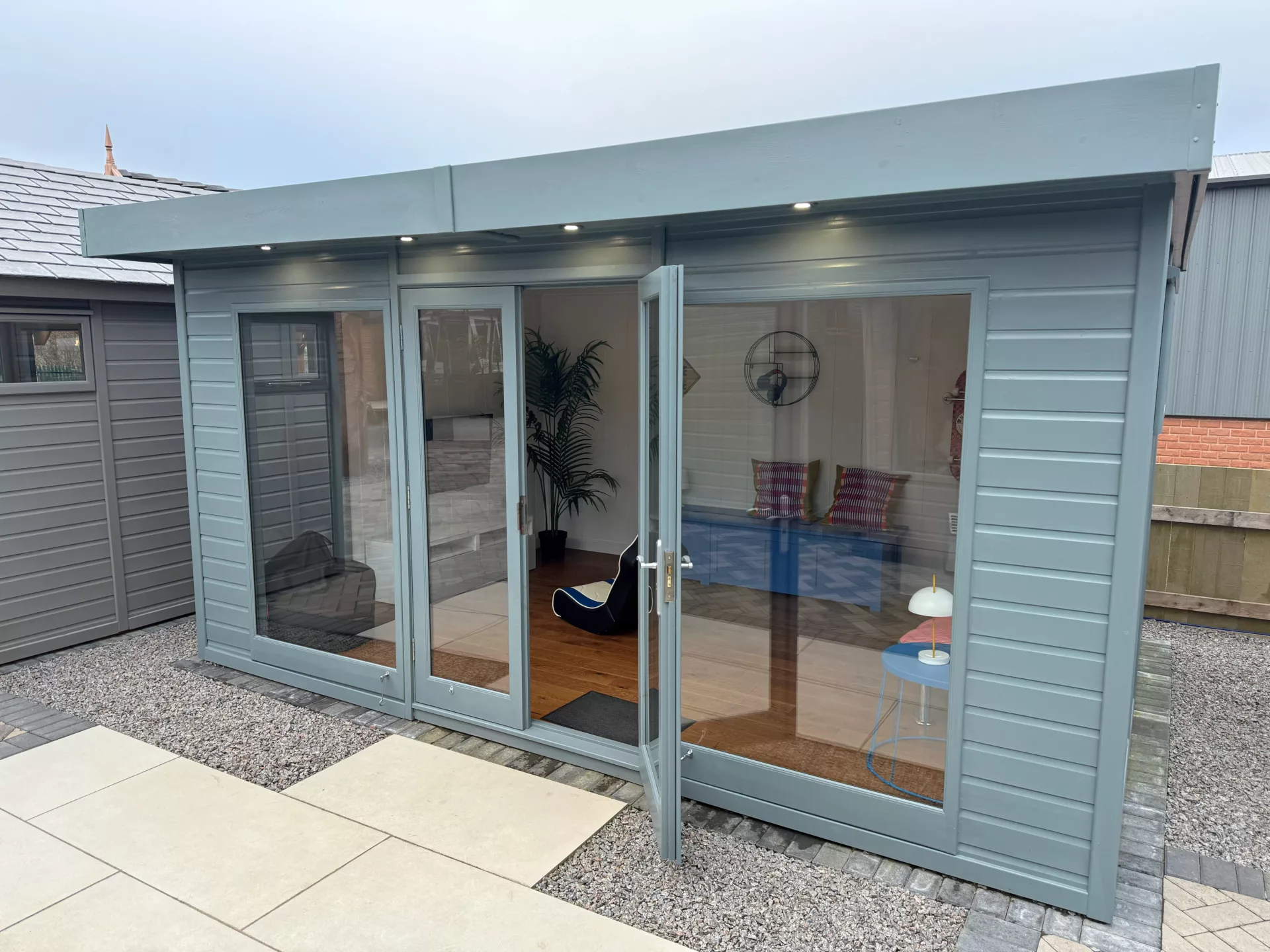
Studio Flat
Turning a garden room into a fully functioning bakehouse
Transforming a garden room into a fully functioning bakery required careful planning. “The main challenge was fitting all the equipment needed in the space without it feeling cramped. We didn’t want the building to dominate the space, so we didn’t go for the largest size, but somehow, we managed to make it both practical and beautiful.”
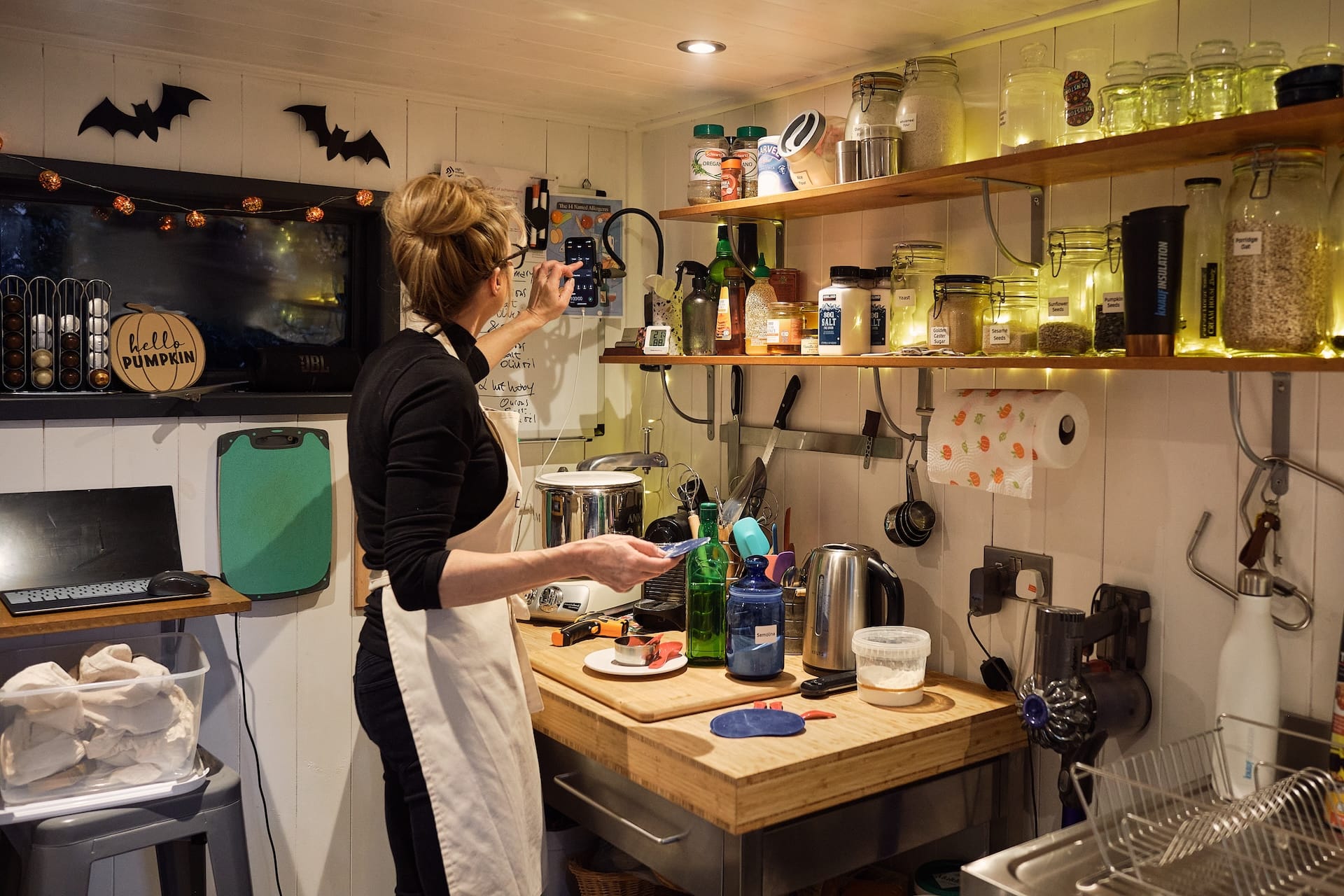
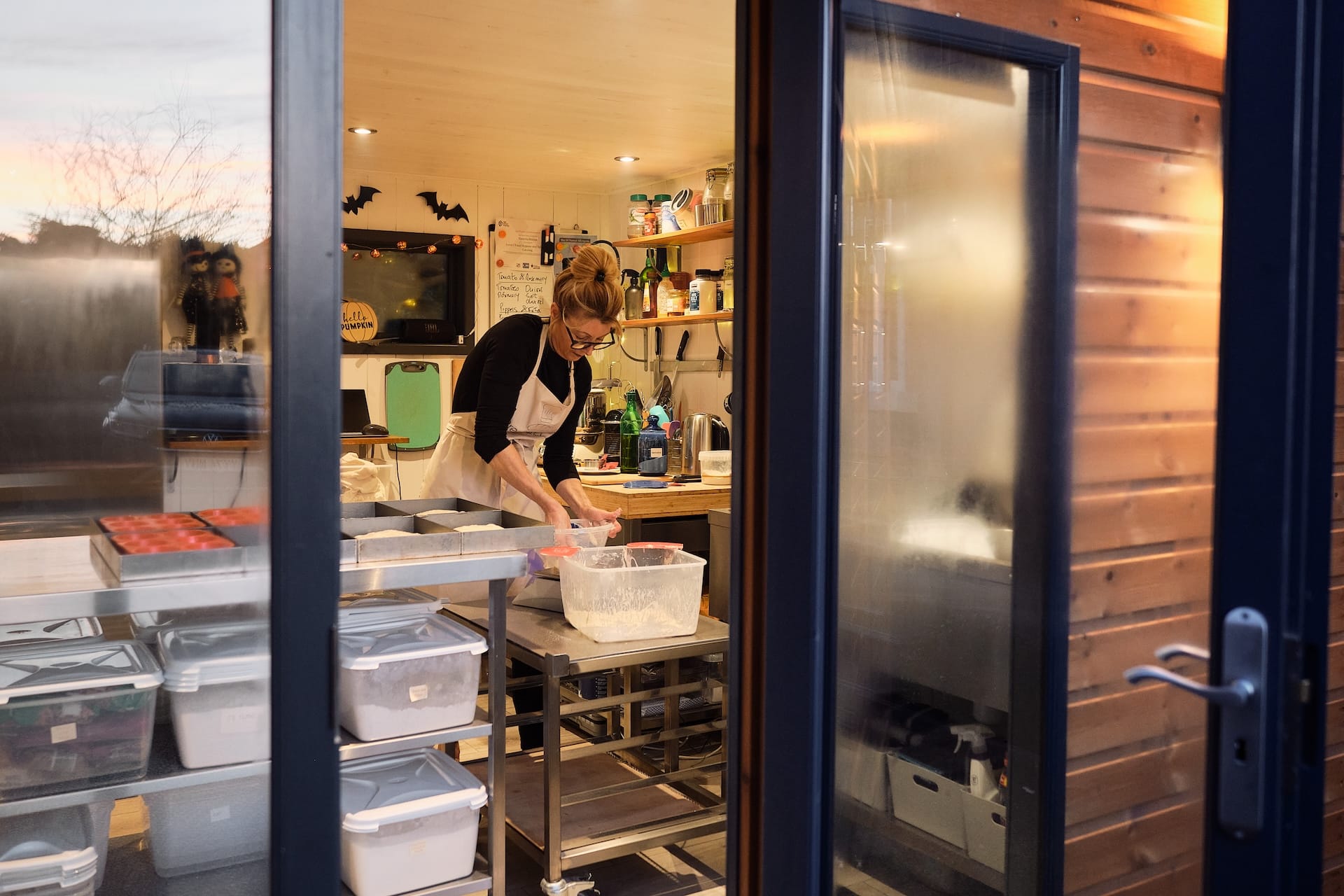
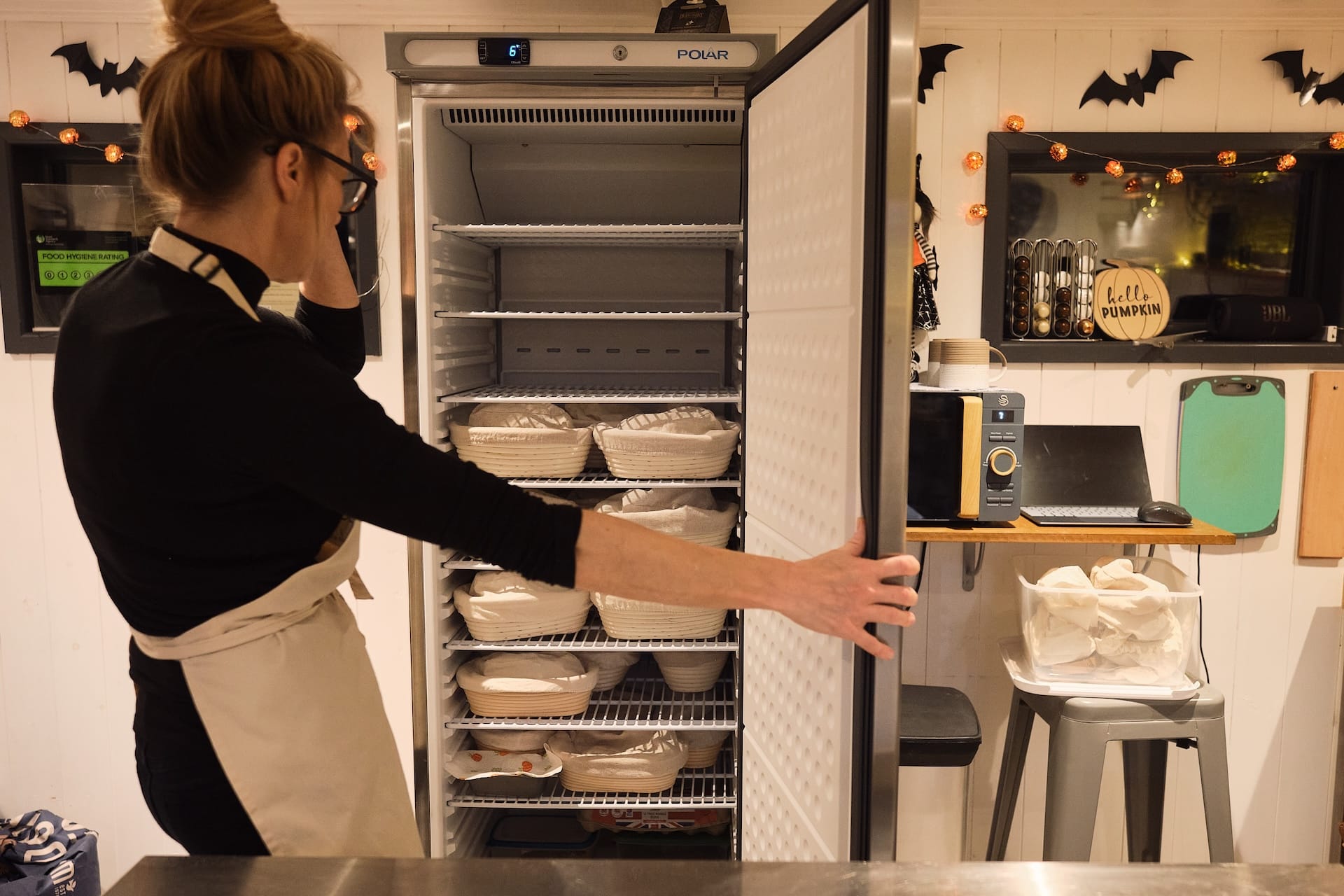
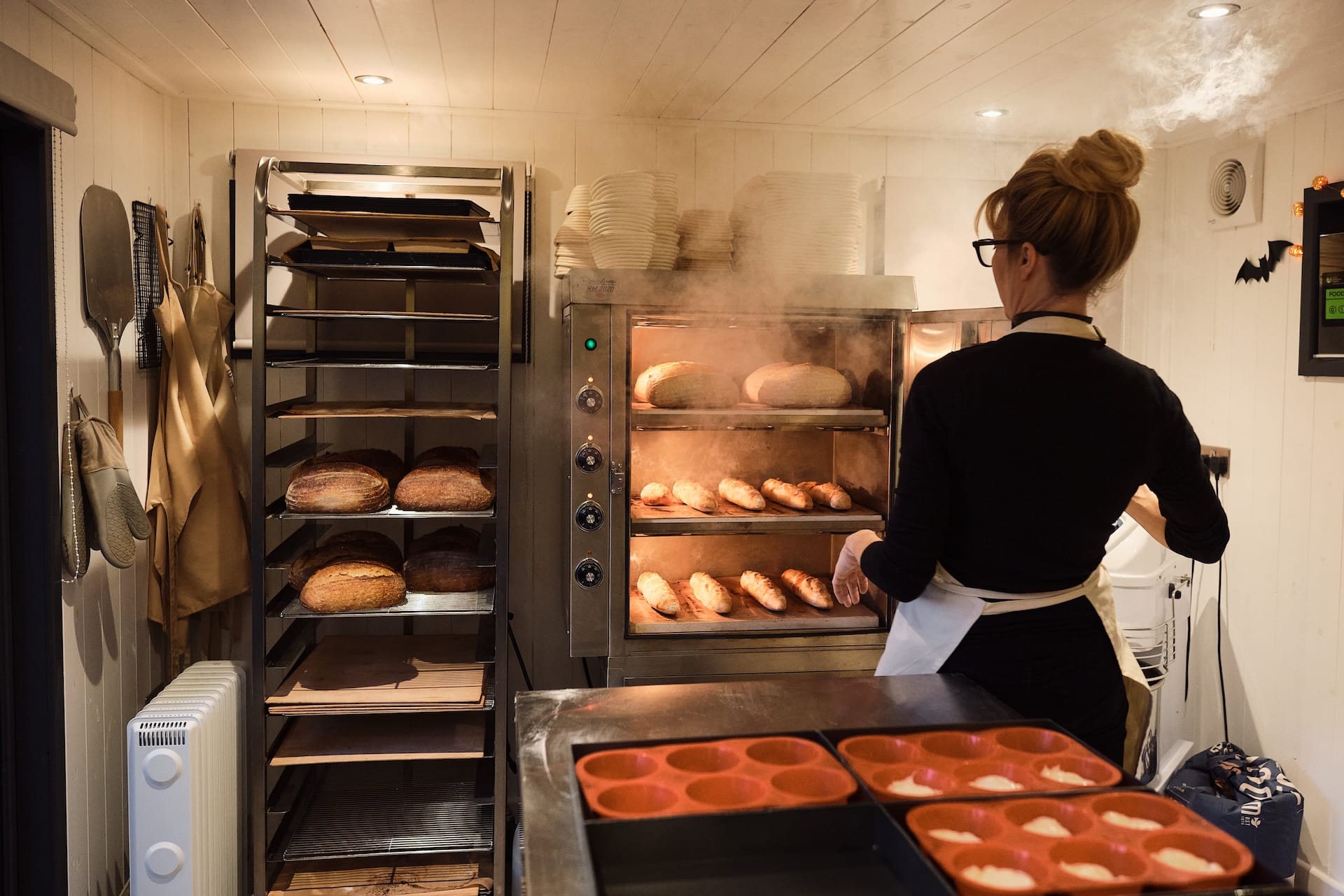
Every detail was considered — from the placement of ovens and proofing racks to the flow between prep, baking, and serving areas.
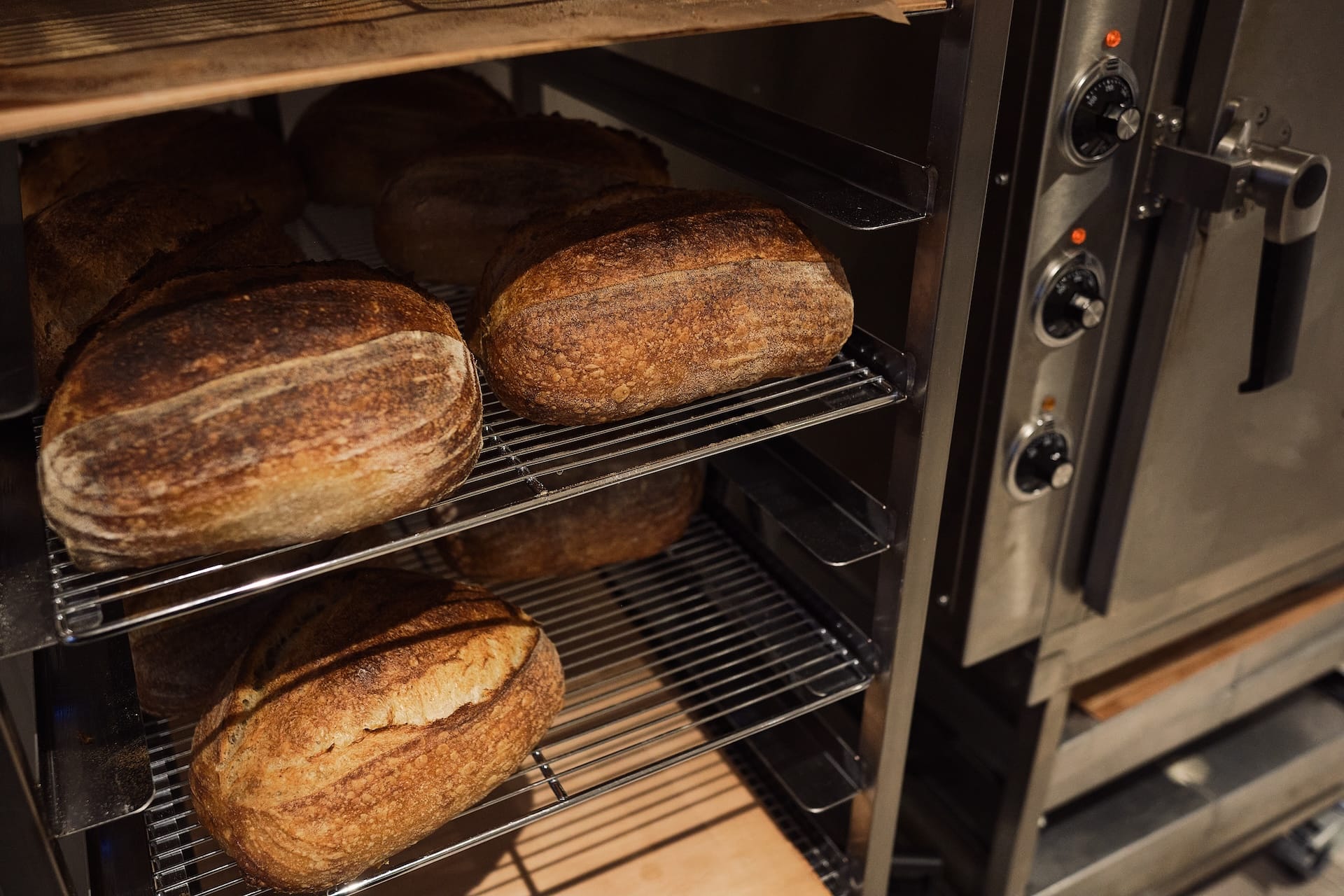
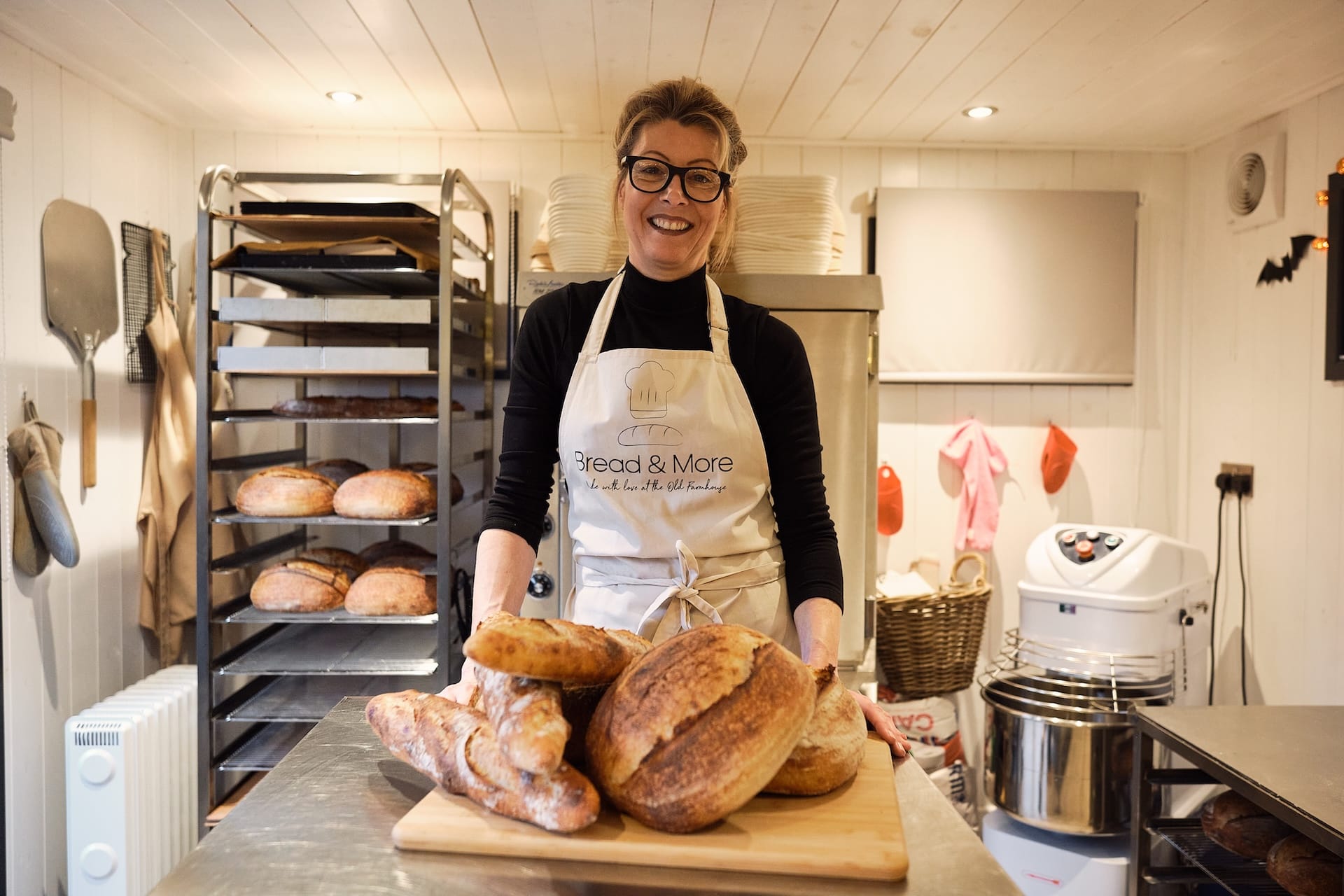
“My oven is my favourite piece of equipment — it’s amazing. I can bake fifteen large loaves at once, and it gives my sourdoughs a perfect crust and texture.”
The oven is a feat of engineering. Crafted by master metal fabricator Campbell Macfarlane, who honed his skills servicing bakery ovens worldwide, the RM2020 is a three-deck stone hearth powerhouse that has revolutionised the micro-bakery world.
Having sampled Vanessa’s sourdough, we can attest to how good it is. There are plenty of varieties to choose from: rye, oat and honey, walnut, fruity cinnamon and even chocolate! Vanessa draws inspiration from social media trends, her customers, and past recipes. She always puts her stamp on things and adapts recipes, so they are as delicious as they are wholesome. She avoids excess sugar or butter, using only what’s needed so the breads are both unctuous and satisfying.
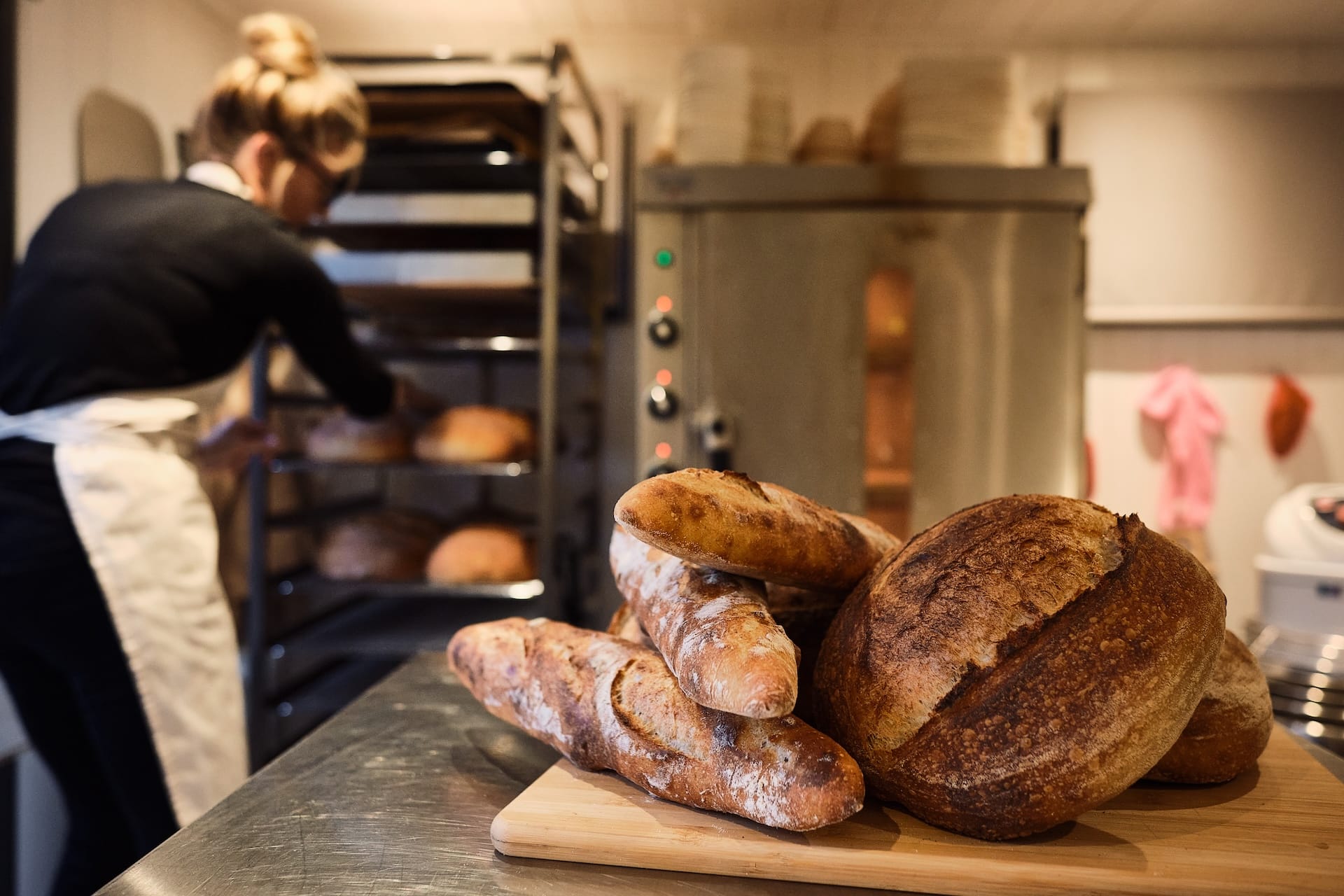
To see the variety of Vanessa’s baked goods and place your orders, find @Breadandmorealton on Facebook or Instagram.
A day in the life of a micro-baker
Until the end of November, Vanessa is working three days a week. During the weekdays, it’s all about posting on social media, taking orders, and estimating ingredients. But by the end of the week, the bakery truly comes to life.
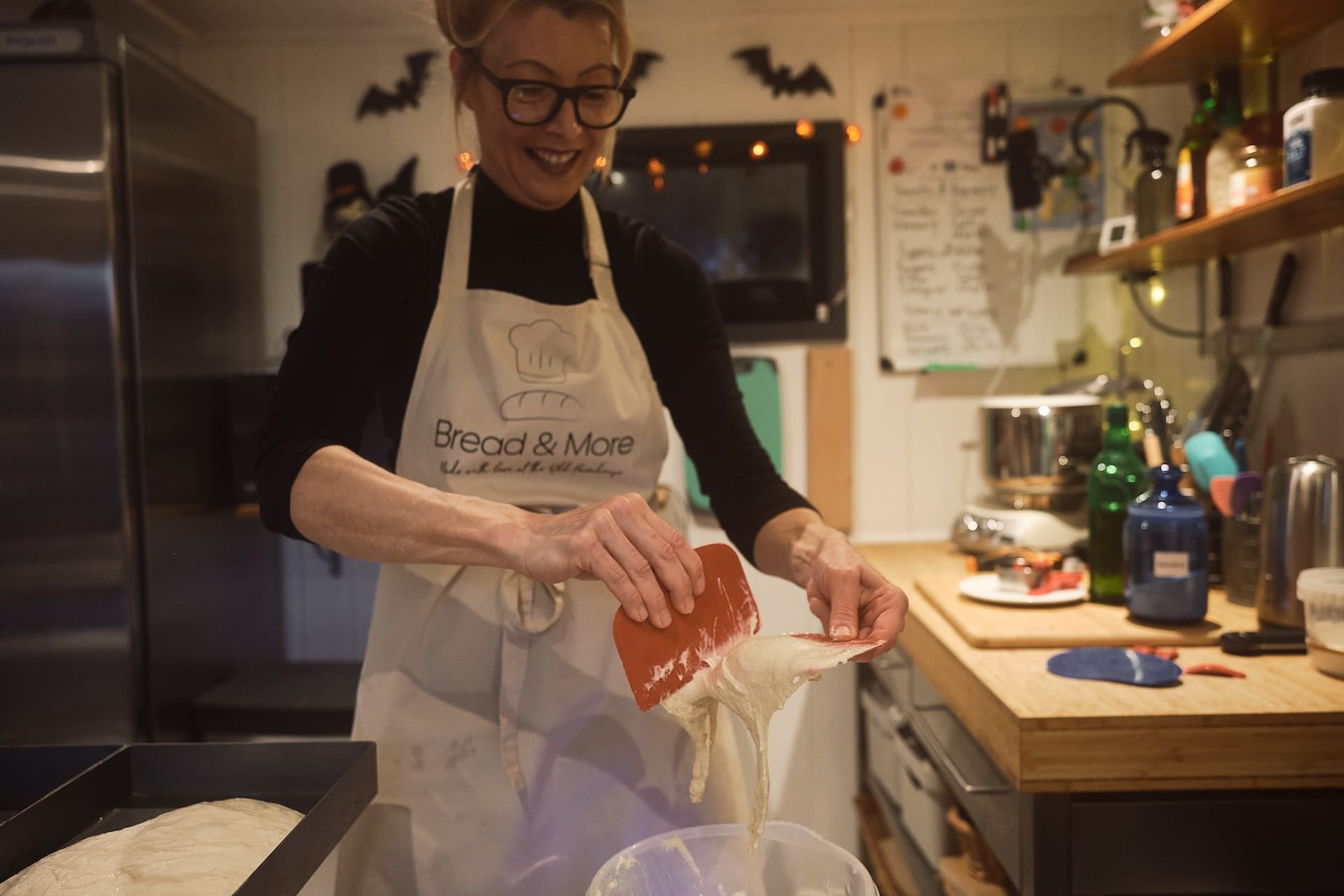
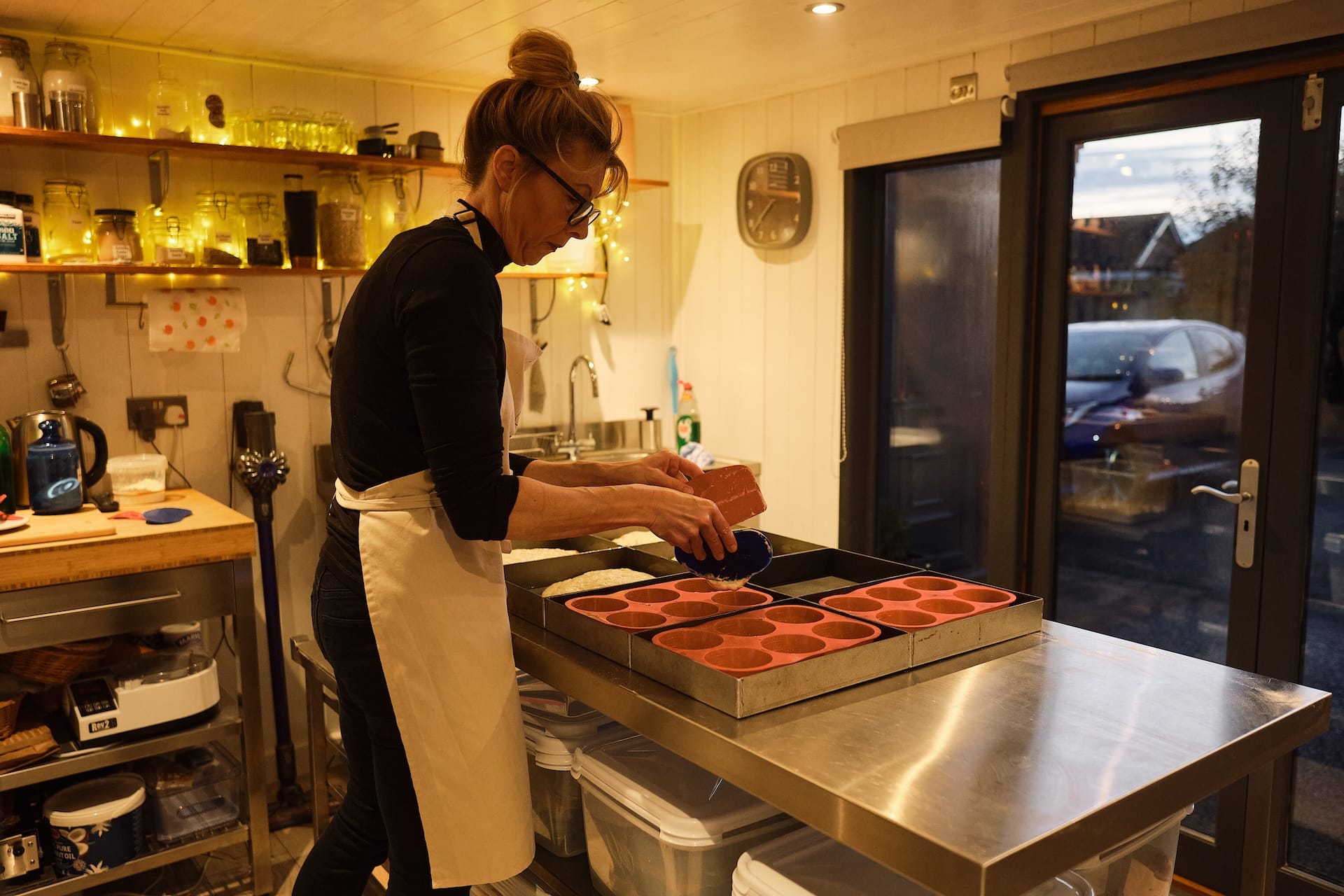
Thursday and Friday are prep days, with Friday being the busiest. “I start at 7 am, mixing my starter so it’s ready by around 12:00. In the morning, I make my chocolate spread, the rye breads, and prepare the brioche dough for the next day.
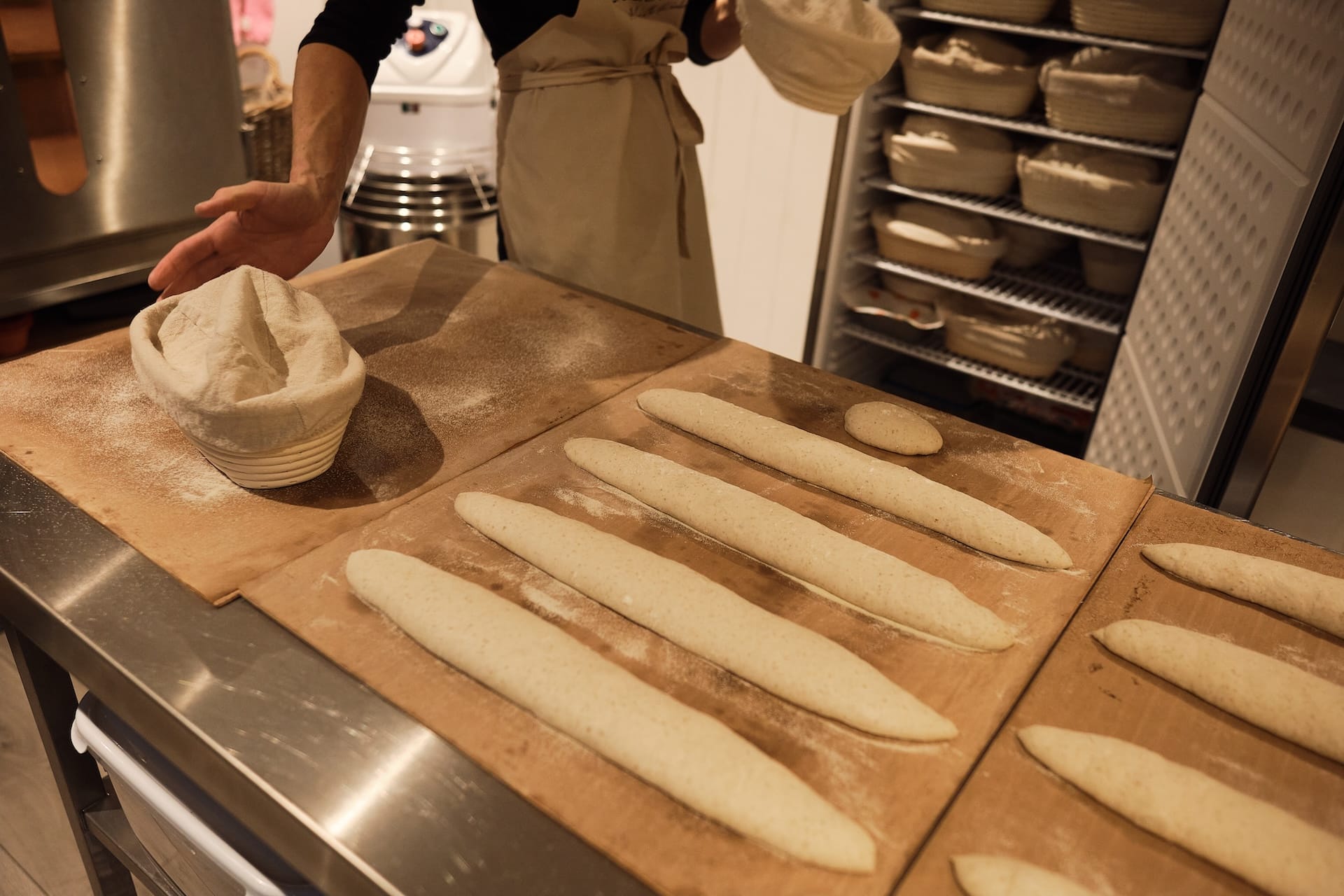
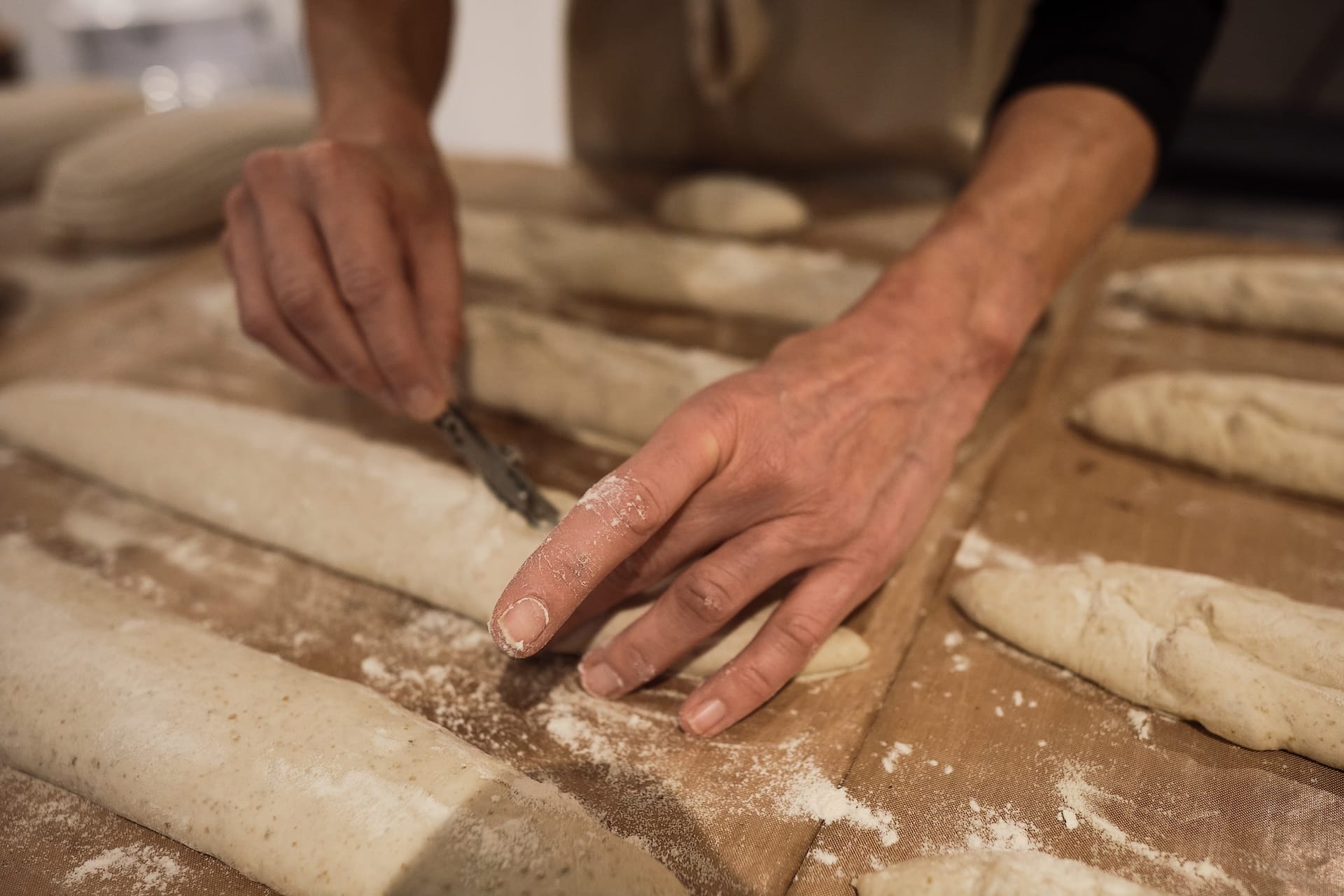
Around lunchtime, I begin the sourdough batches — first mixing, then bulk fermentation with occasional folding, and finally shaping the breads, which go into bannetons for overnight cold fermentation in the fridge. This usually wraps up around 20:30.
After a quick dinner at home, I return to the bakery around 22:00 to mix the focaccia dough, then it’s time for bed ahead of a 4:15 wake-up and a 4:30 start the next morning. Altogether, I handle about 70–80kg of dough and up to 150 items.
The goal is to finish by 12:45, leaving enough time for a quick tidy-up so the bakery is ready for customers to pick up their orders.
The joy of working from a garden bakery
Stepping into the bakery each morning still fills Vanessa with joy. “Every time I walk in, I think we couldn’t have done better. I’d spend all my time in there if I could!”
Angela Scanlon on Virgin Radio keeps Vanessa company as the sun rises on Saturday mornings. “She is half mad and very funny.”
The garden bakery has become more than a workspace — it’s a community hub. “We’ve lived in the village for over ten years but never really got to know people. Now the bakery has changed that completely — it’s opened up a whole new horizon for us.”
Customers are often taken aback by the space. “Everyone who visits is blown away. It’s not what they expect from a home bakery — I get so many compliments on how beautiful it is.”
Advice for aspiring micro-bakers
For anyone dreaming of starting their own garden bakery, Vanessa offers this advice:
Planning is everything. Think carefully about where to place doors, windows, electrics, and equipment — imagine yourself working in the space before it’s built. Once it’s right, go for it. You won’t regret it!
Ready to start your own garden room business?
A well-designed garden building can be the perfect place to turn a passion into a profession. Explore our range of garden rooms and studios designed for home-based businesses and discover how you could make your space work for you.